
Let me recommend a few excellent products and techniques to get you started.
I use various cleaning techniques, some of which I’ve developed specifically for use on hi-fi equipment and electronics. Whilst I’m not giving away all of my secrets, before you scream, “Mike, I want it ALL”, there’s a ton of useful info here. Find me another specialist who’s written a 1000-word article specifically to help readers!
Exterior
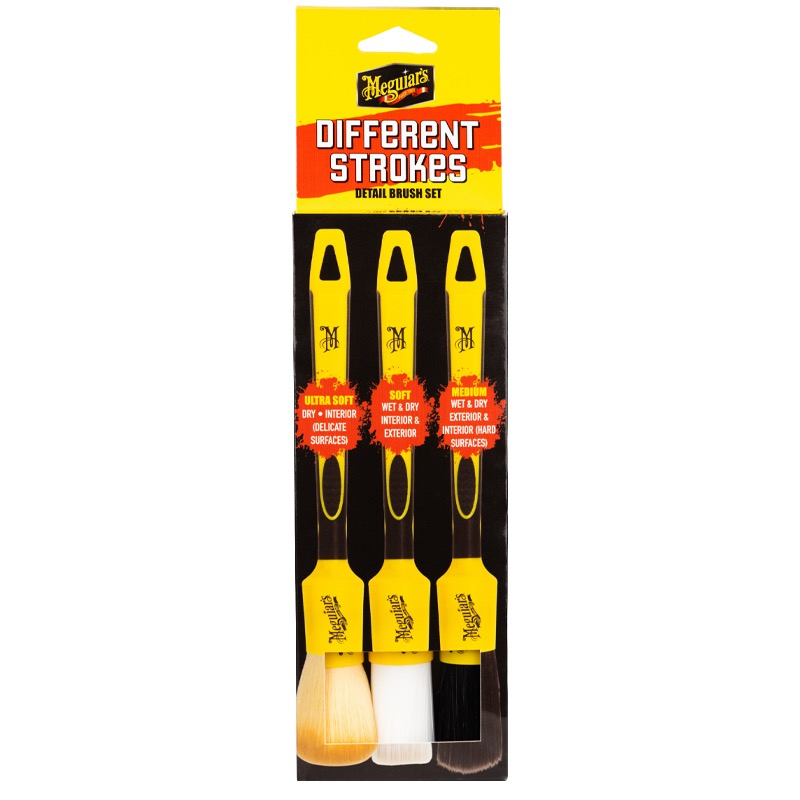
For most metallic, plastic and composite exteriors, I recommend starting by carefully dusting the surfaces to be cleaned with an ultrasoft detailing brush, or similar. Then, using a microfibre cloth, a mild detergent/water solution can be gently applied to surfaces that need cleaning.
Be careful with older gear, as logos and other markings are sometimes printed with ink that becomes fragile with time. Solvents other than water, and occasionally even just water, can remove fragile ink and decals typically applied to glass, so test a small inconspicuous area first.
Wooden exteriors can be cleaned with a soft cloth, wood soap, and then finished with furniture-grade oil or wax. I use fine furniture oil and quality beeswax for most wooden finishes. These work very well to bring out the grain and lustre of the wood, whilst also minimising imperfections and nourishing it.

Knobs can be removed and soaked in a mild detergent/water solution and then finished with a toothbrush and fresh water. Be sure to use the correct-sized flat-blade screwdriver or hex key to loosen any grub screws, where present. I’ve lost track of how often I’ve found these damaged when they should never be.
Plastic lenses can be dusted and cleaned with mild detergent/water and microfibre cloth. A little high-grade plastic or automotive polish with microfibre cloth can be used where lenses and bezels are dull and/or scratched. Again, avoid polishing printed surfaces as these may be degraded by this process. Be careful not to polish matt or satin finishes or they will end up glossy.
Be very careful with turntables, too, as turntables and cleaning cloths don’t mix well. Soft-bristled detailing brushes work well in sensitive areas, but as always, each case is different, and care must be exercised when cleaning anything, especially tonearms, cartridges, etc.
Interior
Interior cleaning requires more care and should not progress beyond light dusting for most. There are electronic and mechanical parts to consider, and one must be very careful not to damage anything through the cleaning process. It is always better to err on the side of caution and not clean something than risk damaging it.
High-velocity air works well as an initial duster, combined with a very soft-bristled paint brush, but must be used judiciously. Care must be taken with raised components in order not to damage them.
Isopropyl alcohol and cotton buds or Q-tips work well to spot clean dirty components and boards. An old toothbrush is also a useful tool for cleaning boards, again with a little isopropyl alcohol.
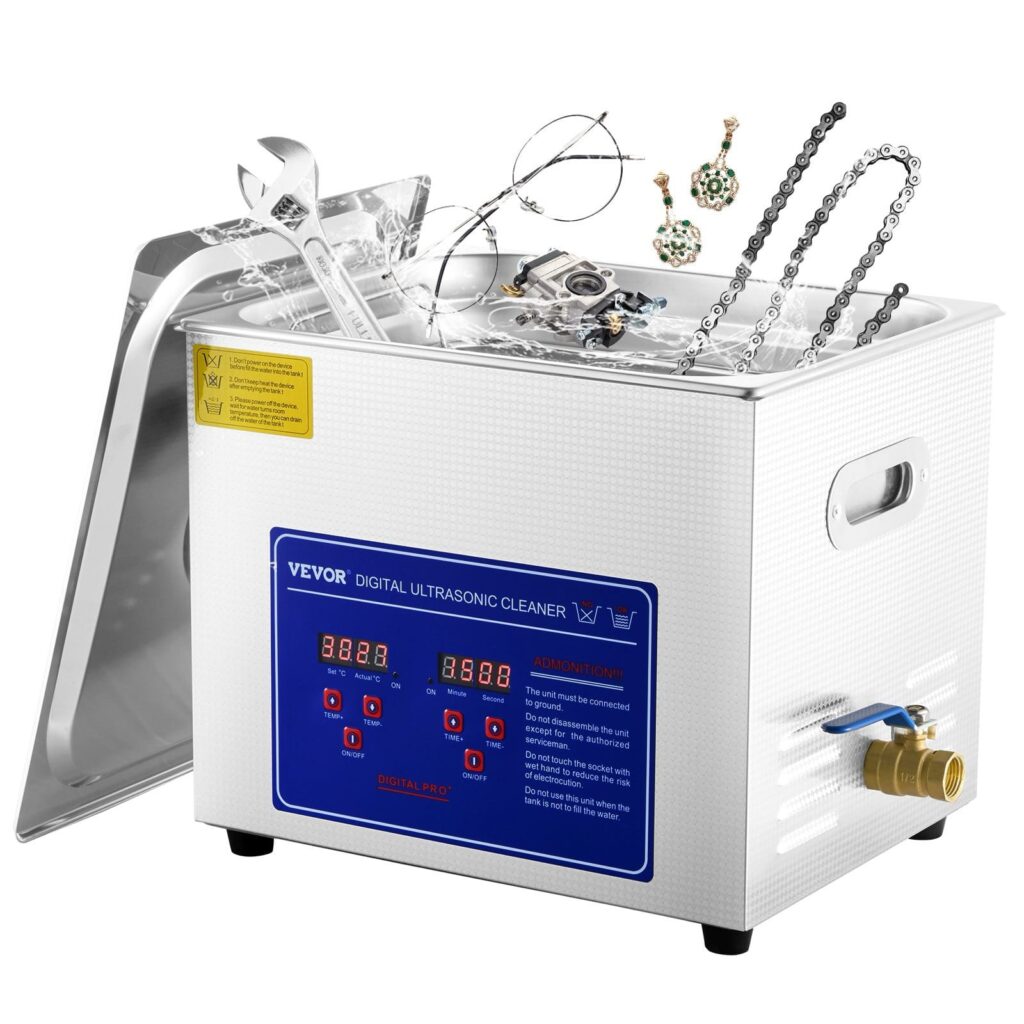
Beyond this, I recommend deeper cleaning methods including ultrasonic and mild solvent cleaning, and deep chassis washing, both of which should only be carried out by someone familiar with these methods. Water-based solvent cleaning should be avoided unless the techniques are well-understood.
Avoid WD-40 and similar penetrants as they don’t clean electronics and leave oily residues that attract dust and dirt. This is especially problematic around high-impedance circuits like preamps, RF sections in tuners, phono stages, switches and relays. If in doubt, again, don’t touch it.
Technical Deep Cleaning
Beyond these methods, equipment may need what I call technical deep cleaning. Technical deep cleaning is a frequently overlooked and, to be frank, poorly understood aspect of maintenance.
I’ve developed deep cleaning processes and procedures specifically to suit circuit boards, high-impedance circuits, switches and potentiometers, chassis parts, fascias and more. Some I’ve adapted from laboratory test and measurement, and optical equipment cleaning procedures. Others I’ve created from scratch to suit the equipment I work on.
Technical deep cleaning typically involves specialist cleaning agents such as foams and liquids, tools, cleaning media, high-pressure air, ultrasonic cleaning, a drying oven, disassembly and removal of sensitive parts, etc., applicable to the case/equipment in question.
These techniques can be very effective, but must be used exactly as designed, or problems may arise, damage may be caused, etc. I’ve not written guides or instructions, nor do I plan to. For these and other reasons, whilst I’m often asked for details, step-by-step instructions, shopping lists, etc., we don’t provide this or other technical information.
Discover more from LiQUiD AUDiO
Subscribe to get the latest posts sent to your email.