
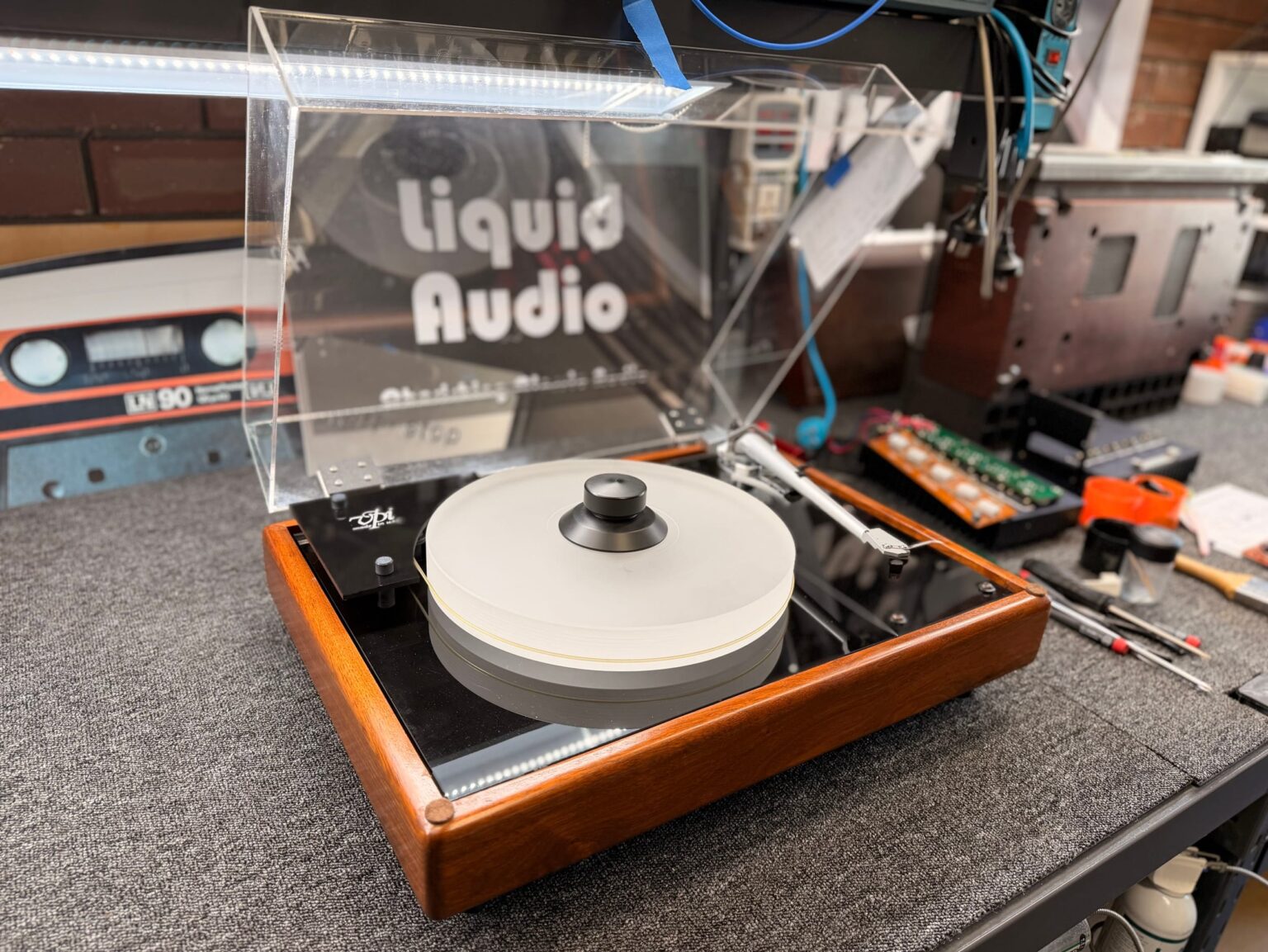
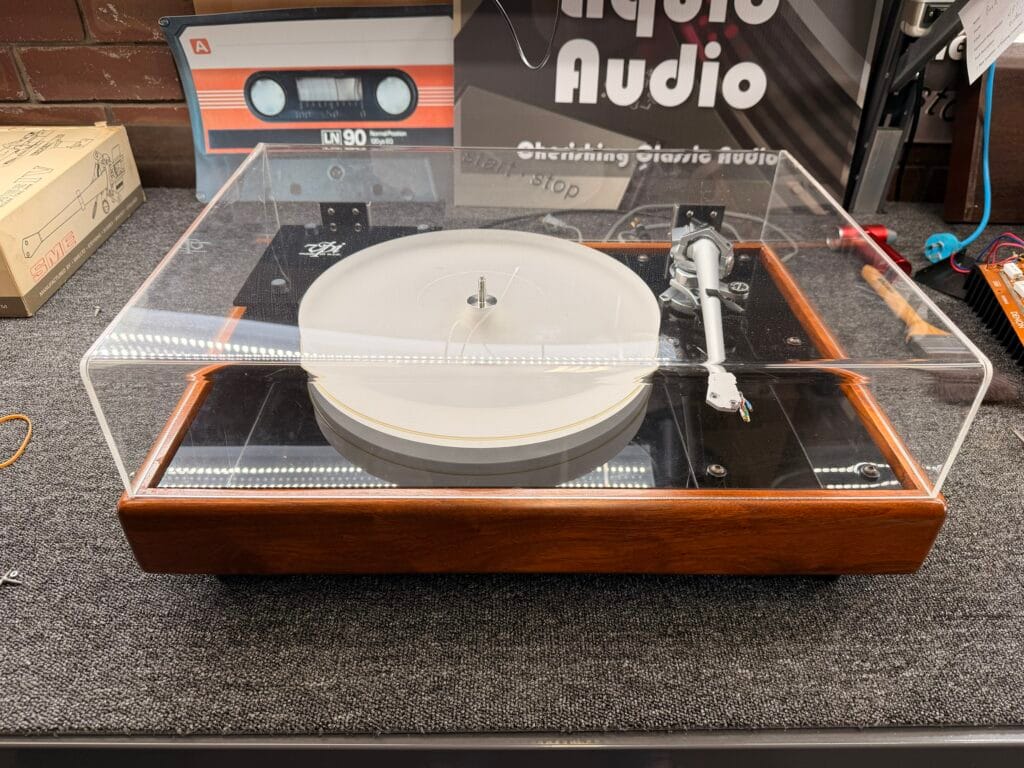
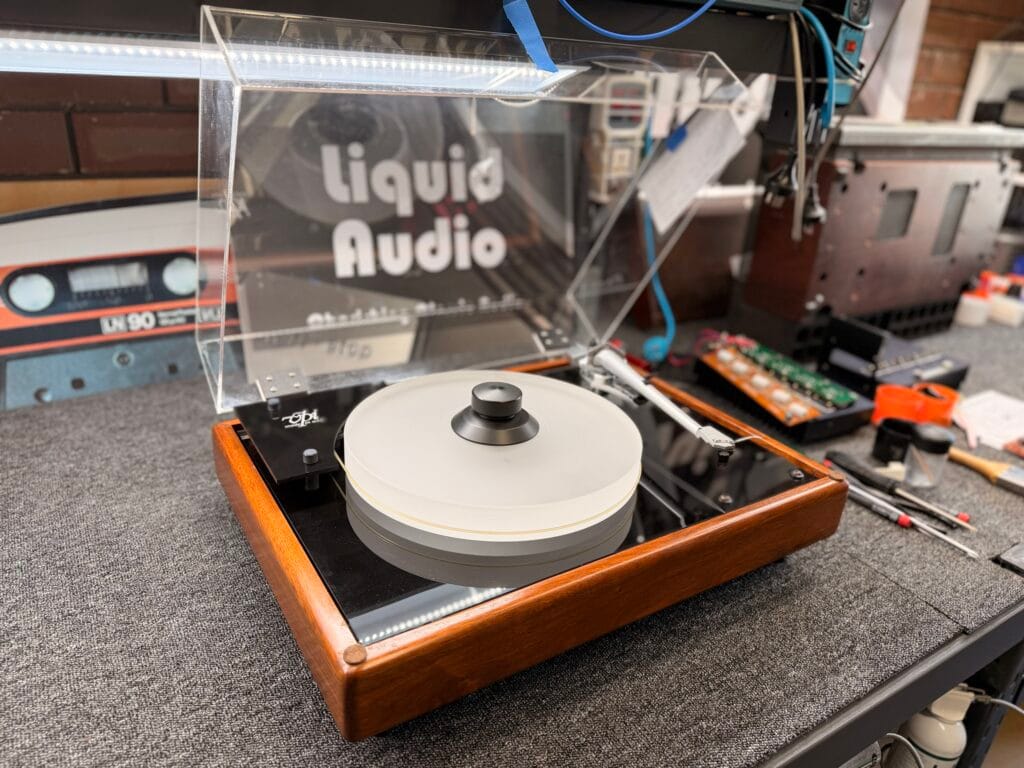
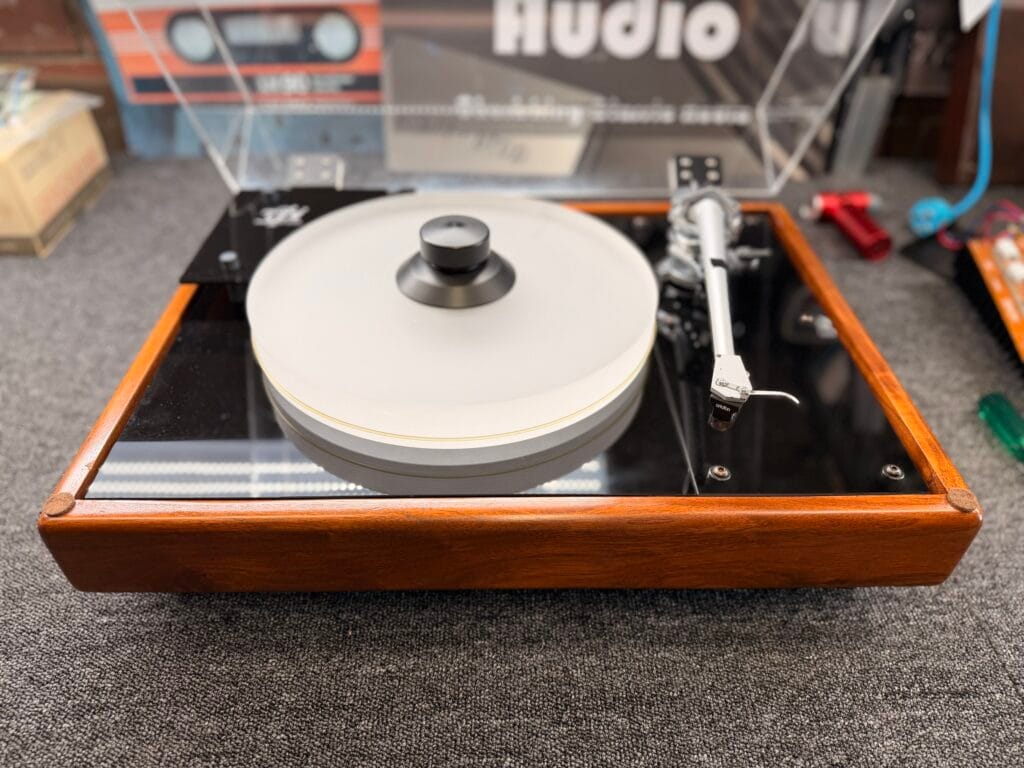
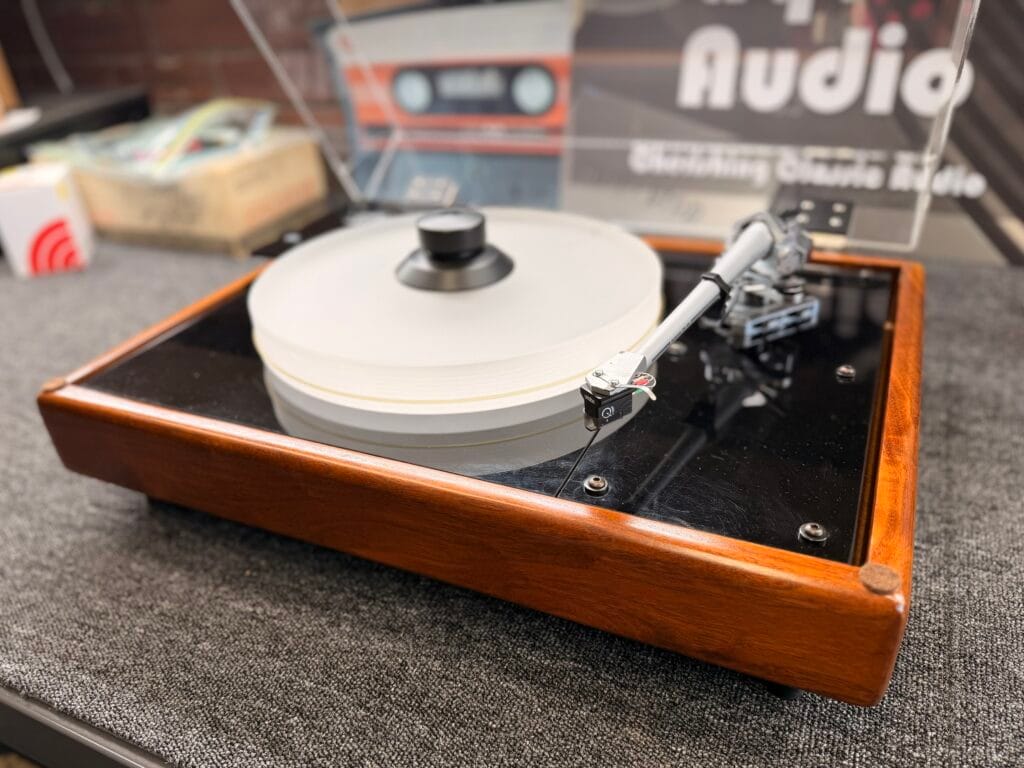
Join me as I repair and service this lovely VPI HW-19 Mark 3 belt drive turntable with SME IV tonearm!
Welcome back to a shorter article today about this VPI HW-19 Mark 3 / SME IV tonearm combo. I promised the owner I would write this one up, and as it’s only from December 2025, it’s still fairly fresh in my mind. The destroyed receiver article is coming, BTW. We are just waiting for the resolution to come on that one.
Background
I’d had several consultations with a long-term customer of mine about building a serious vinyl system, and he has gone through various iterations of equipment on that journey. Sometime in December 2025, he contacted me to ask if I could “set up” his new turntable, and of course, how could I refuse! Little did we know that this turntable needed far more than just a setup!
Whilst the VPI HW-19 belt drive turntable isn’t necessarily something I’d recommend as an ultimate choice, it is still a good turntable and one I’d rather own than a Linn LP-12, Sota or many of the Aristons, for example. You can read more about the VPI HW-19 in this excellent Stereophile review.
My customer had experienced difficulties locating the sorts of decks I’d recommended within Australia, and so when this one came up, with a killer SME IV tonearm, definitely one of my favourites, and at a price he felt he couldn’t refuse (yes, it was cheap, very cheap), he decided to bite the bullet.
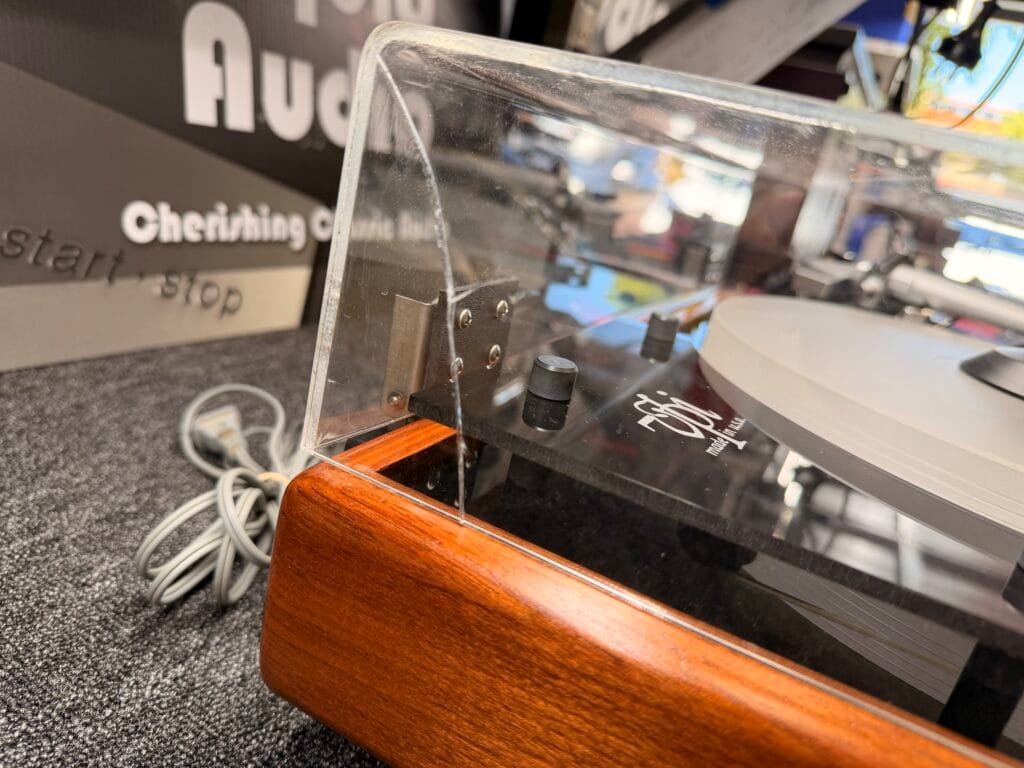
The problem is that very few people know how to pack and ship turntables, and they simply shouldn’t try. Sadly, this VPI HW-19 Mark 3 is the perfect example of that. It had been inadequately packed and probably roughly handled during shipping, with the inevitable result: damaged/smashed parts.
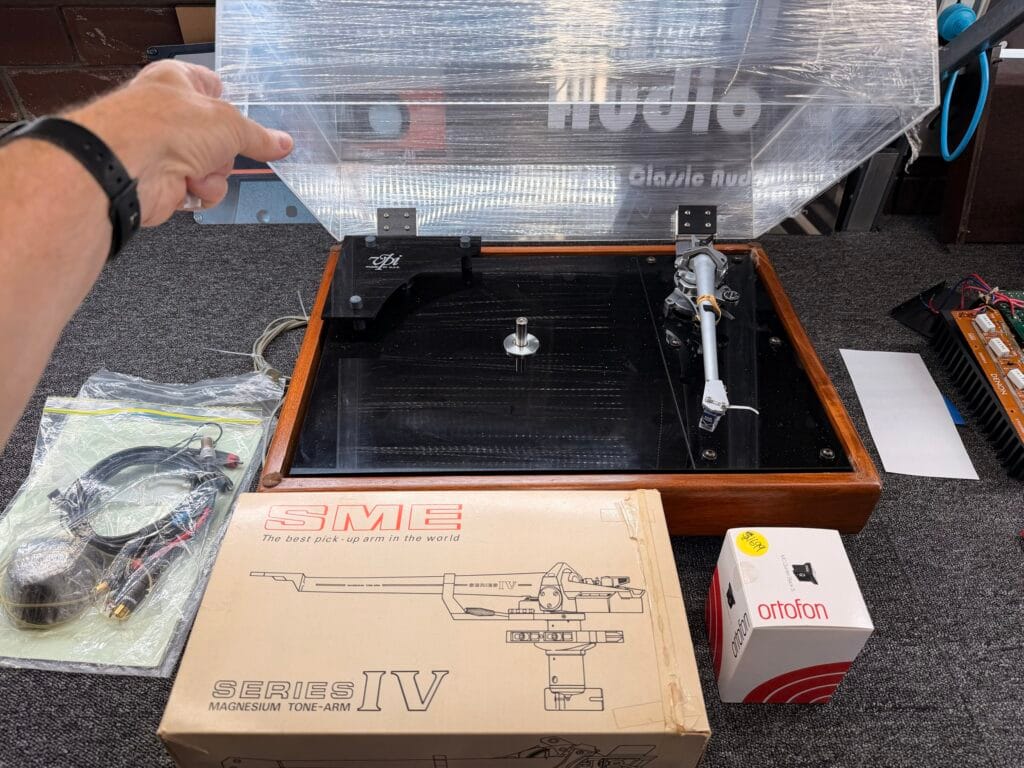
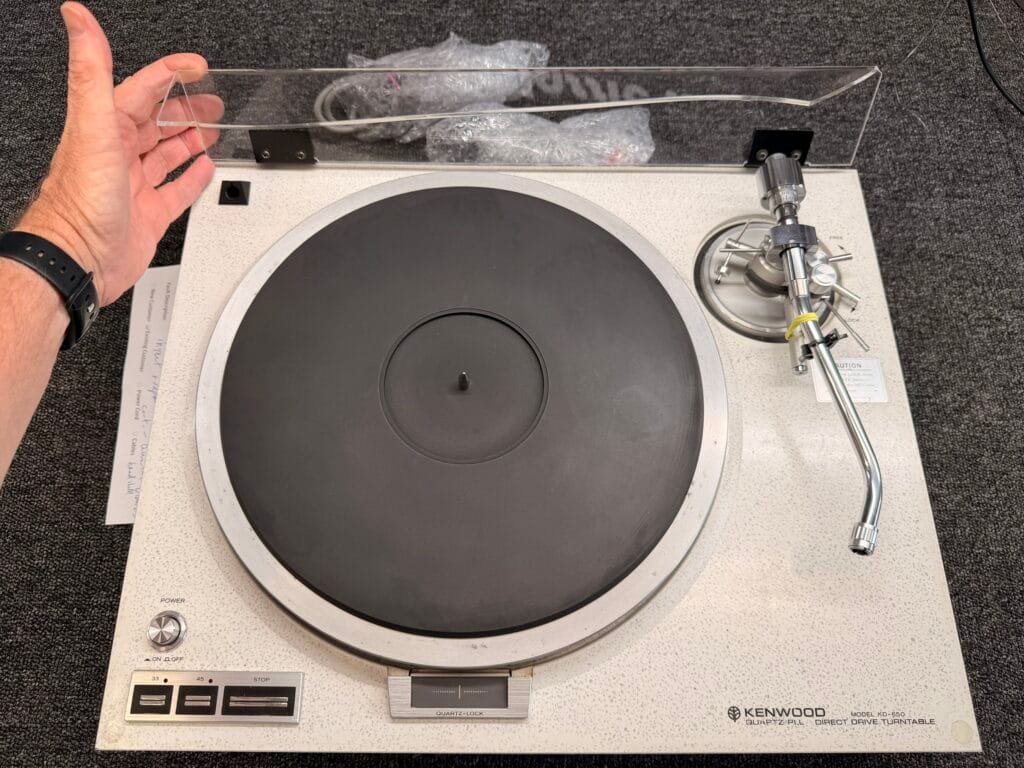
This is an all too common scenario. The lovely Kenwood KD-650 below was recently delivered here with a smashed lid by her rather upset new owner. The reason? Poor packing and shipping. I’ll repair this one, too, but the point is that none of this damage needs to happen.
Avoiding this damage costs money, but it’s money well spent. Avoiding the damage is also usually much cheaper than fixing it, if it can be fixed. Never forget this point, because I’ve lost track of how many times people have tried to cheap out on shipping or get me to do it, rather than just paying for it to be done properly. It’s such a problem that I no longer even entertain such discussions. If it’s not professionally packed and shipped, I won’t deal with it.
VPI HW-19 Mark 3 Specifications
Courtesy of Google, adapted by Liquid Mike
- Drive System: Belt-drive with a precision O-ring drive ‘belt’
- Platter: 1½-inch/38mm thick, 20 lb/9kg, lead-filled black acrylic platter
- Suspension: Four-point suspension with damped subchassis
- Motor: High-torque AC synchronous motor
- Speeds: 33 and 45 RPM (manual adjustment)
- Wow & Flutter: 0.04%
- Speed Accuracy: 0.01%
- Dimensions: 21.25″ W x 17.5″ D x 7.25″ H / 540 mm W x 444 mm D x 184 mm H
Upgrades (vs Mk II/Jr):
- Platter Material: Upgraded to acrylic, which provides better impedance matching with vinyl for vibration damping
- Bearing: Utilizes an improved bearing, similar to the VPI TNT
- Chassis: Improved damping and structural rigidity for lower noise floor
SME IV Specifications
Courtesy of Vinyl Engine, adapted by Liquid Mike
- Effective length: 233.15mm
- Mounting distance: 215.35mm
- Cartridge fixing centres: 12.70mm
- Offset angle: 23.635mm
- Linear offset: 93.47mm
- Overhang: 17.80mm
- Effective mass: 10/11g
- Cartridge weight range: 5 to 16g
- Tracking force: 0 to 3g
- Weight: 700g
- RRP: No longer available, but about $7k – 10k AUD, NOS and maybe $5k AUD for a good used one
Problems
I opened the box and unwrapped most of the contents with the customer present, and so I was able to point out the issues as I found them. This allowed the customer to view first-hand what we were dealing with and to have an idea of what might be needed to rectify them. These issues included:
- The smashed lid, cracked in various places
- A sadly deformed tonearm rest, probably pre-existing
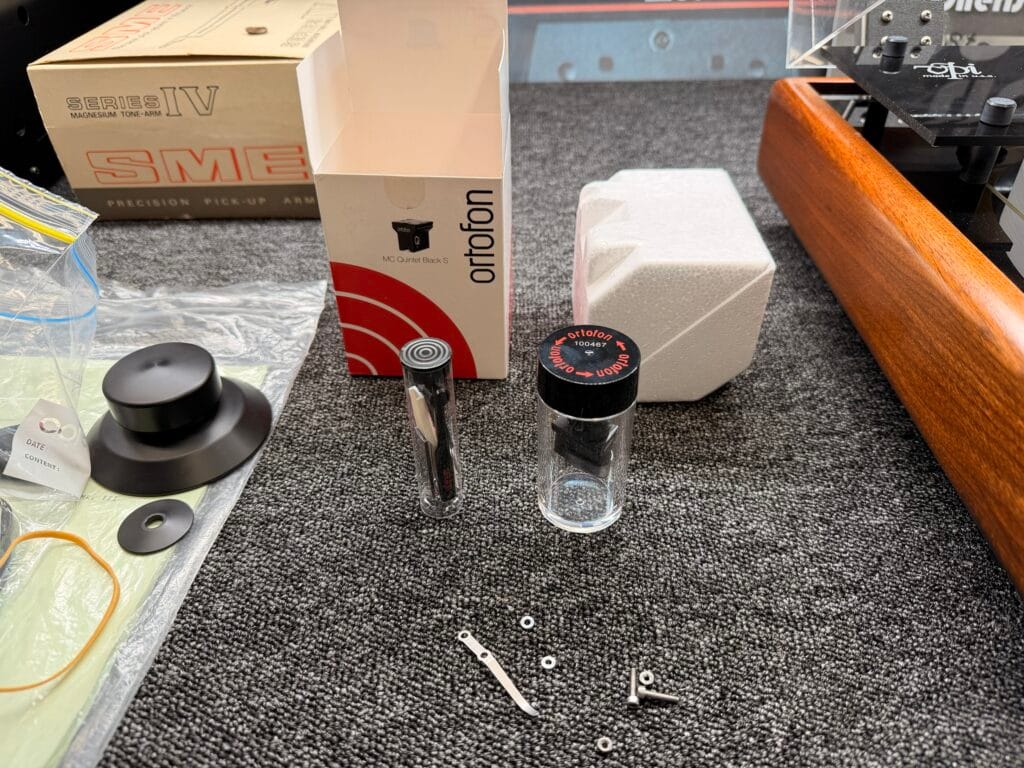
- Needed a new cartridge, recommended, supplied and fitted by me
- Needed a full service and some chassis work
- A damaged thrust bearing and some poorly installed upgrades
- A broken tonearm cable – I was able to supply and fit a replacement
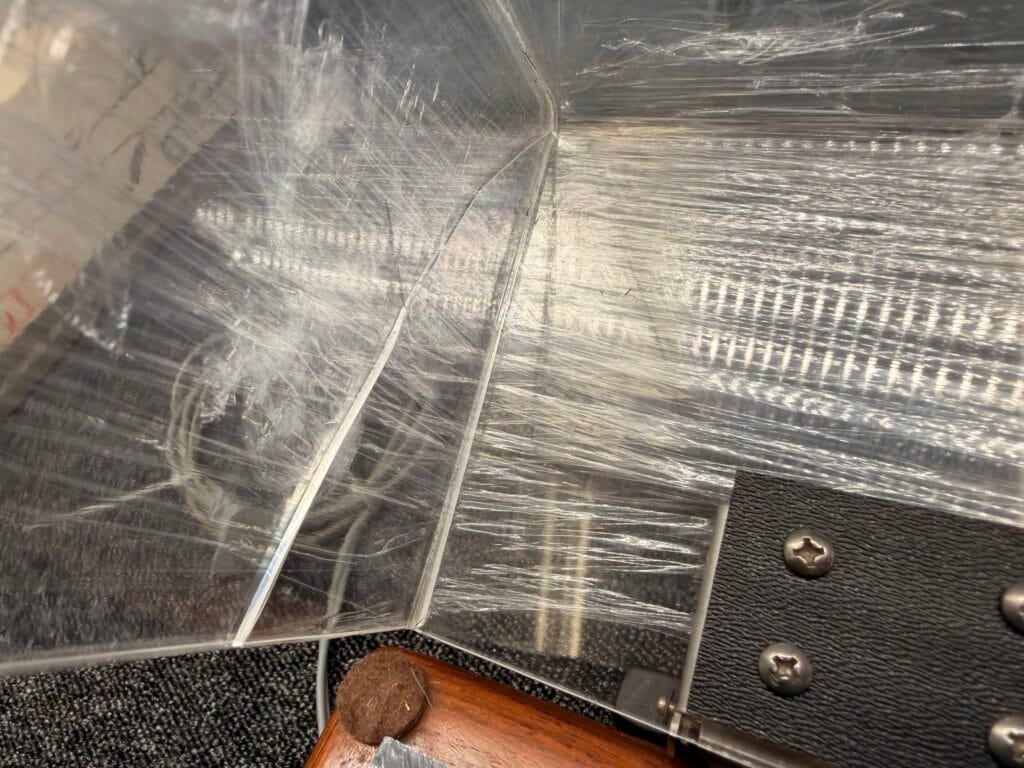
So, as you can see, this was a significantly involved job, much more so than the owner or I originally imagined. This is the perfect example of why we must always inspect equipment before offering an estimate. I couldn’t have known what would be needed here without carefully inspecting the turntable.
VPI HW-19 Video
As I often do, I’ve made an accompanying video which also shows a little more of the lid repair process:
Repair
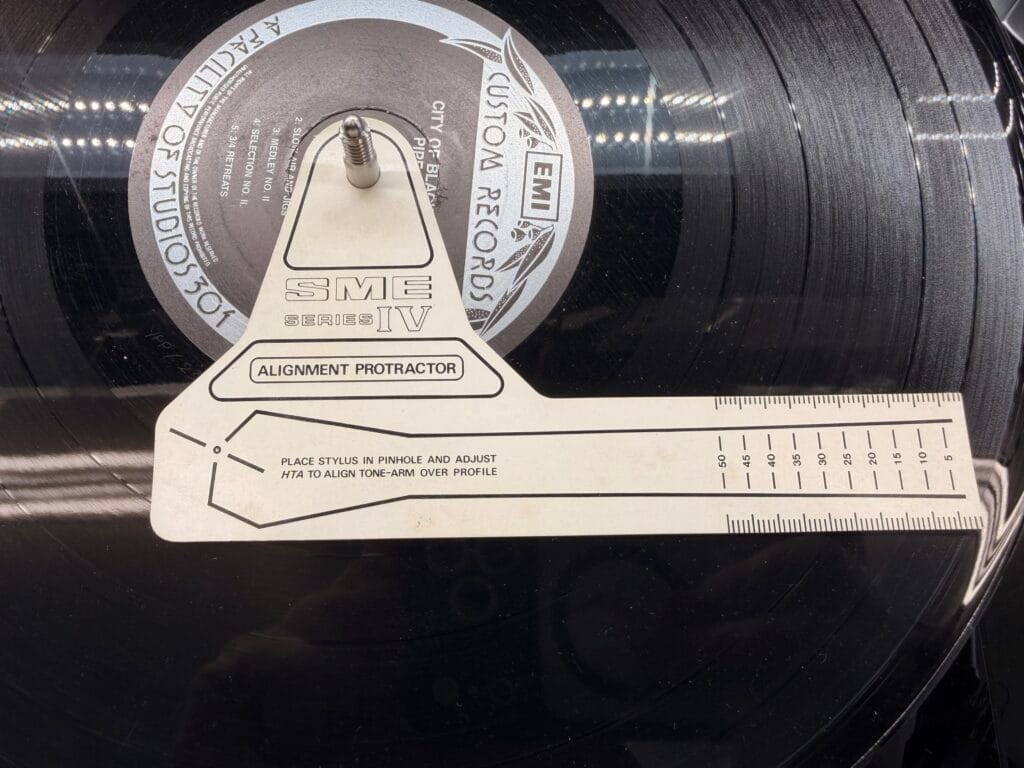
Let’s get started with the repair and recommissioning of this lovely VPI HW-19 Mark 3.
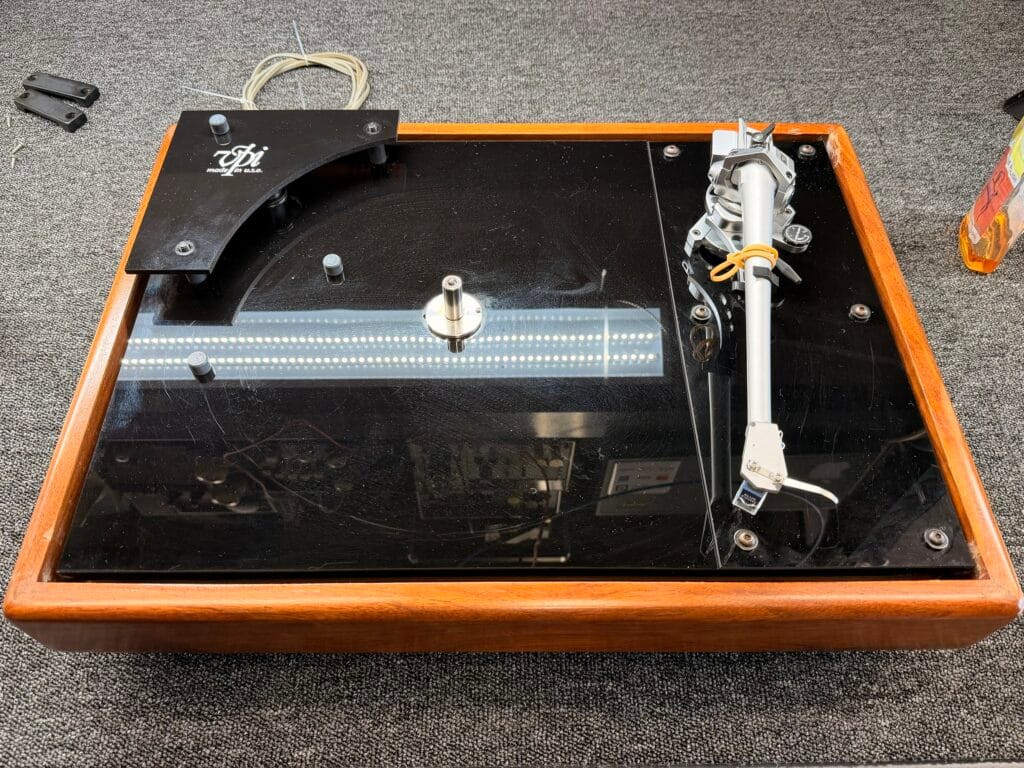
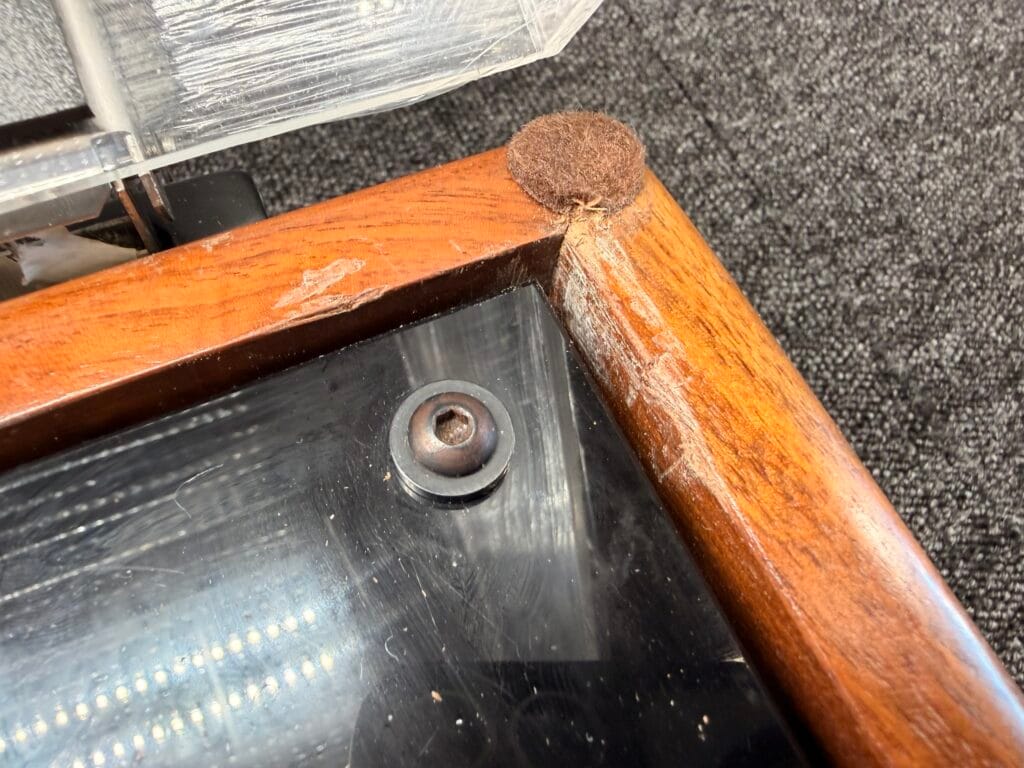
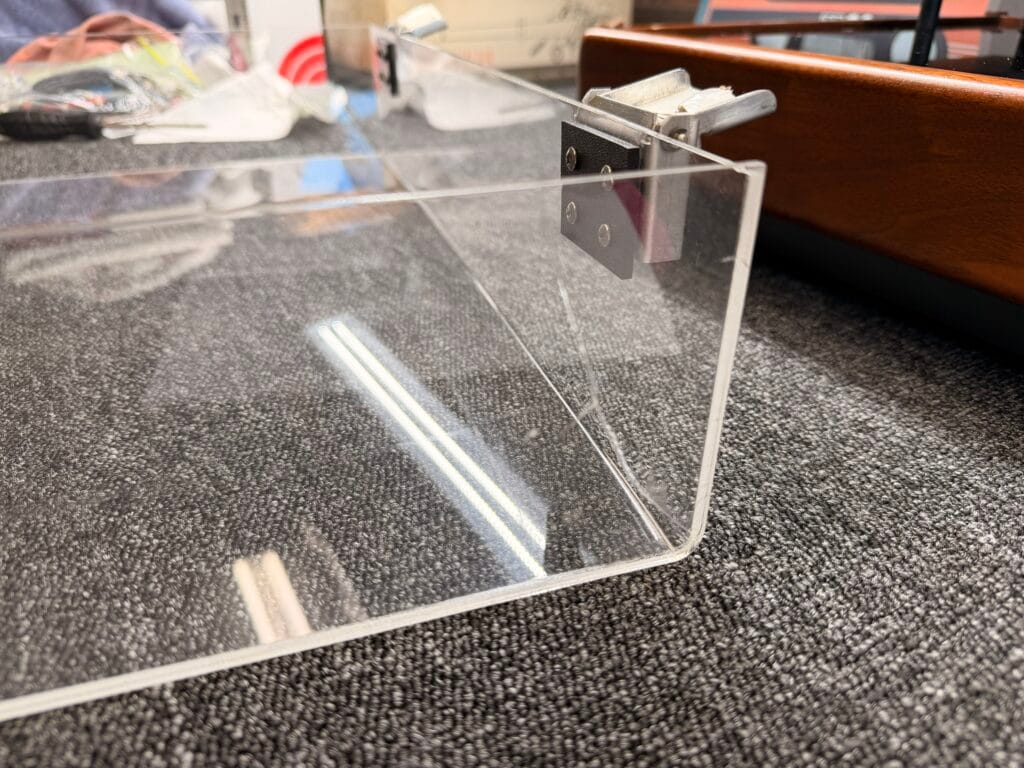
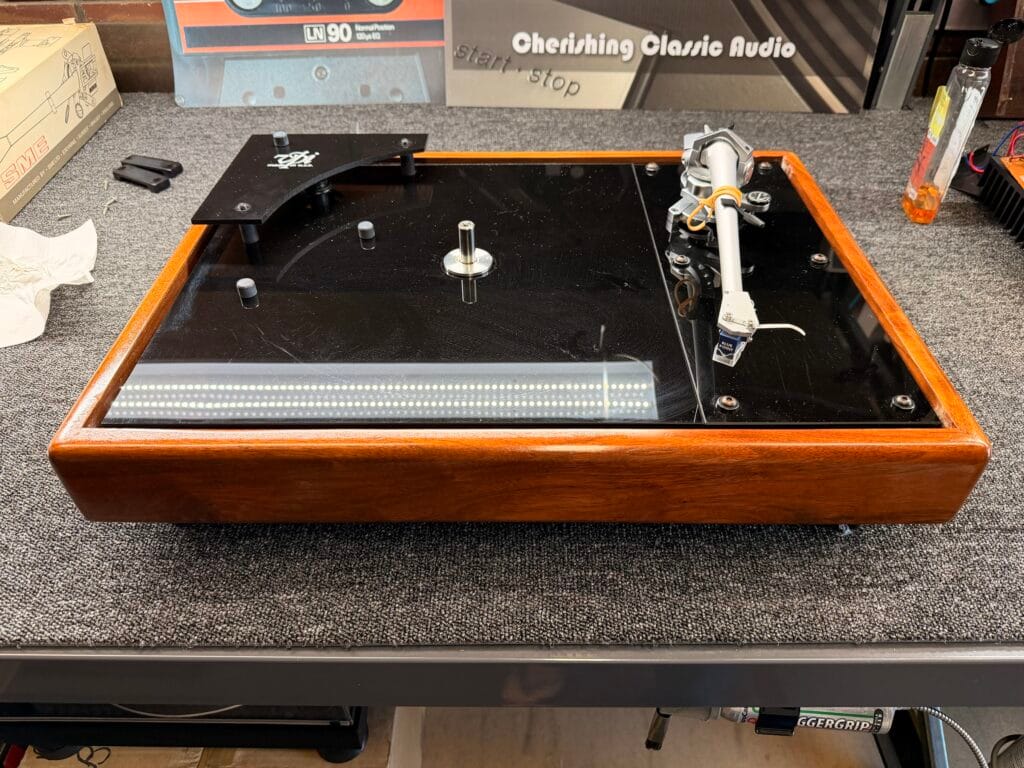
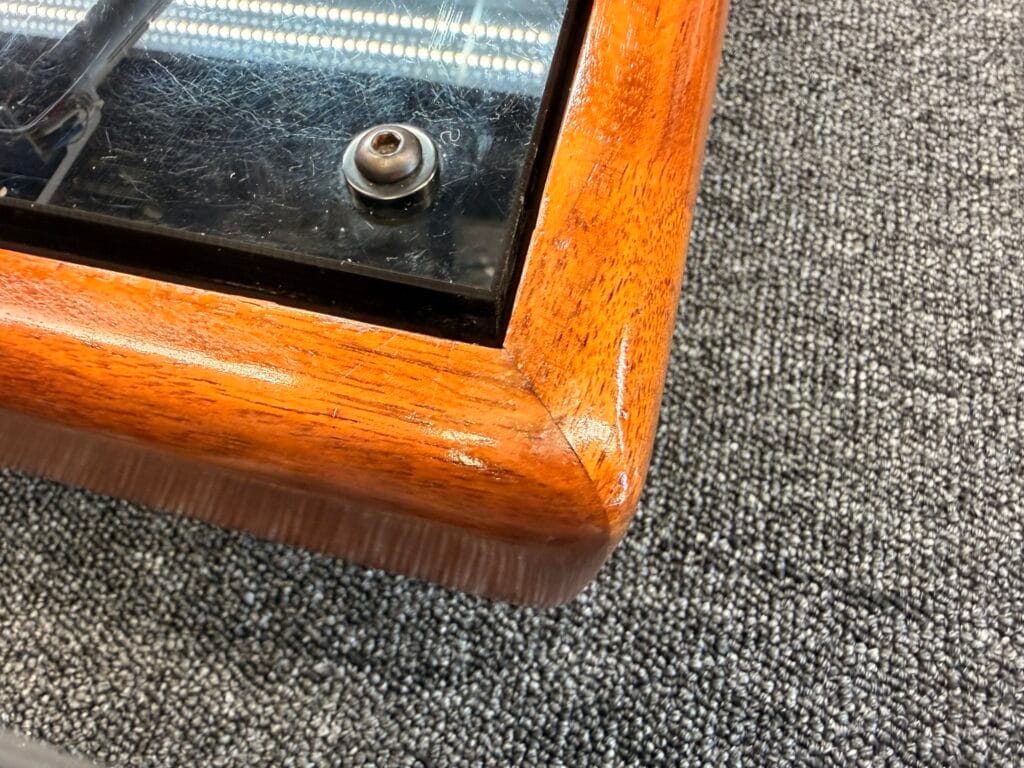
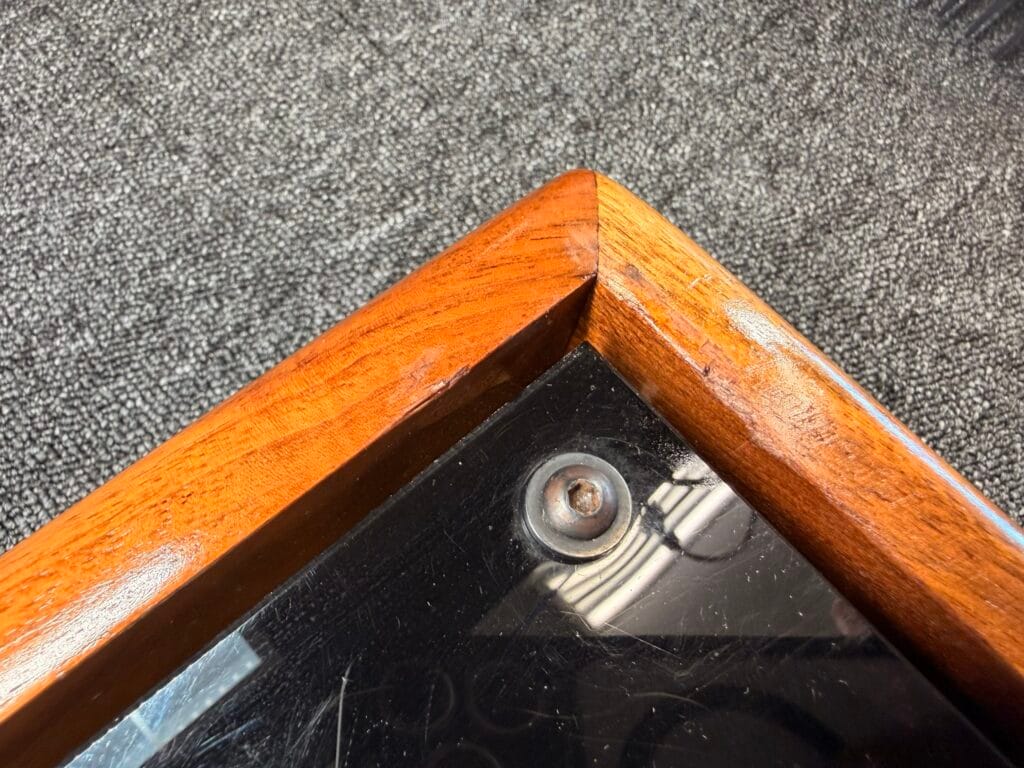
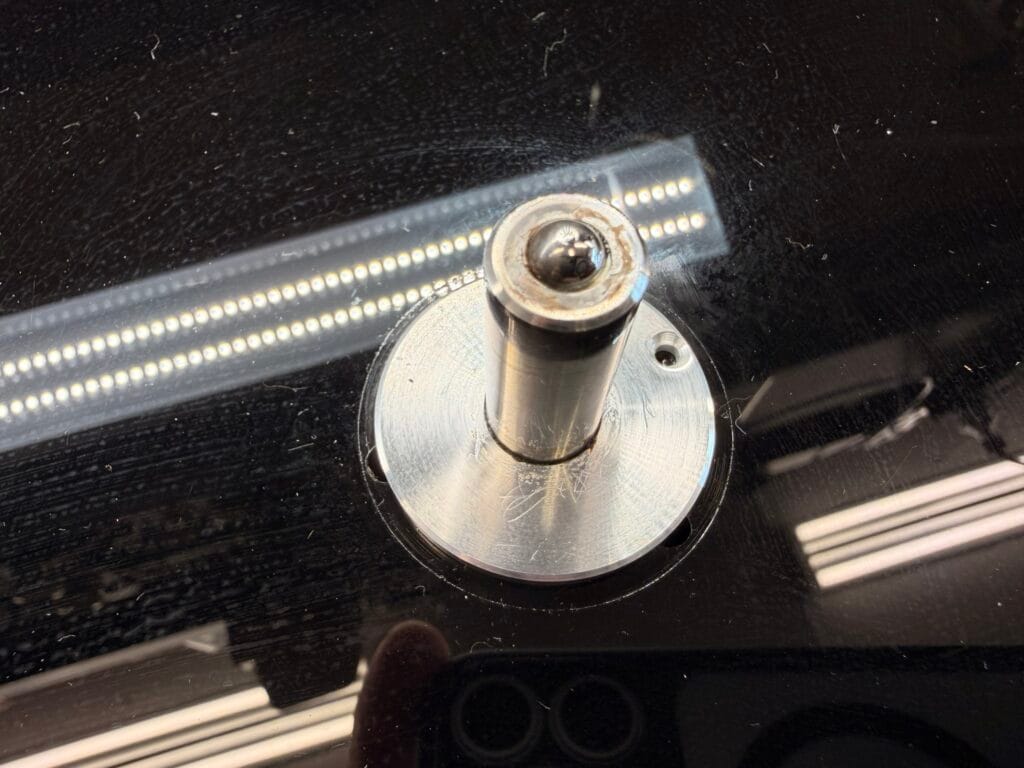
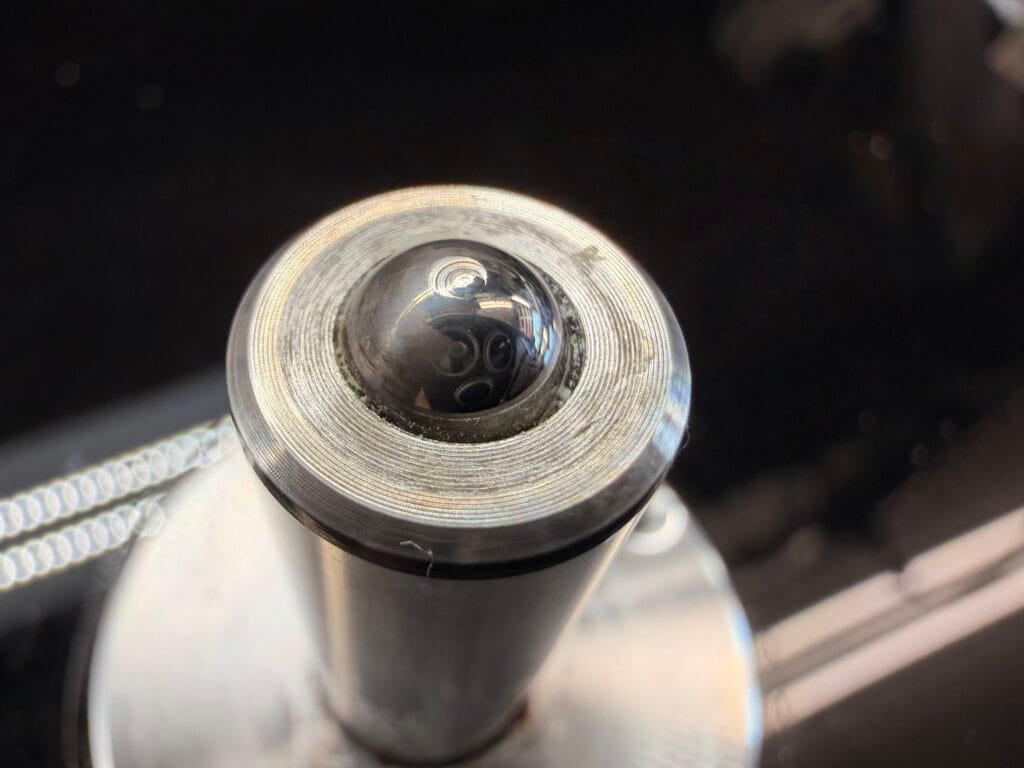
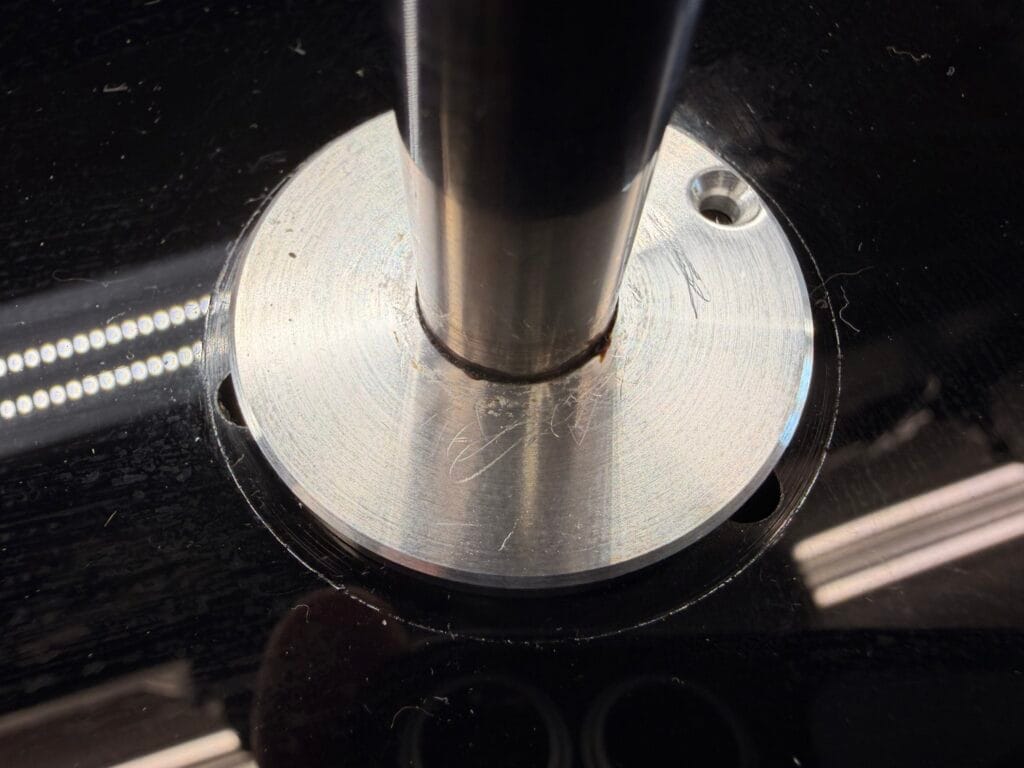
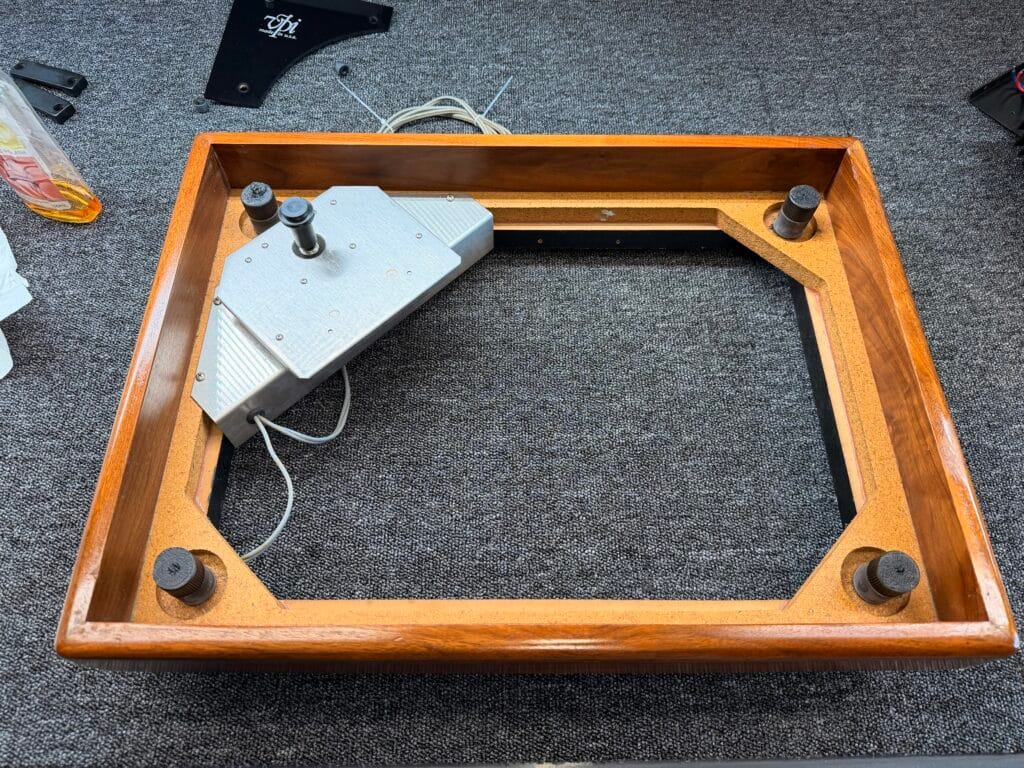
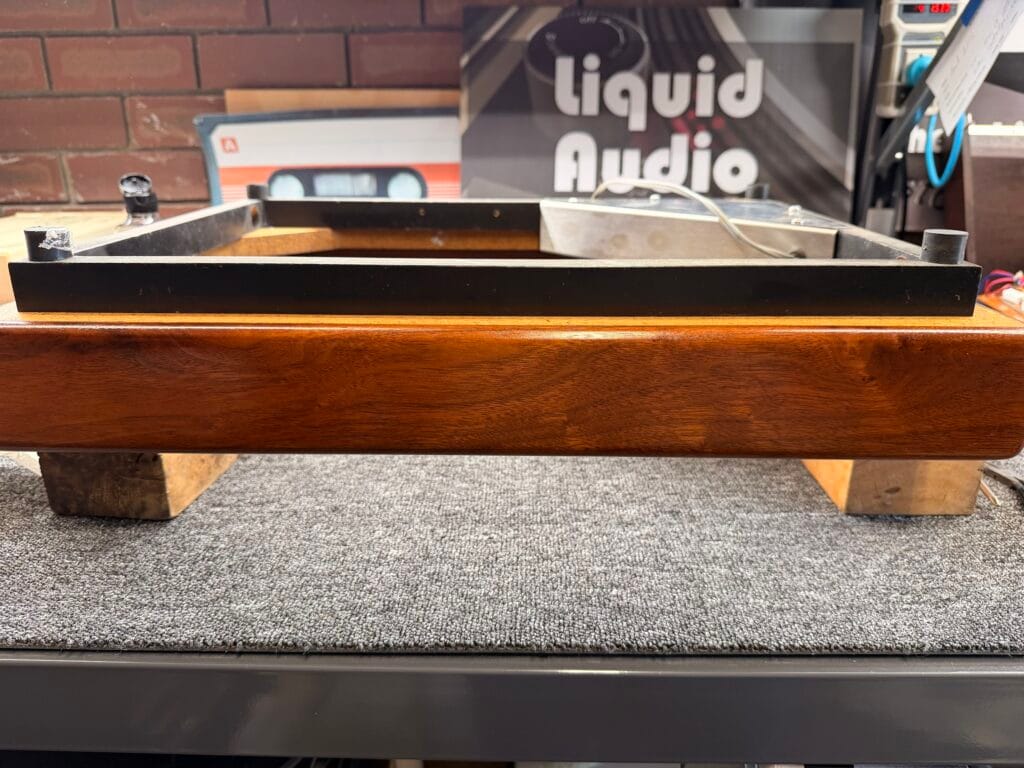
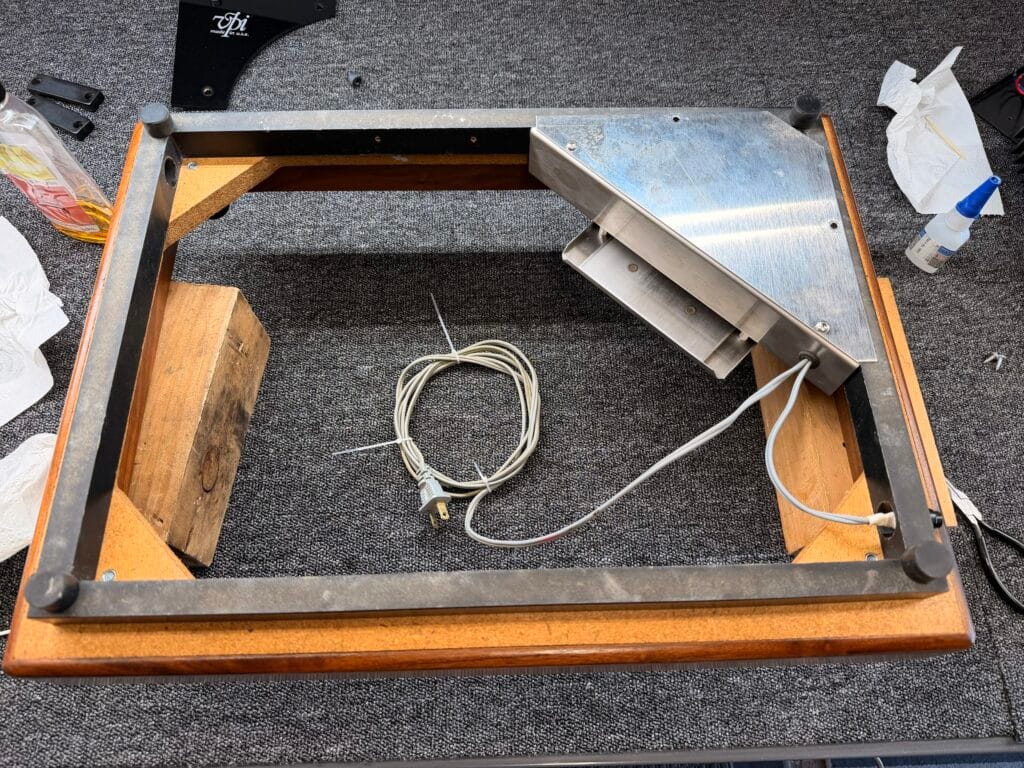
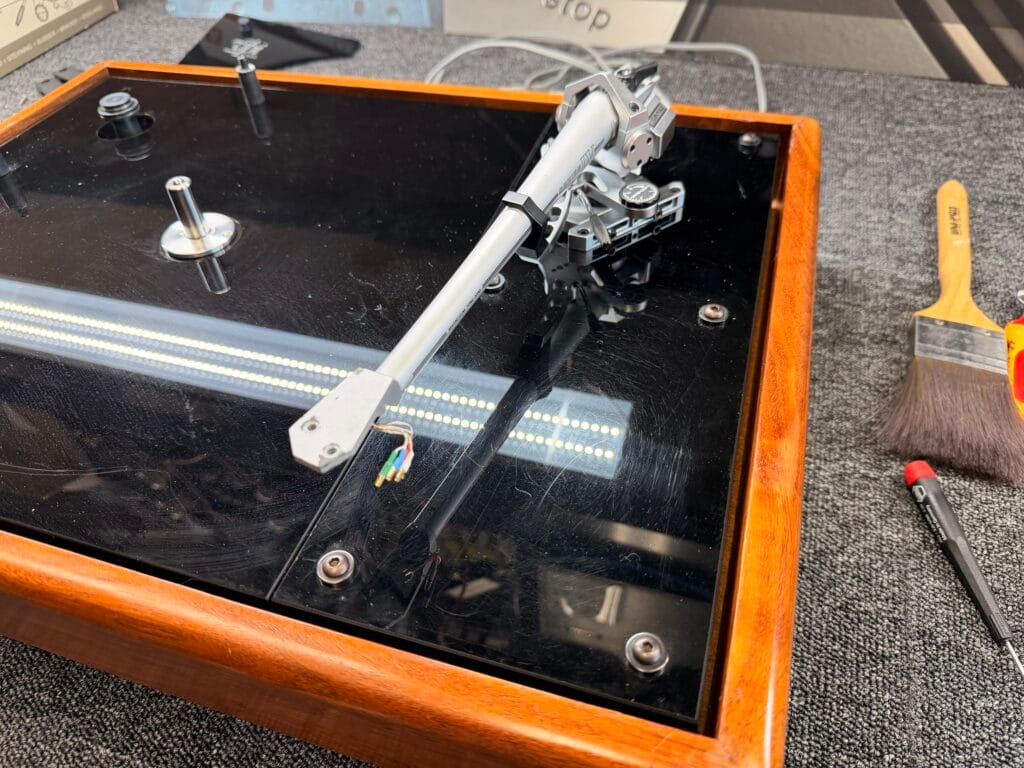
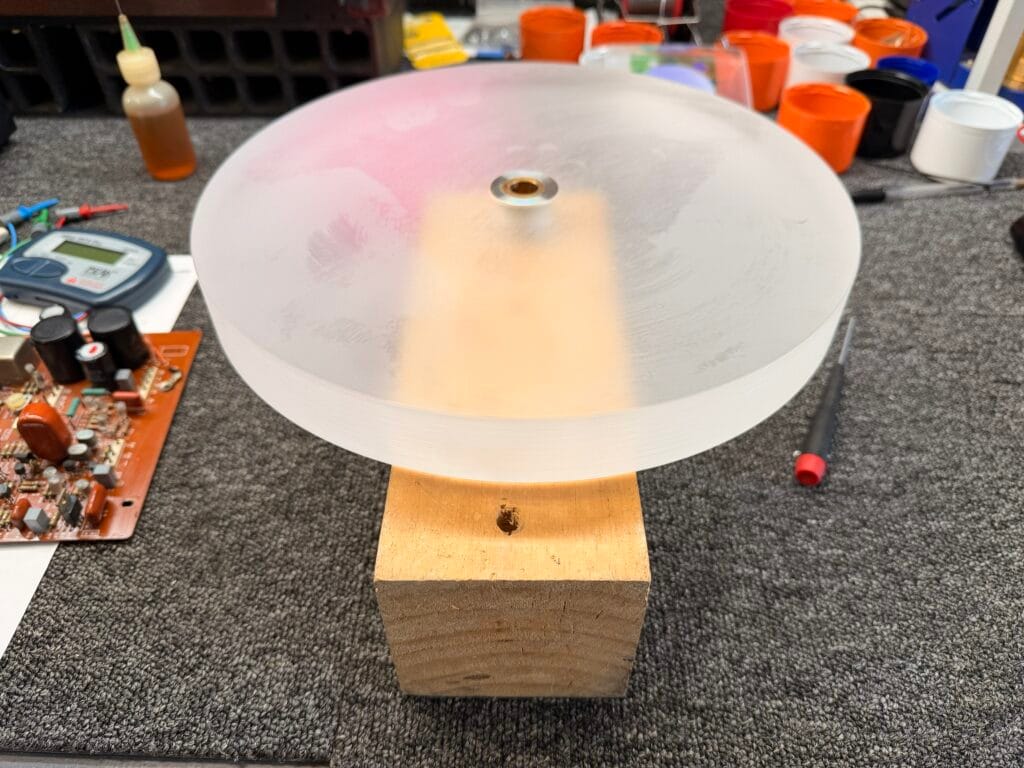
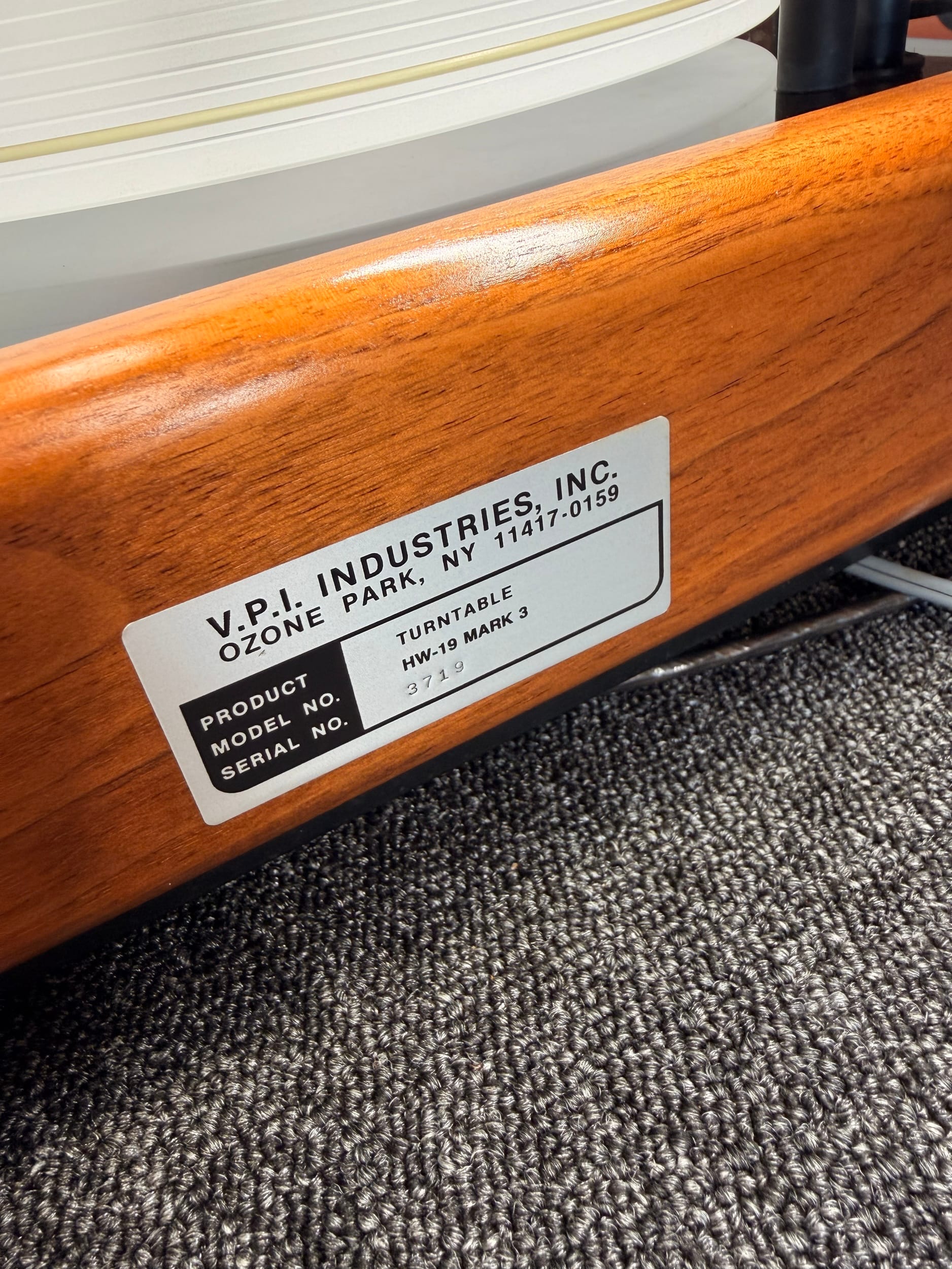
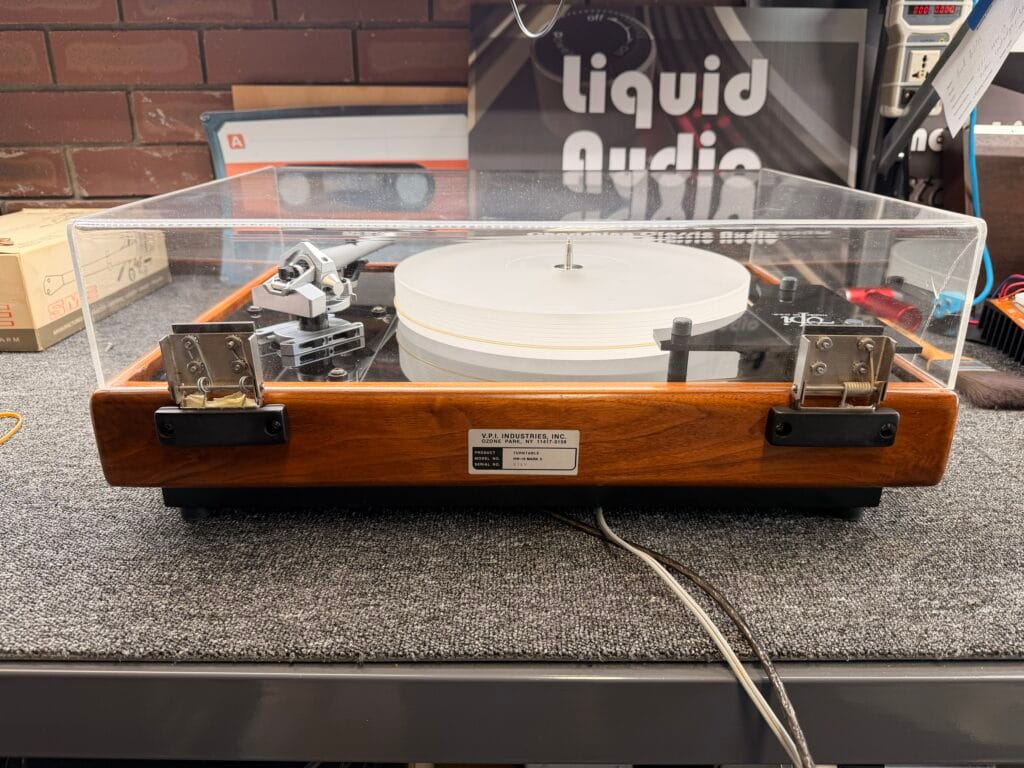
🙂
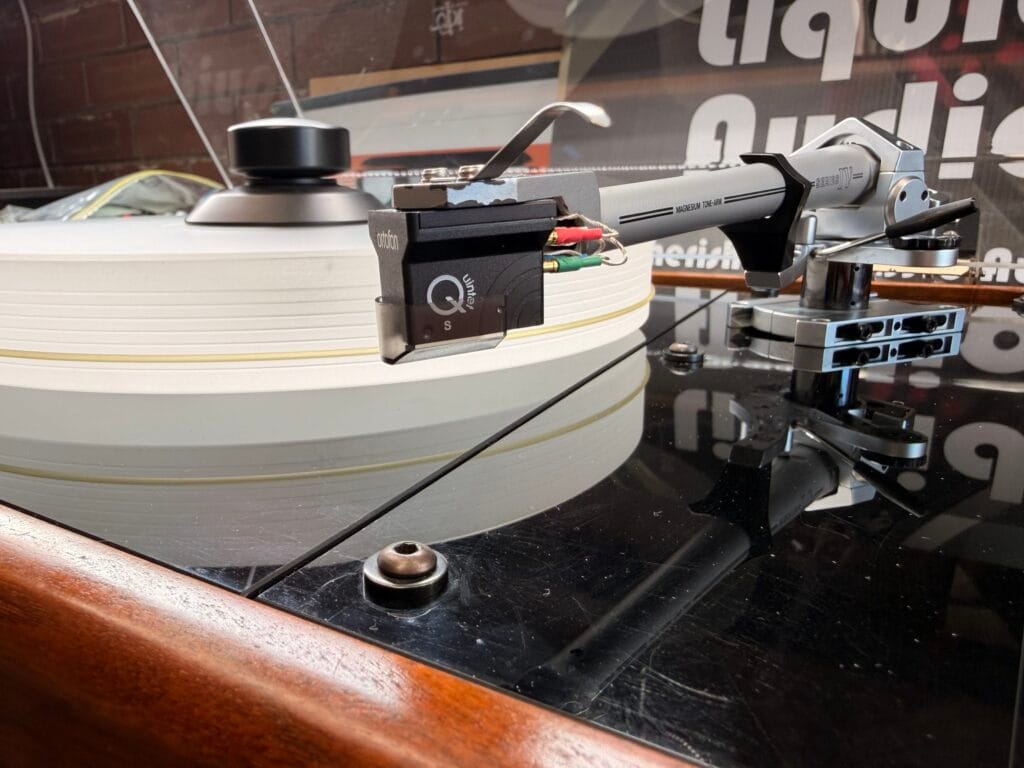
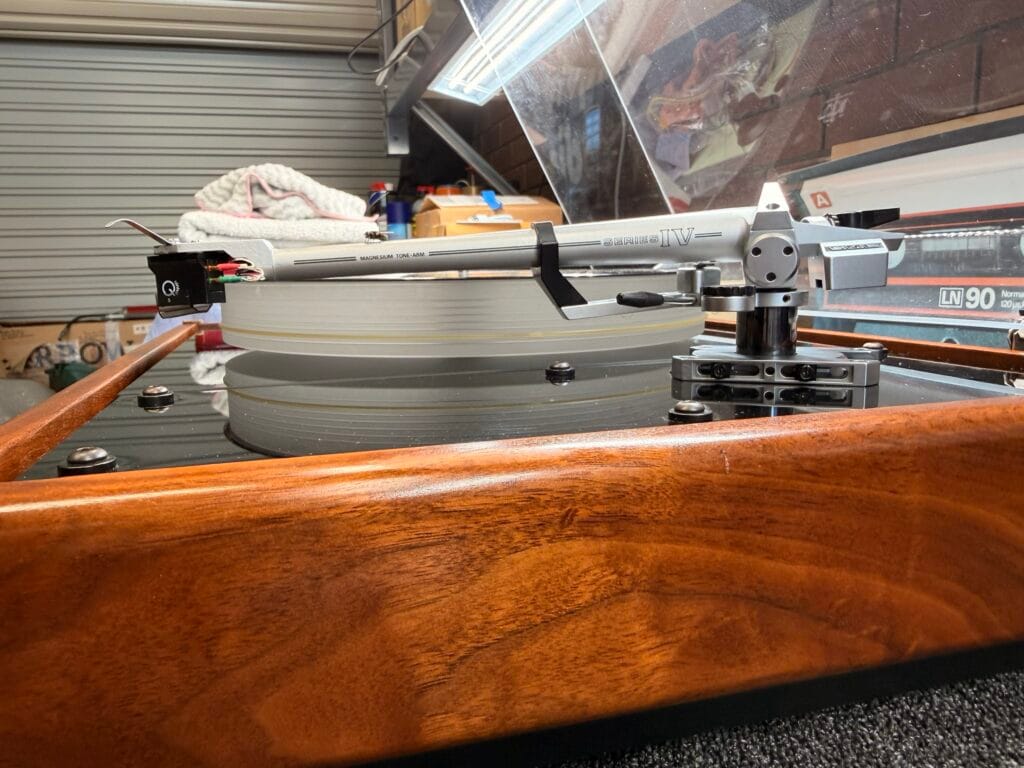
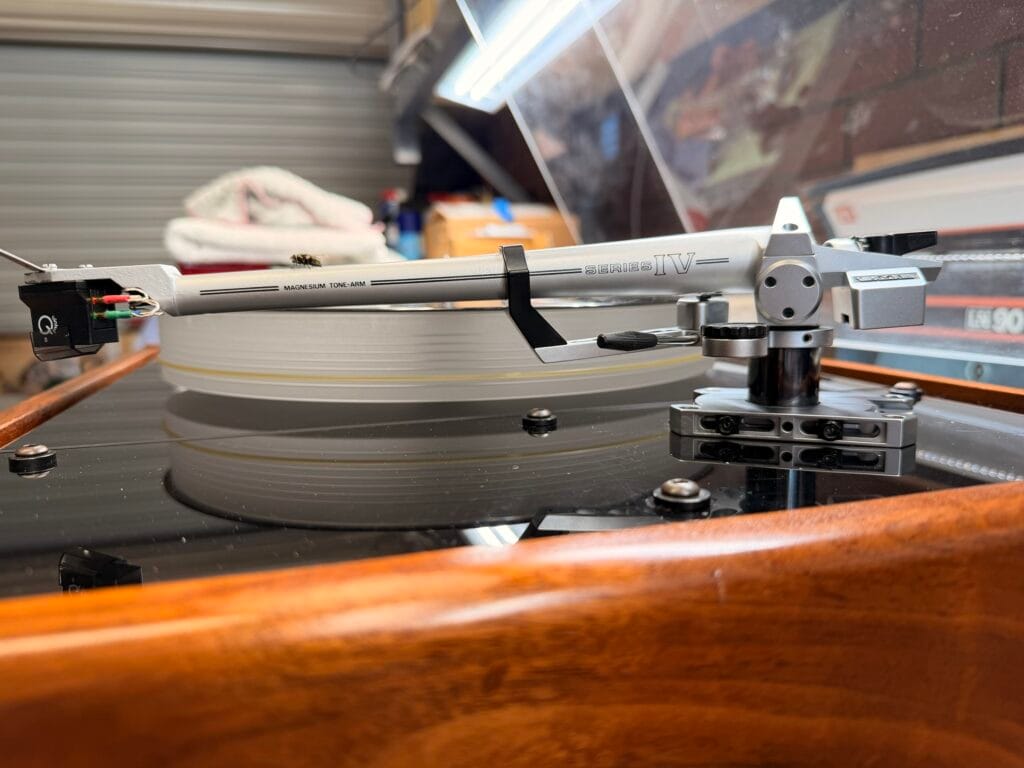
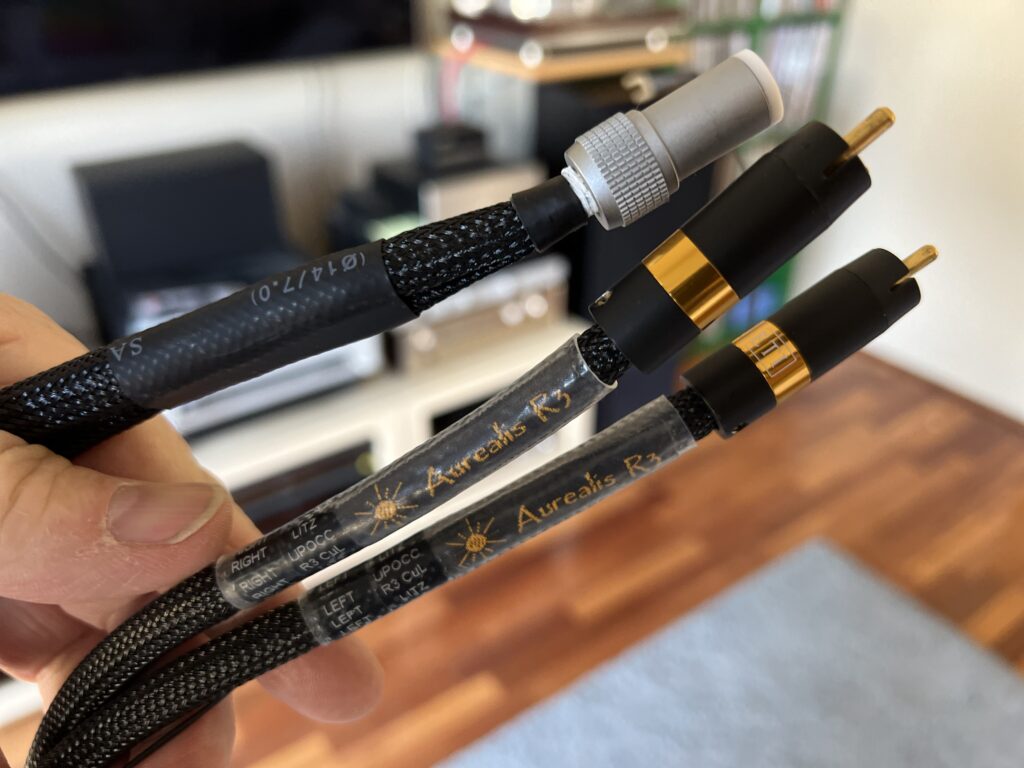
The other issue here was that there were two supplied audio cables, both of which were damaged. I was able to repair one of them from memory, but I don’t have photos of that. Luckily, I also had a pre-owned tonearm cable in stock and available for purchase. The customer was happy to grab it, so that was another win. I make these points because this is generally the result when you work with a turntable specialist, rather than someone who just works on turntables.
Results
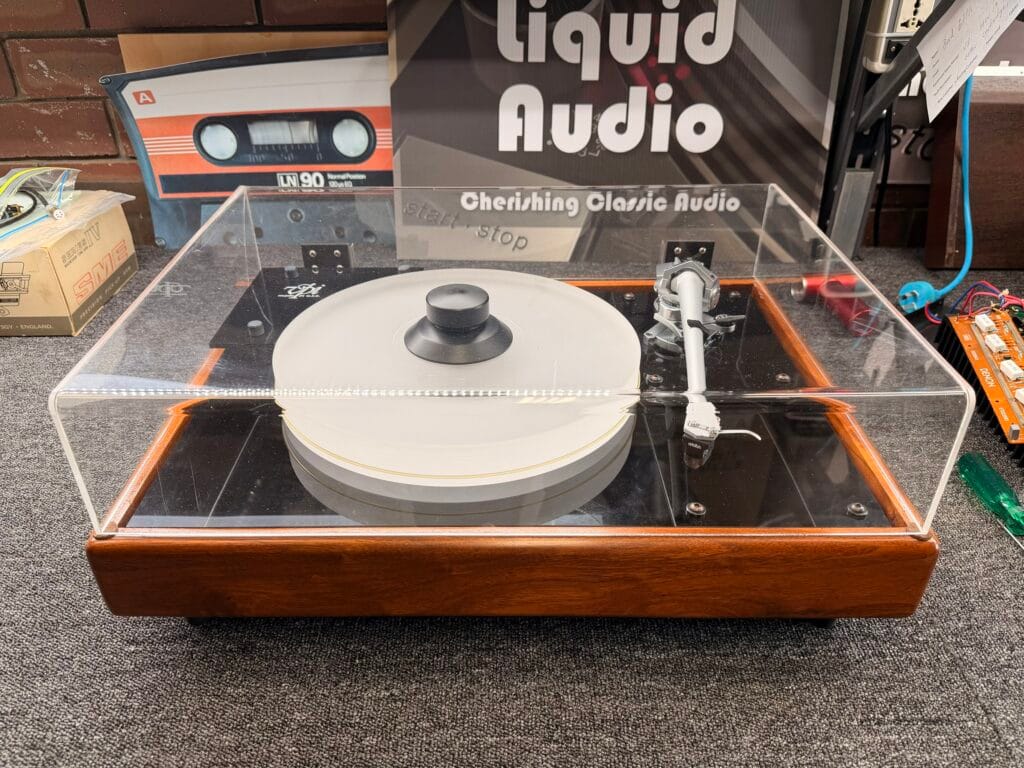
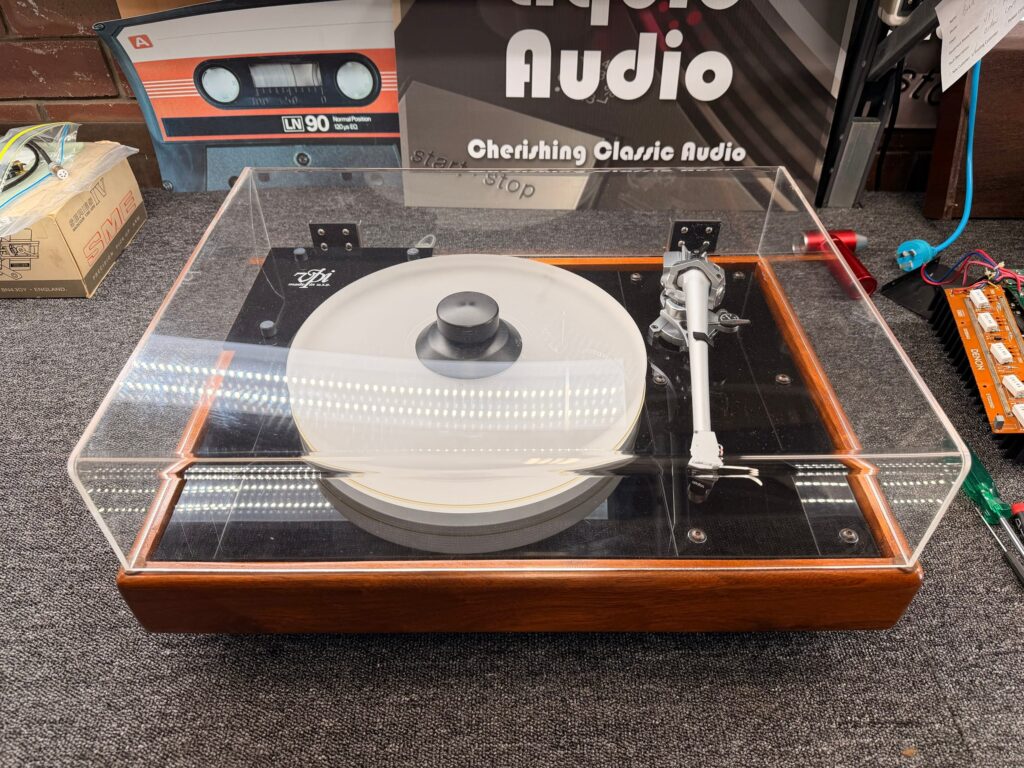
The good news here is that I was able to repair this VPI HW-19 Mark 3 and take her from completely unusable to fully functioning. The damaged tonearm arm rest outrigger is still an issue, but one that, thankfully, doesn’t prevent the deck from being used and enjoyed; it’s more just something the owner needs to be aware of. This can be fixed, along with my recommendation to fix the thrust bearing, should the owner wish to.
The tonearm issue might best be resolved by sending the arm to SME in the UK. They offer full repair services on legacy arms like this one, plus rewiring with silver wire and other tasty bits and pieces, so this is well worth considering, especially now SME that has stopped selling them as standalone arms, and given that the customer paid very little for this one in terms of the overall cost of the deck.
UPDATE: Her owner tells me:
G’day Mike,
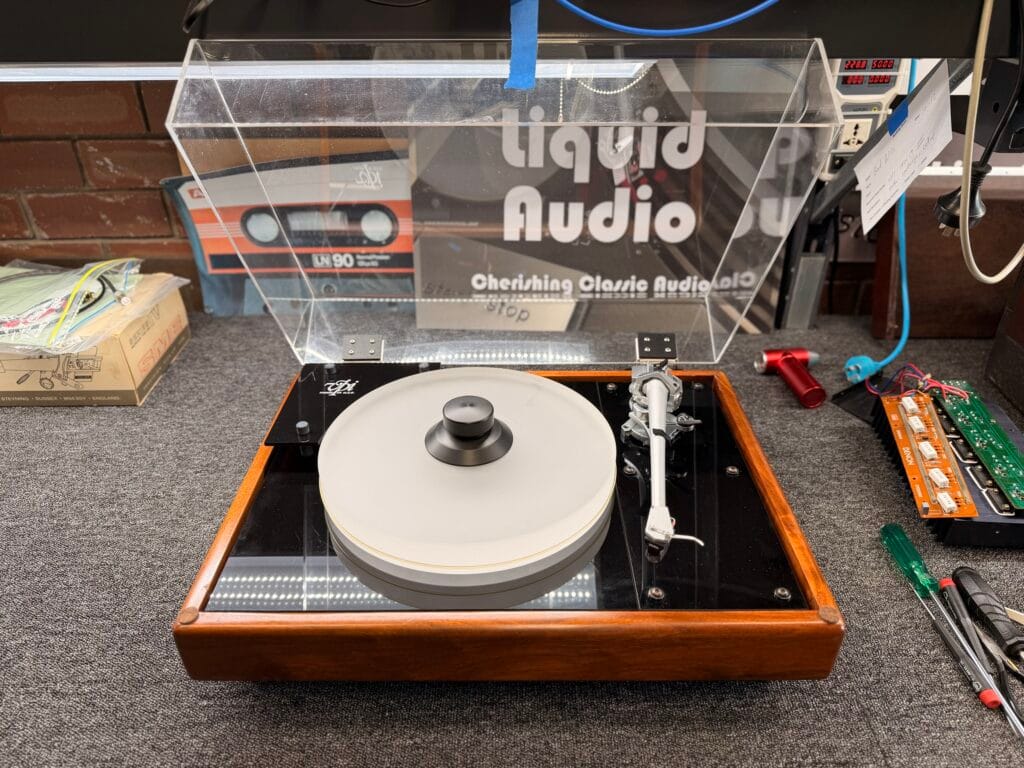
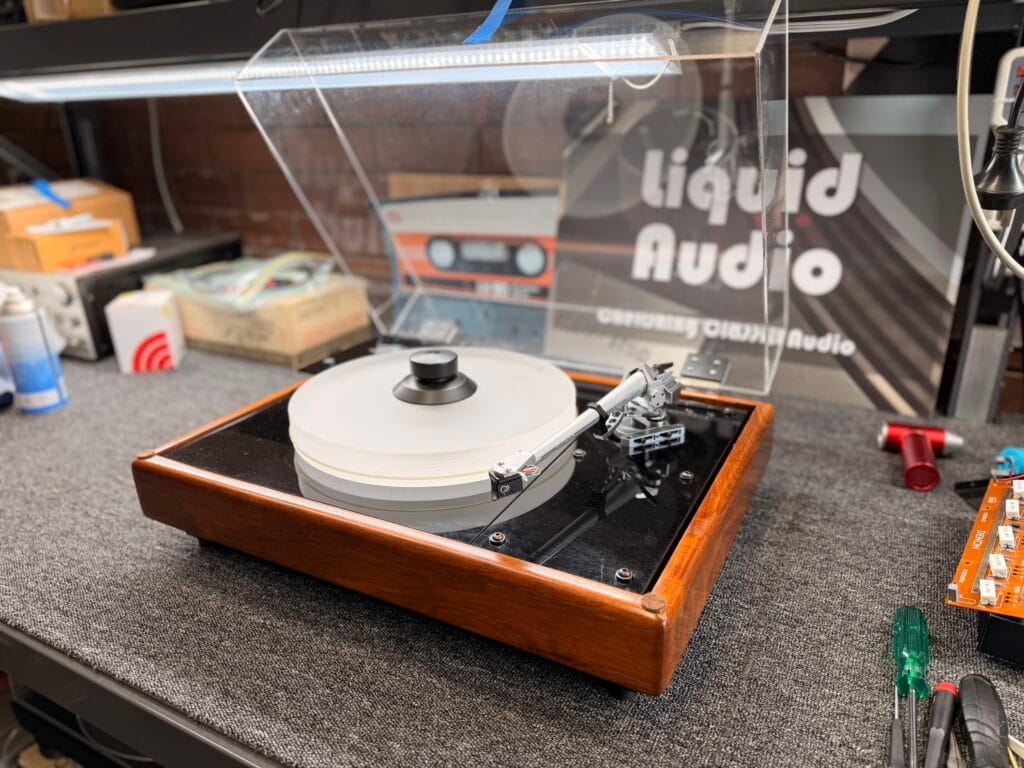
I’ve just enjoyed your post about bringing the VPI HW19 back into the land of the living. It was battered and bruised, but it’s been performing faultlessly since you tuned it up … it’s definitely a step up from my old SL1200 and Rega RP6. Although, in fairness, the new cartridge probably plays a big part in that.
Brad E
Thanks!
As always, thank you so much for visiting, and I hope you enjoyed reading about another classic high-resolution turntable. If you’d like me to look at your VPI turntable or any other high-end vinyl spinner, you know where to find me, and my business, serious about vinyl long before it came back into vogue.
A huge amount of work goes into these articles. You can support me and my efforts to spread the word about beautiful equipment and keep it performing at its best, by engaging our services, commenting, liking, sharing, subscribing, spreading the word and donating, using the button in the footer. There is a list of recent donors in the sidebar/footer.
Discover more from LiQUiD AUDiO
Subscribe to get the latest posts sent to your email.
Hello Mike
Another great article. Obviously a decision for your customer. Hopefully, the total cost of the purchase meant that the arm alone was a bargain. My thoughts on VPI (including the current line-up) is that I would keep the arm, send it back to SME for a full service and get a new turntable.
Your observations on the “upgrades” are also quite noteworthy as so many of us get talked into them. I remember buying an Achromat (sight unseen and without trying it) directly from Arthur Khoubesserian for $200 (based purely on his reputation and what the hifi press said). When it arrived, it was horrible, typically British and not much better than a piece of cardboard.
I met an “audiophile” about twenty years ago at a famous Melbourne hifi store that was revered by audiophiles across the country (it no longer exists). The owner was very intimidating and rubbished everything that he did not sell. He was very big on Wilson Audio (which I think is overrated and the engineering equivalent of taking a sledgehammer to crack a walnut). Anyway, the audiophile asked me about my equipment (as they always do) and when I said that I had a PD-350, he became quite sad. He said that he owned a PD-350 but was talked into trading it in on a VPI-TNT HR (which was about $10,000 at the time and around three times the discounted brand new price of my PD-350) when he started shopping at this particular store. He said that he regretted swapping the PD-350 for the VPI because the Luxman was vastly superior. A little like my regret in changing my PD-441 for the PD-350 even though it is very good. I shopped at that store for the records they carried and never bought any equipment other than a couple of cartridges.
As always, your work on your customer’s VPI is very impressive.
Cheers
Marius
Thanks, Marius, and once again, I agree! I’m less bothered by the VPI and, in fact, I quite like them, but there is no way I would trade my L-07D or my PD-350 for one, that is for certain. The American turntables always seem more ‘honest’ to me than most of the British ones, with a few rare exceptions. This VPI, for example, is at least solidly built, unlike others we are familiar with, though the platter ‘upgrade’ was unwise, no doubt about that. I am also very fond of the Luxman PD-441 and 444, two gems.
Hello Mike
I agree. The VPIs are much better built than the British turntables. None of the crude build of the Linns, et al nor the “low mass” snake oil of Rega to justify its low grade MDF plinths that transmit vibration (definitely a “vibration measuring instrument”). The dearer SMEs and AVIDs are the only British turntables that I consider to be good but impossible to justify at the price. The entry level AVID is over $2,000 and for that, one gets an MDF platter (another $1,000 for an aluminium platter). VPI was also the only belt drive manufacturer to acknowledge that direct drive is better as well as acknowledge how good the Technics direct drives of old are.
Cheers
Marius
Thanks Marius, and quite right, SME has always done things properly, and AVID also. That stuff is serious, no punches pulled. I also like that VPI digs direct drive, and theirs is pretty good, I think, too!
Don’t even get me started on the Rega ‘low-mass’ thing. I’ve converted at least two customers with expensive posterboard-chassis Regas who didn’t believe me at first when I told them why they should try a really good, heavyweight direct drive turntable. Both subsequently thanked me, sold their Regas, and never looked back.
The most garbage ‘high-end’ turntables I’ve worked on..? Clearaudio…