
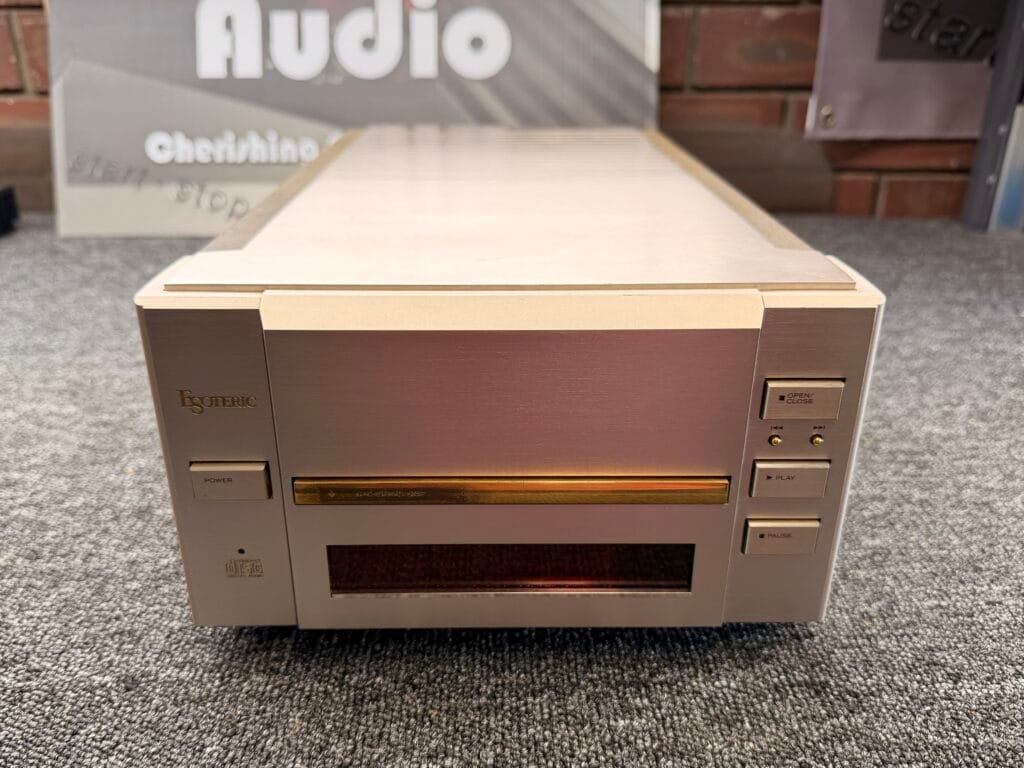
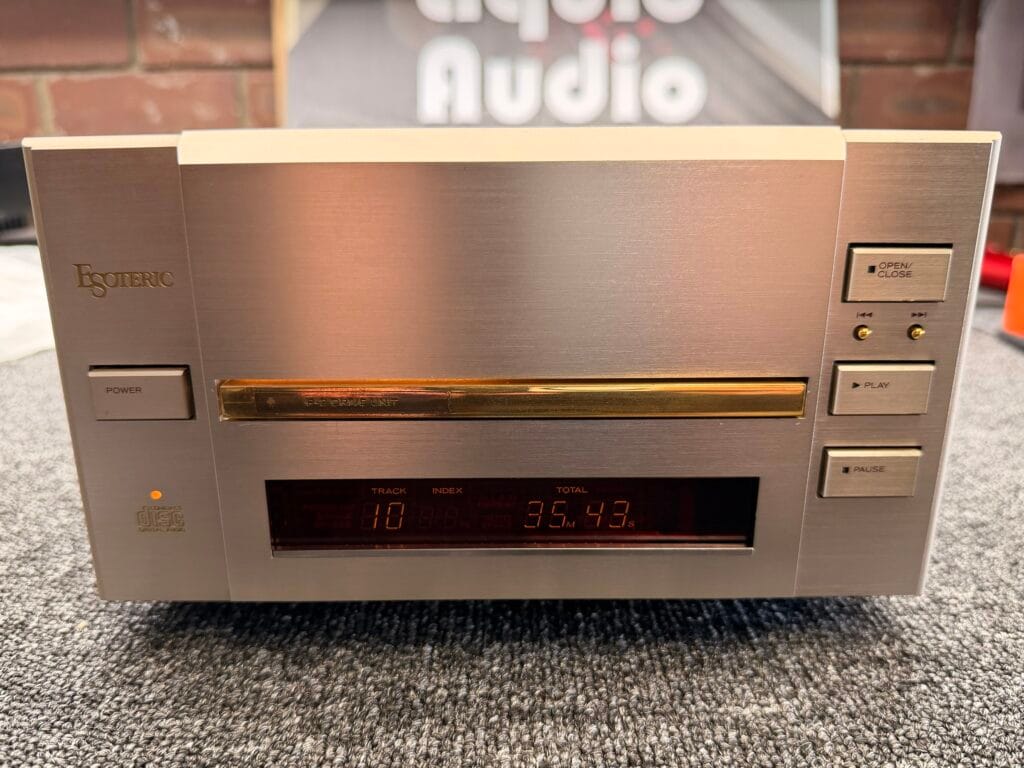
Join me this time as I bring this absolutely beautiful Esoteric P-2 CD transport back into service.
Welcome back, everyone. My apologies for the delay in new articles, but I’ve been managing my energy and trying to stay ahead of the curve! I’m staying focused, getting through a ton of work and limiting the jobs I book. One of those is this absolutely beautiful, though somewhat challenging to work on, Esoteric P-2 CD transport, from one of CD’s golden years – 1992.
I’ve worked on many TEAC/Esoteric CD players and transports over the years, including another P-2, a VRDS-25, a VRDS-10, the P-30 in the video below, and others I’ve forgotten. I’ve become quite fond of them, in spite of their quirks and some irritating design and service aspects.
Those quirks have led me to develop specific service procedures for VRDS players to streamline maintenance and reduce my pain. When I say they can be painful to work on, were not talking Nakamichi cassette-deck-overhaul-level pain, but extensive disassembly work is required in some cases and the disconnection of a myriad of sometimes fragile connectors.
A job like this Esoteric P-2 repair and service, takes a few hours, is rather fiddly and involves various ‘Jesus’ parts that cannot be lost or damaged. If unsure, don’t even think about diving into one of these. But is the work worth doing, though? Well, if it means keeping a high-end and irreplaceable transport that would cost tens of thousands of dollars now, alive, yes, of course, it’s a no-brainer, unless you happen to have a spare 10 or 20K lying around!
Esoteric P-2 Repair Video
For those looking for a video to accompany this article, I’ve prepared this one for your viewing pleasure:
I hope you enjoyed that. Please leave a like and subscribe if you did.
Features
The Esoteric P-2 was made by TEAC for those unaware, part of their Esoteric ‘high-end’ division, which remains to this day. Esoteric still produces some really tasty hi-fi gear, like the Grandioso P1X SE, a CD transport and power supply costing just $65,000 AUD, from Krispy Audio!
The Esoteric P-2 is a CD transport, like the Rega Jupiter I currently have listed in the store. That means you need a DAC to use it, and this means a proper DAC, not a cheap streamer or sub-2K DAC, but a serious one, preferably one that weighs at least the 13kg this does.
Unlike some contemporary DACs like my Accuphase DP-90B, which features the balanced AES/EBU and super-high-speed BNC optical outputs, you only get standard coaxial ‘RCA’ sockets and TOSLINK optical digital outputs here. You get two of each, though, meaning you can make some interesting DAC and cable comparisons with an Esoteric P-2.
Features are predictably limited, but the usual track handling and remote control are standard. The P-2 also has one of the smoothest and quietest loaders of any player I’ve used, rivalling that of my old Sony CDP-X7ESD.
Esoteric P-2 Specifications
Courtesy of the Audio Database, adapted by Liquid Mike
| Type: | CD Transport |
| Digital output: | Coaxial (2 systems) : 0.5Vp-p Optical (2 systems) : -15dBm to -21dBm |
| Features: | Direct Search: Track/Skip/Index/Time Time Search: 10-key Input Program: 40 prog. (RANDOM) Delete Program: 40 prog. (RANDOM) Repeat: 1/ALL/Program/A-B Display: Total No. / Playing No. / Prog. No. / Index No. Time Display: Each Remain time Display: Total/Each |
| Power: | 100 VAC, 50/60Hz |
| Power consumption: | 10W |
| External dimensions: | Width 225 x Height 134 x Depth 490 mm |
| Weight: | 13kg |
| Included: | Wireless Remote Control |
You’ll note the weight of the Esoteric P-2. Remember, it’s only a baby in terms of size, so this is one dense CD transport. Featuring an almost entirely metal construction and using a proper heavy-duty transformer, there is no switching power supply or plastic weight-saving nonsense here. What you get is a proper, old-school transport that’s built like a tank. Bravo, TEAC.
Issues
Like most TEAC/Esoteric VRDS machines, this one needed a deep service that had no doubt been put off for many years. My customer imported this unit from Japan, knowing that the tray wouldn’t open, and it therefore wouldn’t load a disc.
In practice, that meant that we didn’t know if it would read a disc, and the only way to find out was to complete the cleaning, lubrication, belt replacement and adjustment needed to give the player the best chance of running again.
With that in mind, I approached this same way I always do, looking at each block/element in order, deciding if it is go or no-go, and what additional work might be needed for each element. So, without further ado, let’s go!
Repair & Service
Let’s work through the process step by step:
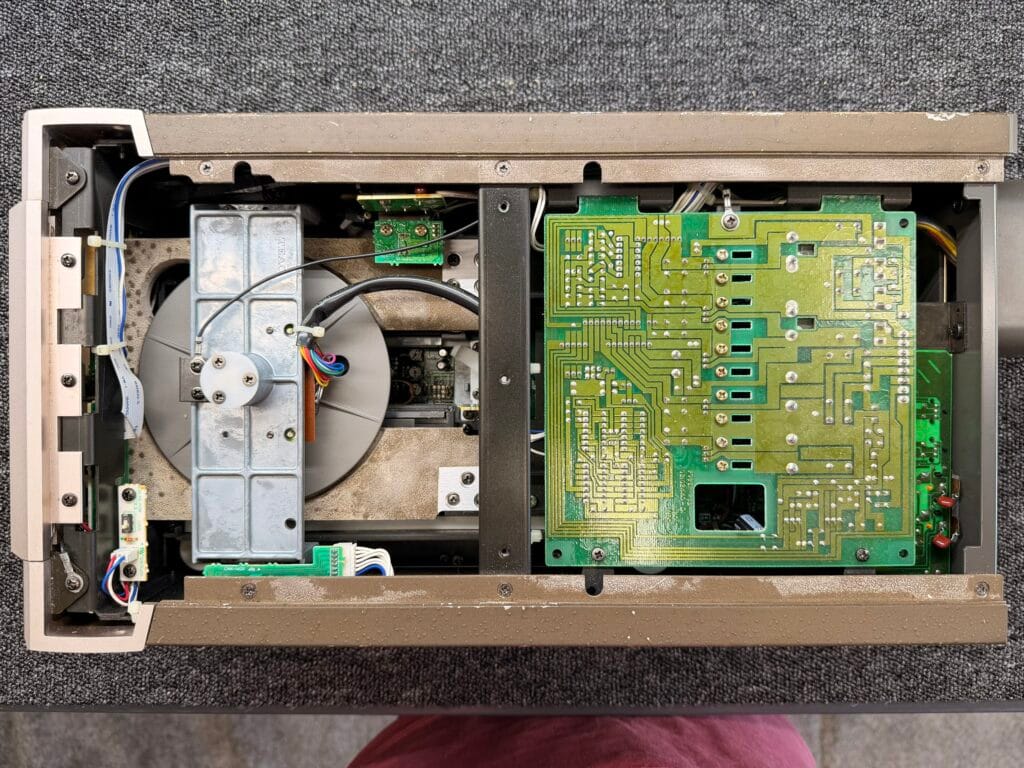
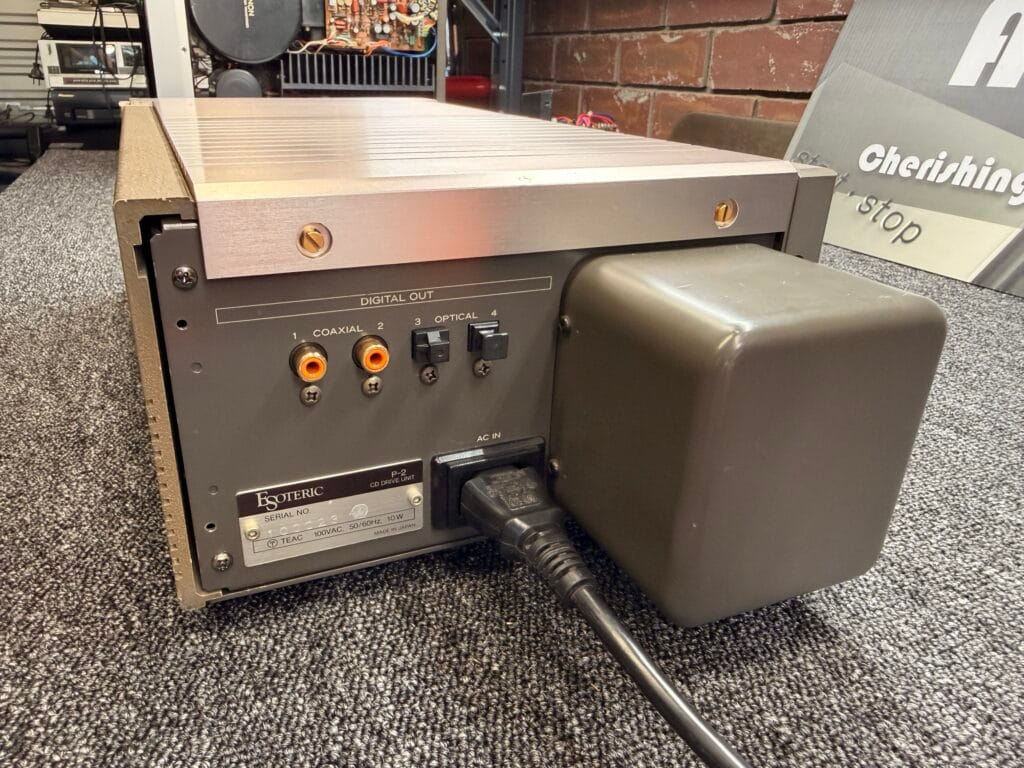
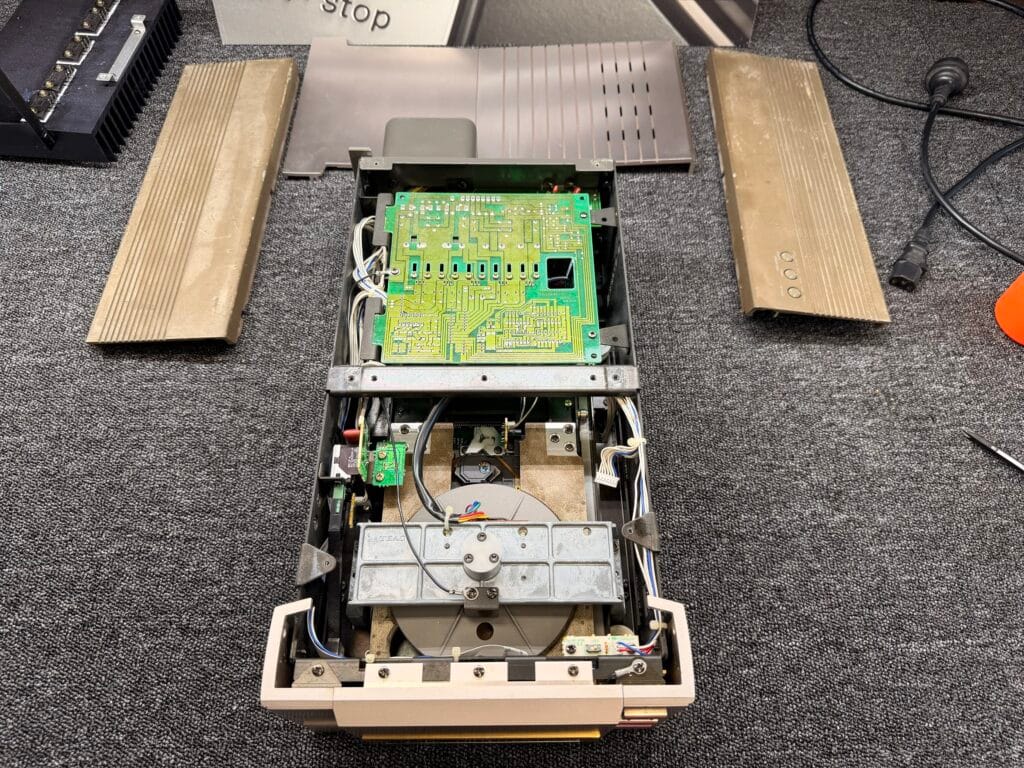
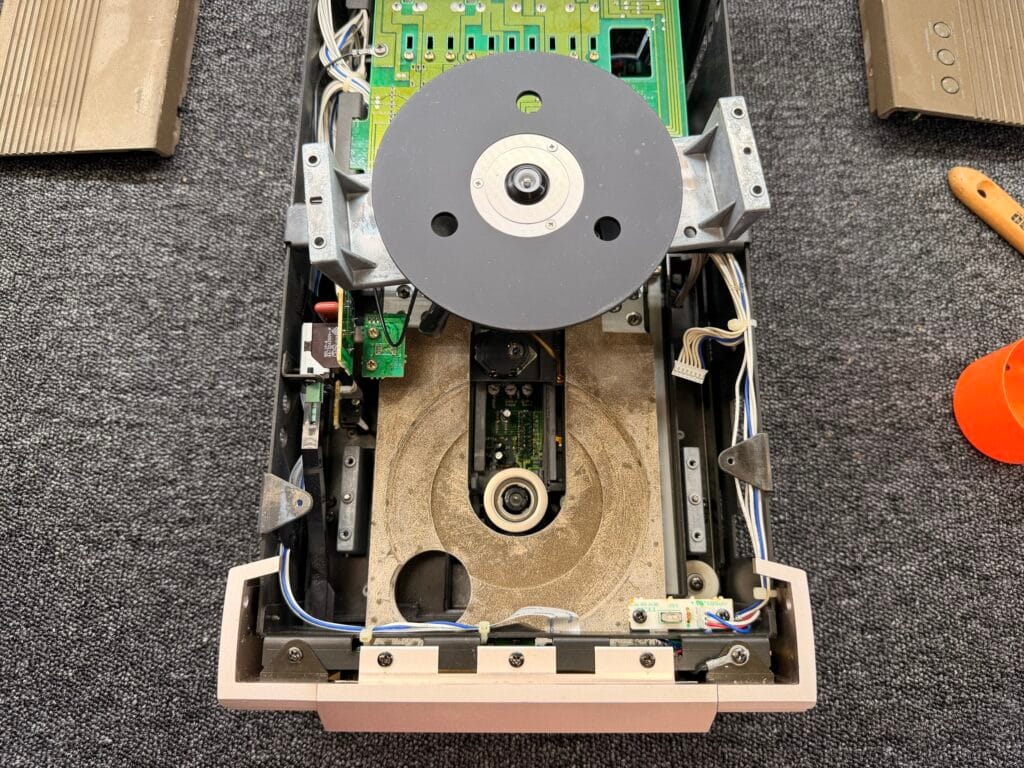
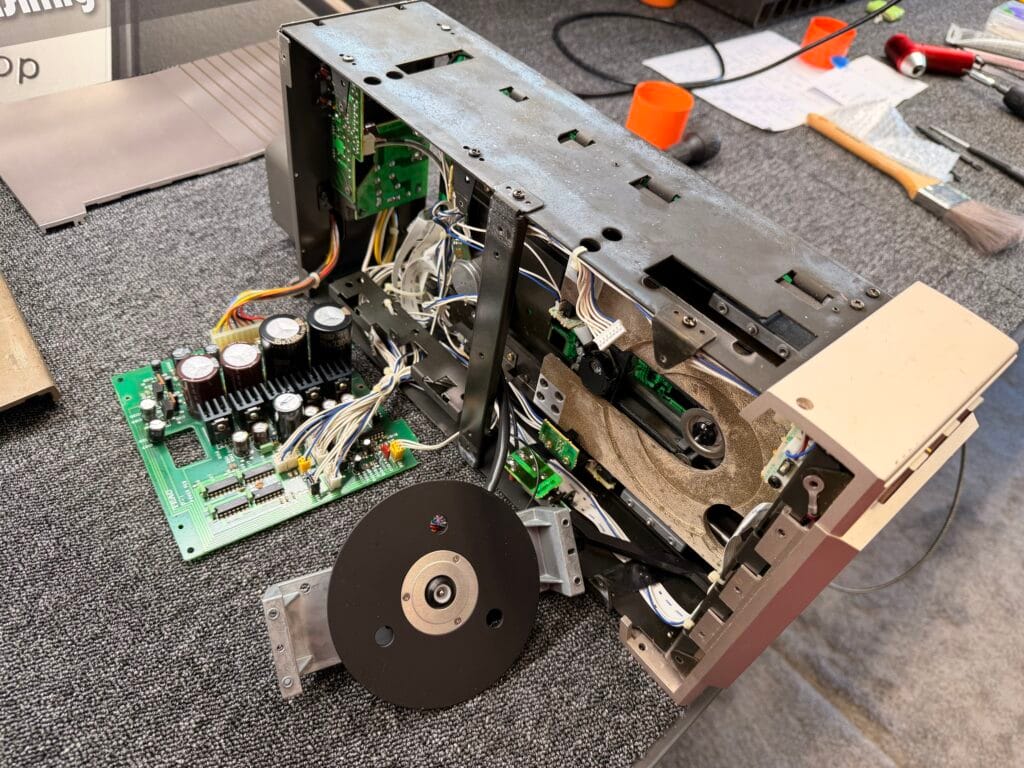
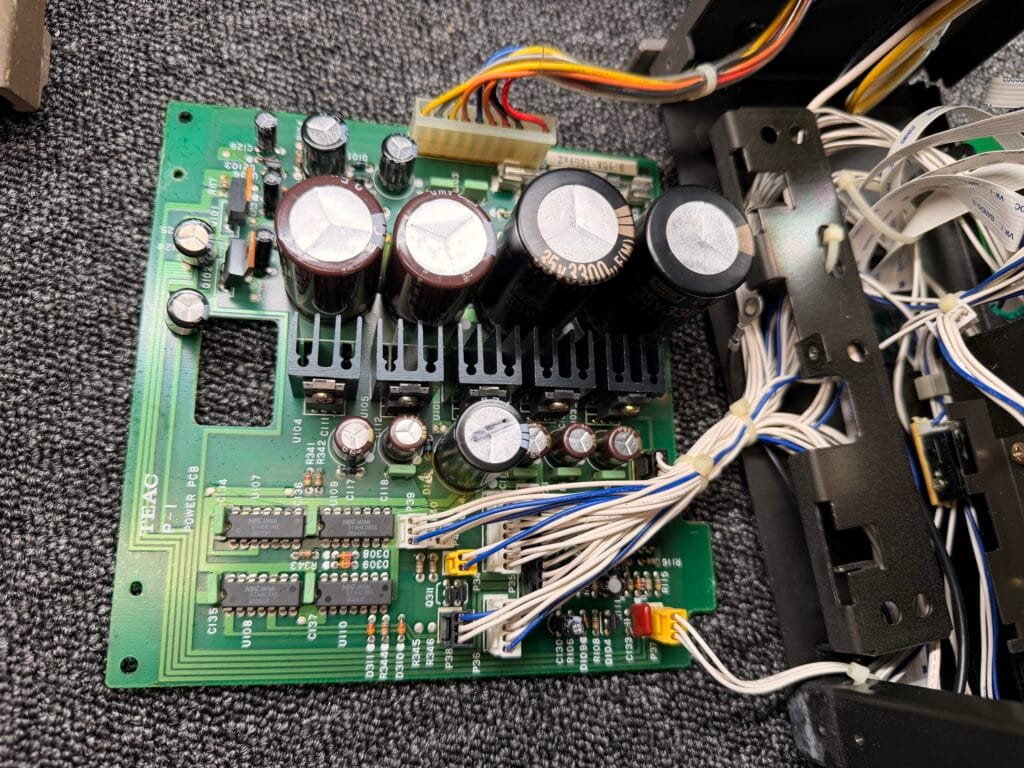
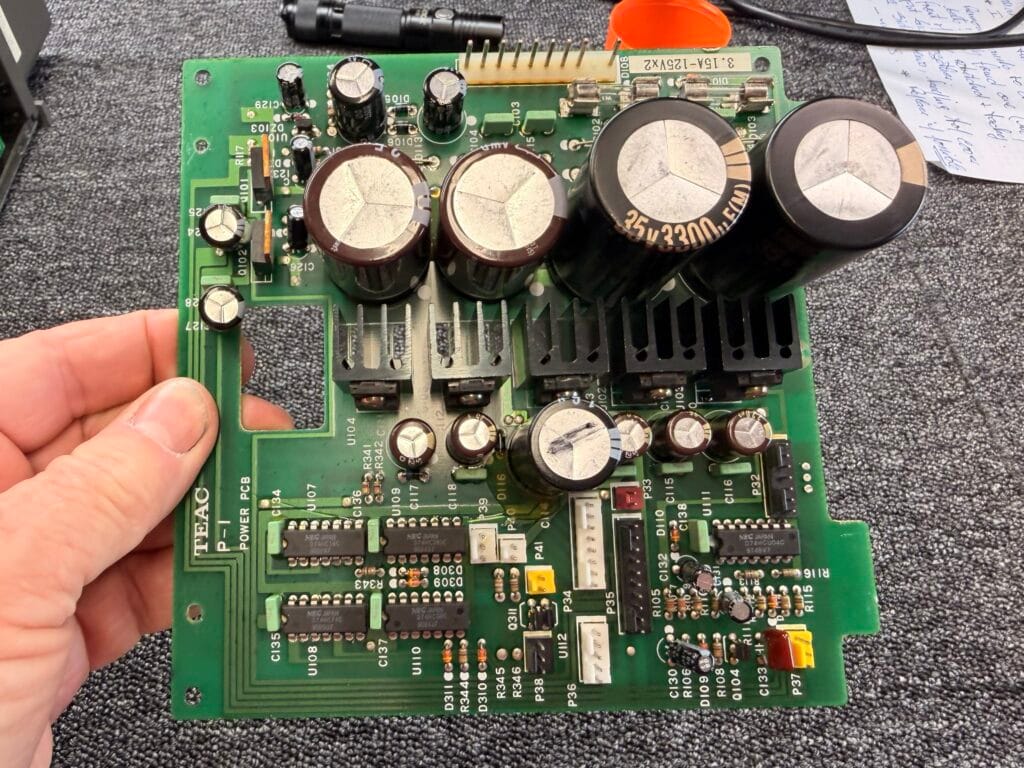
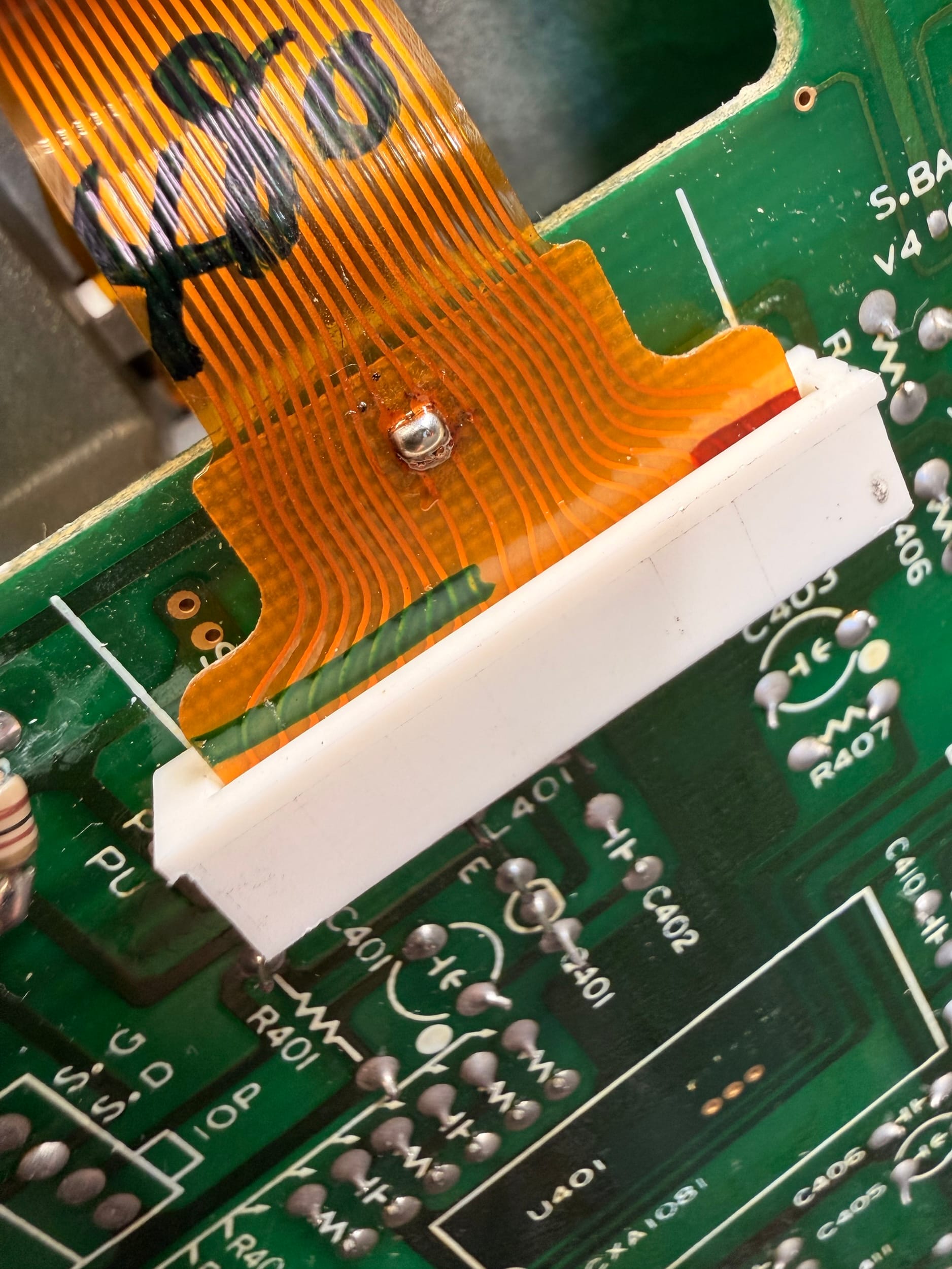
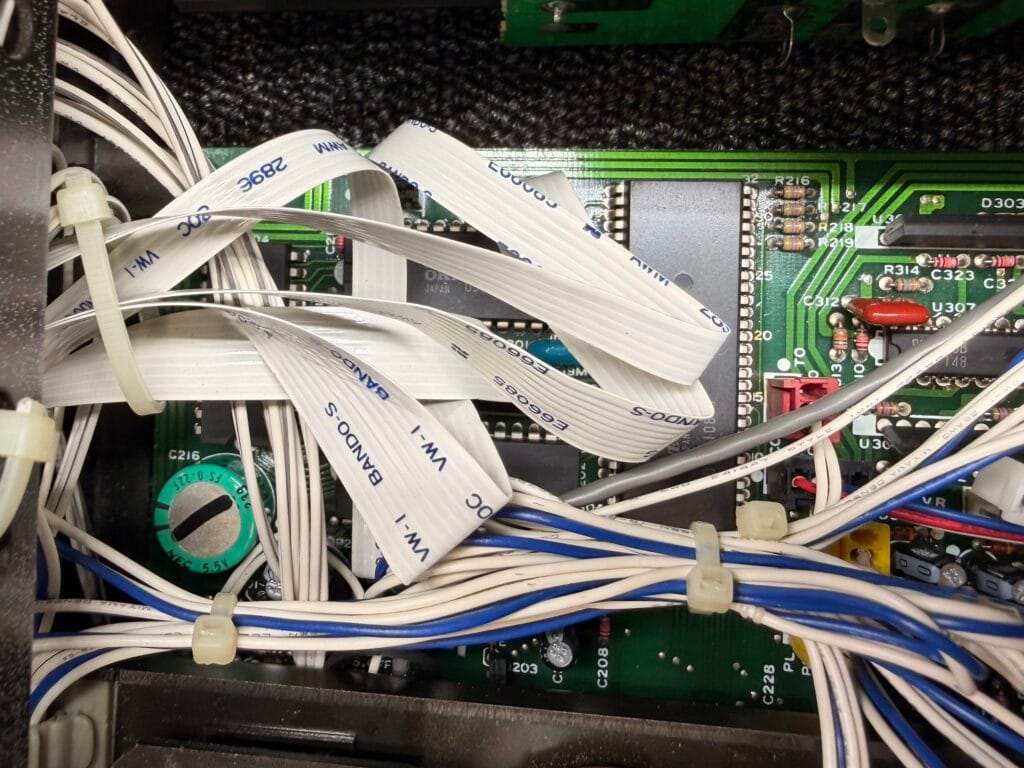
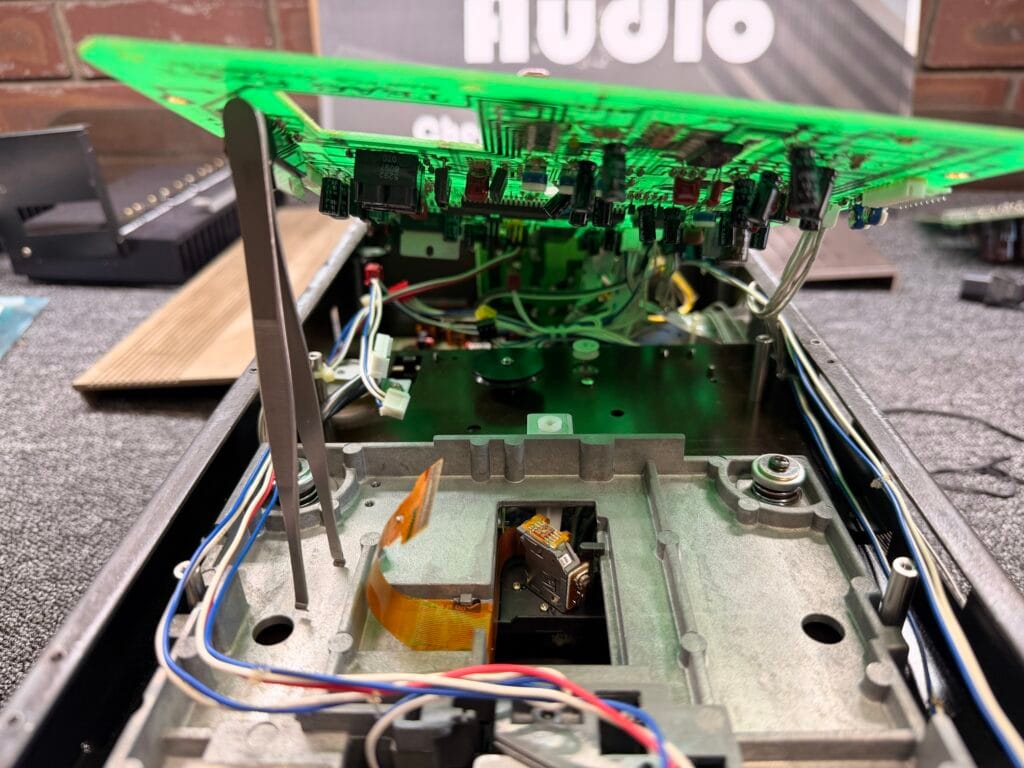
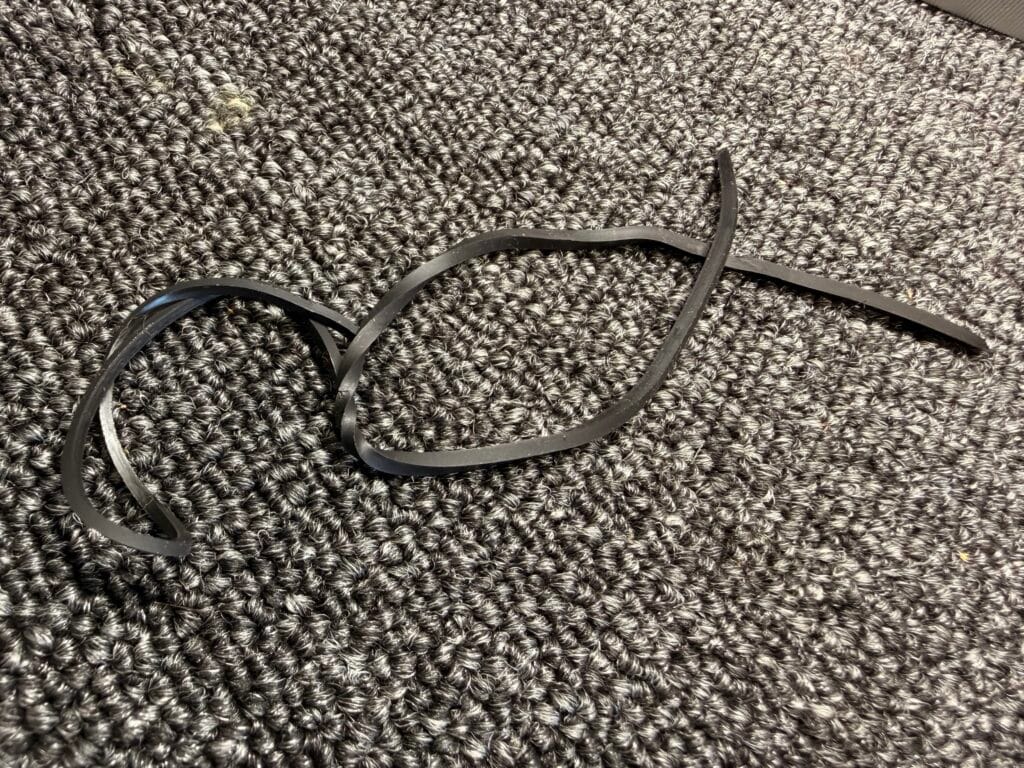
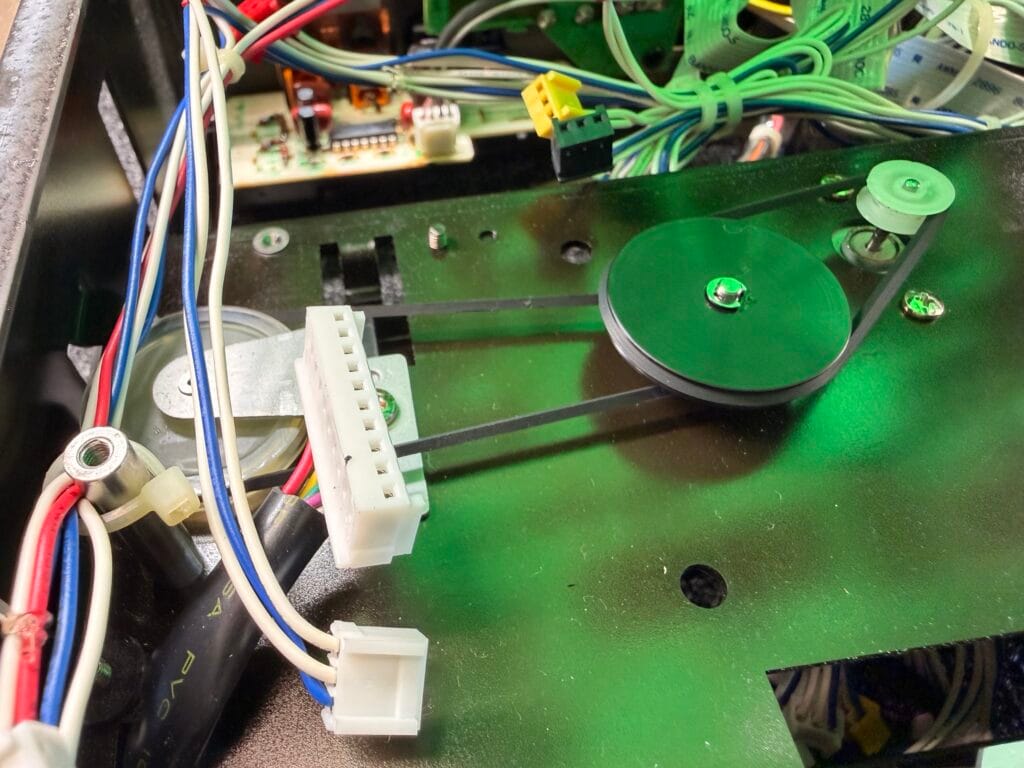
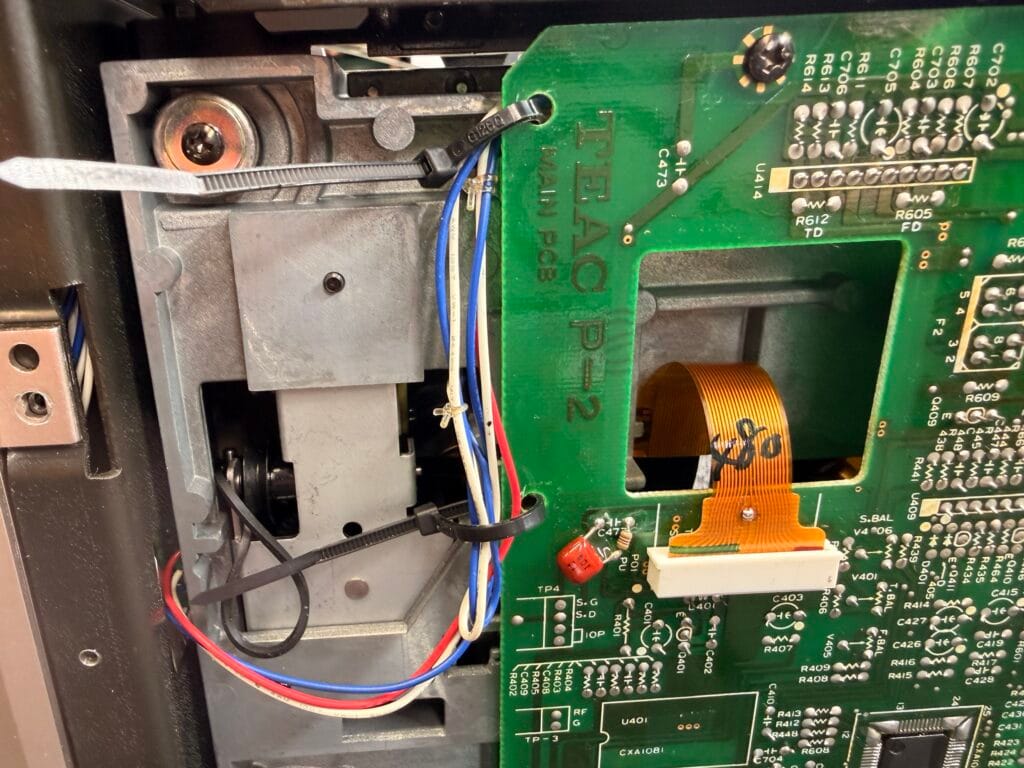
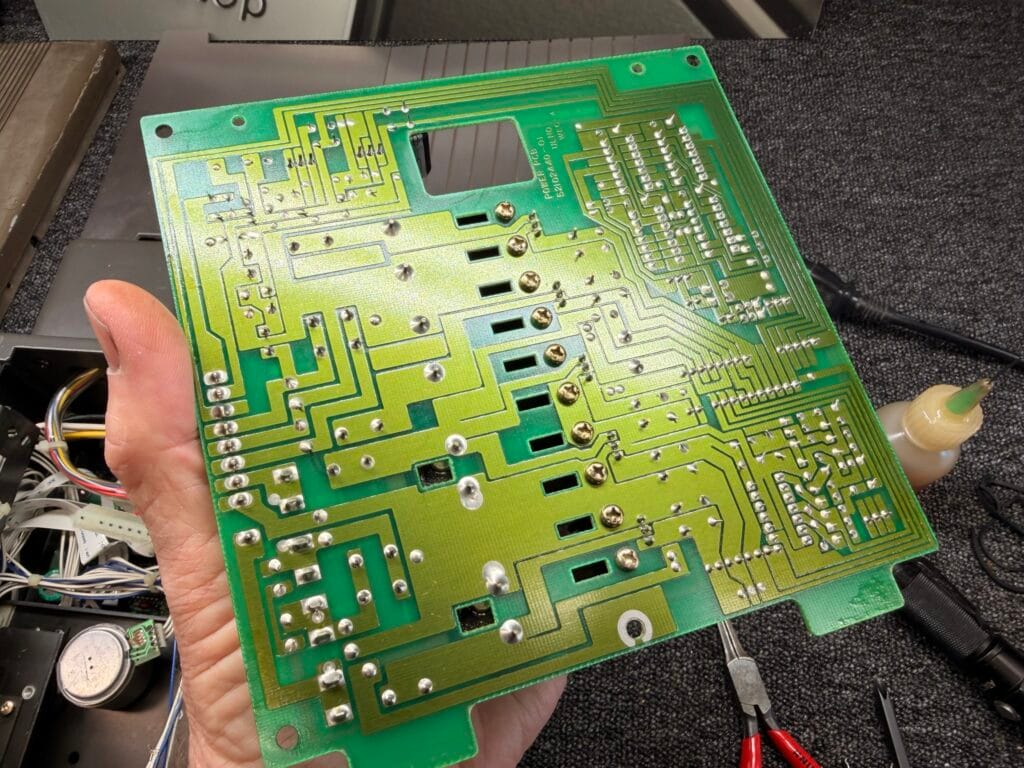
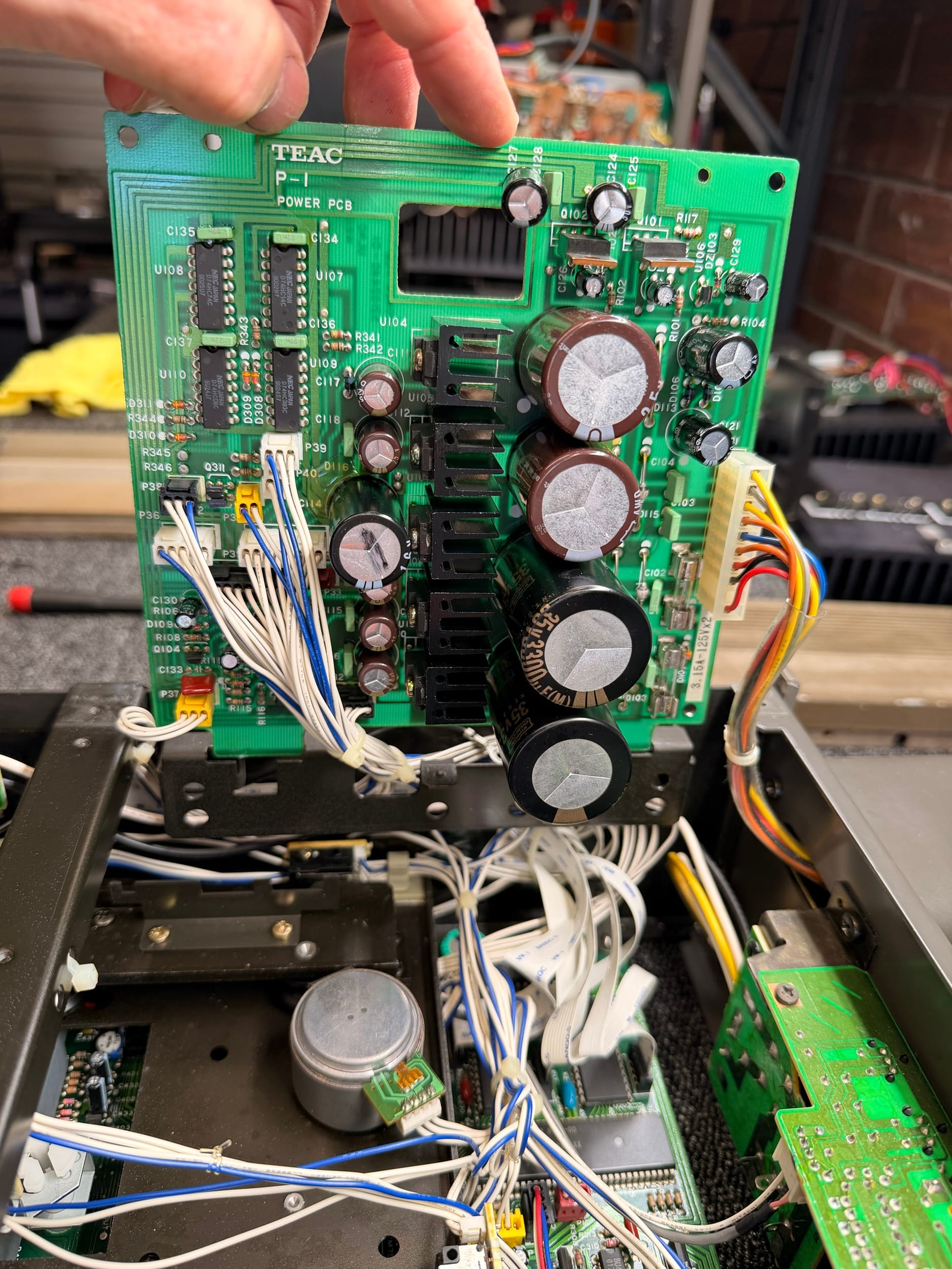
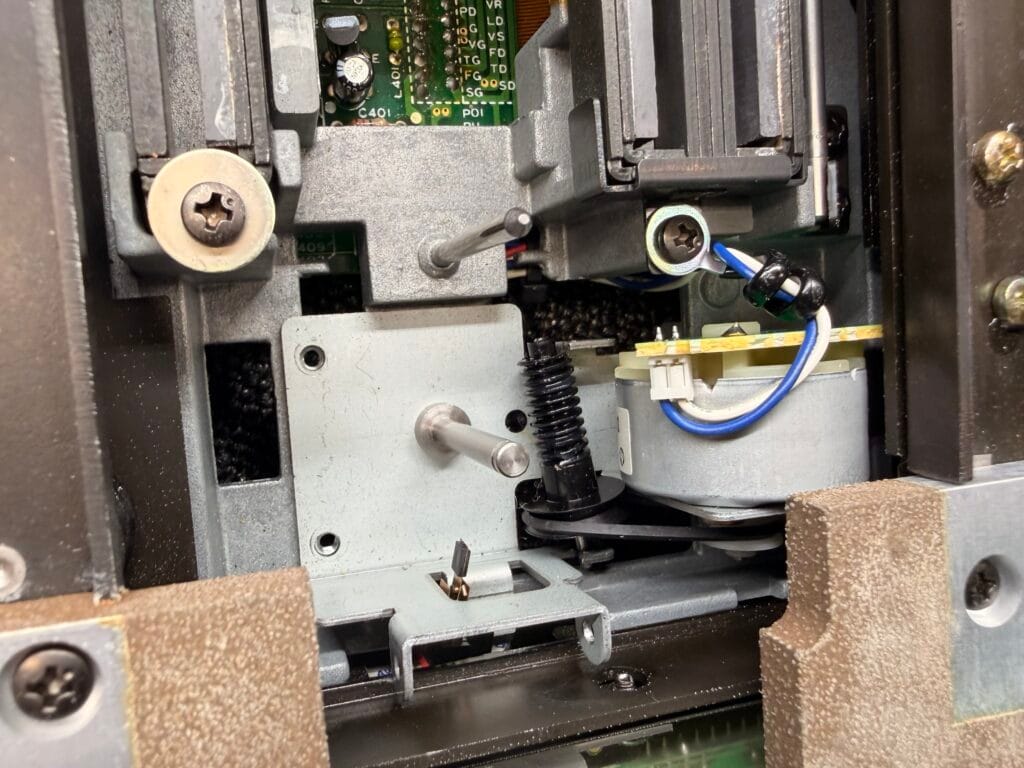
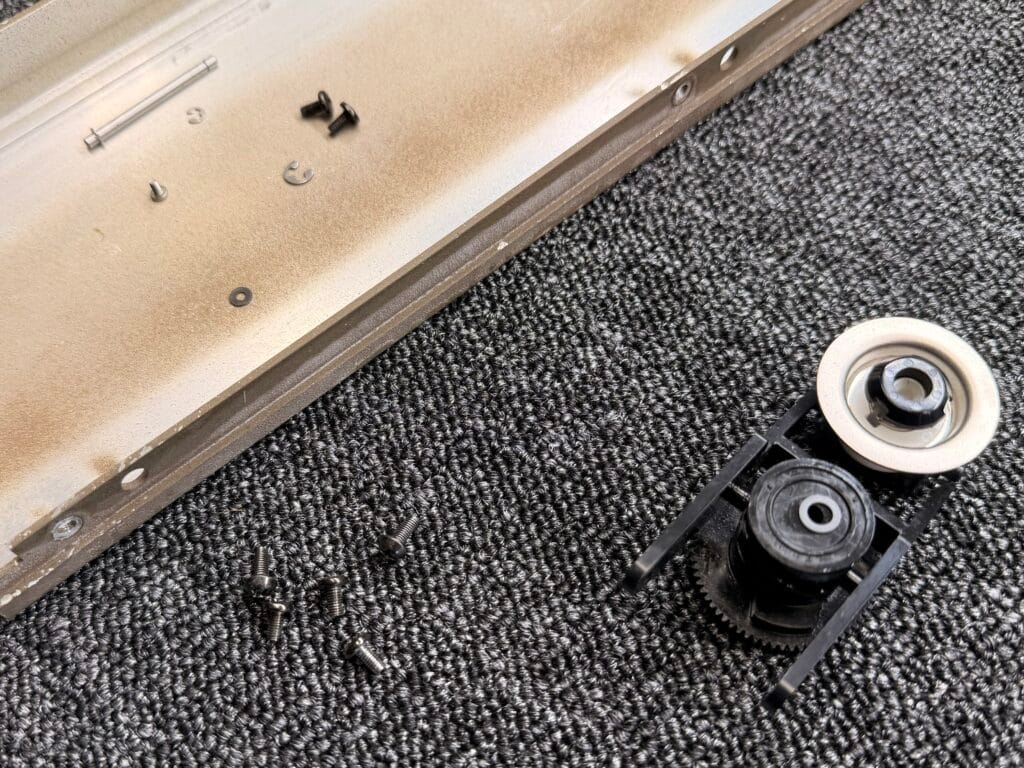
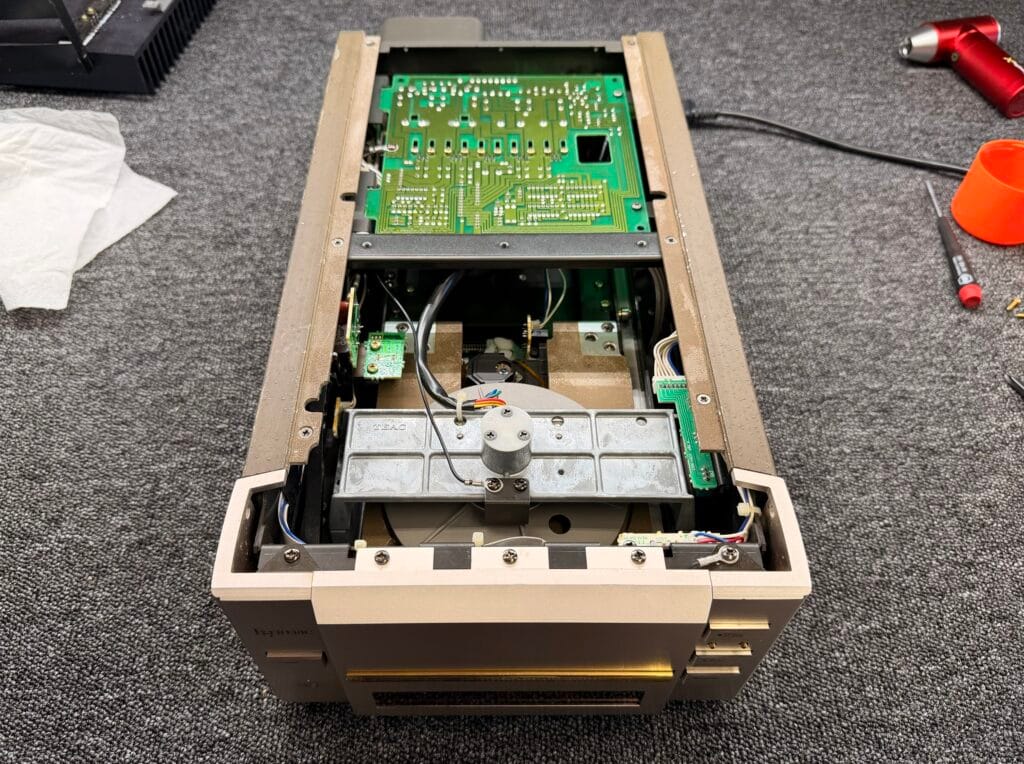
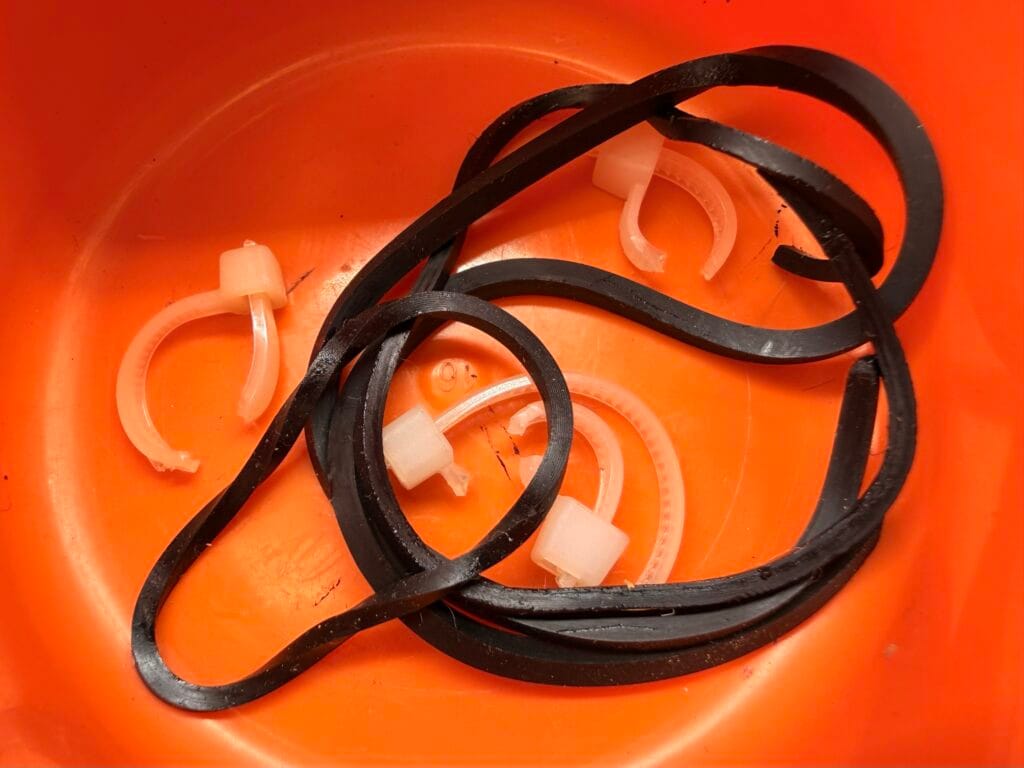
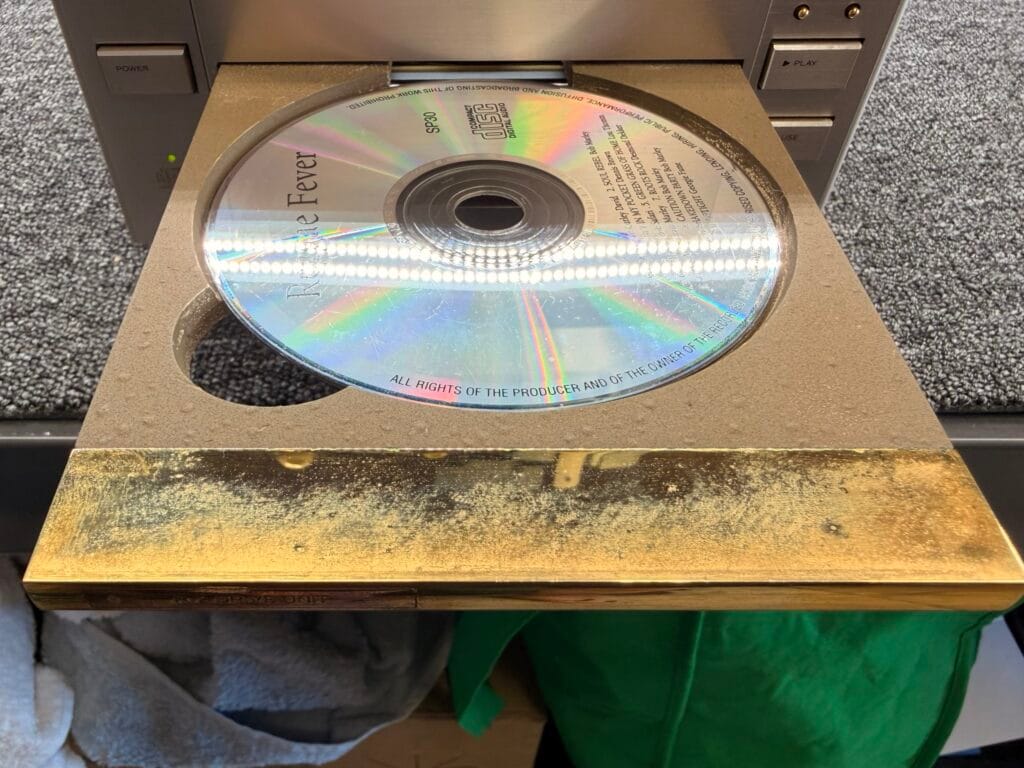
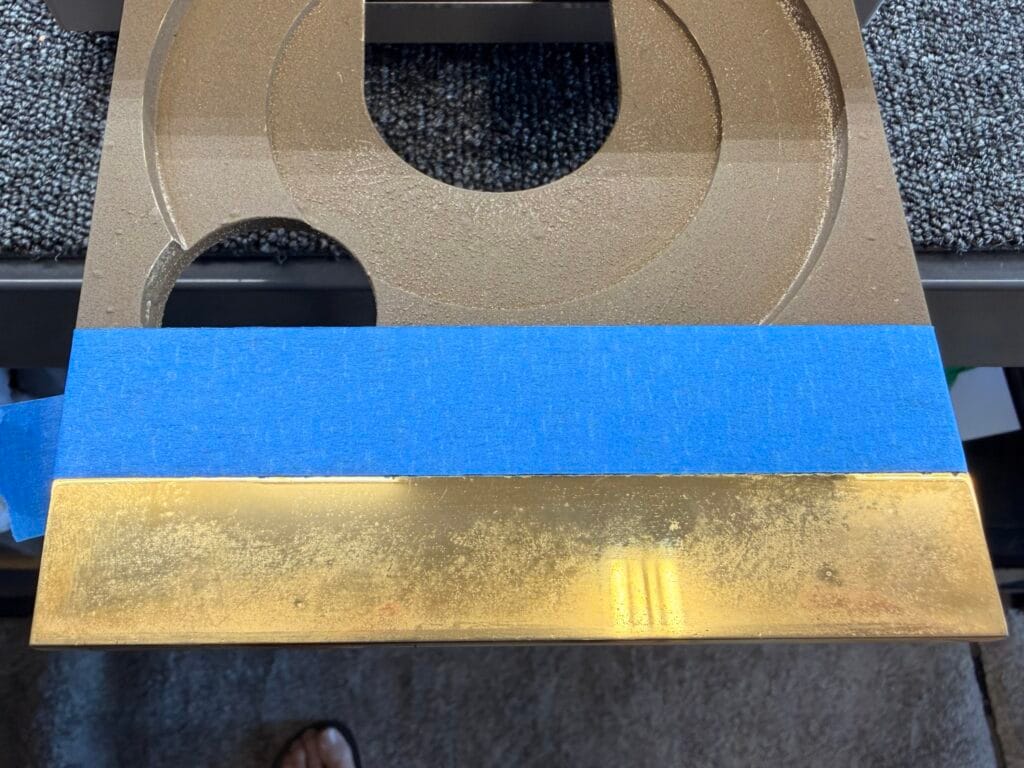
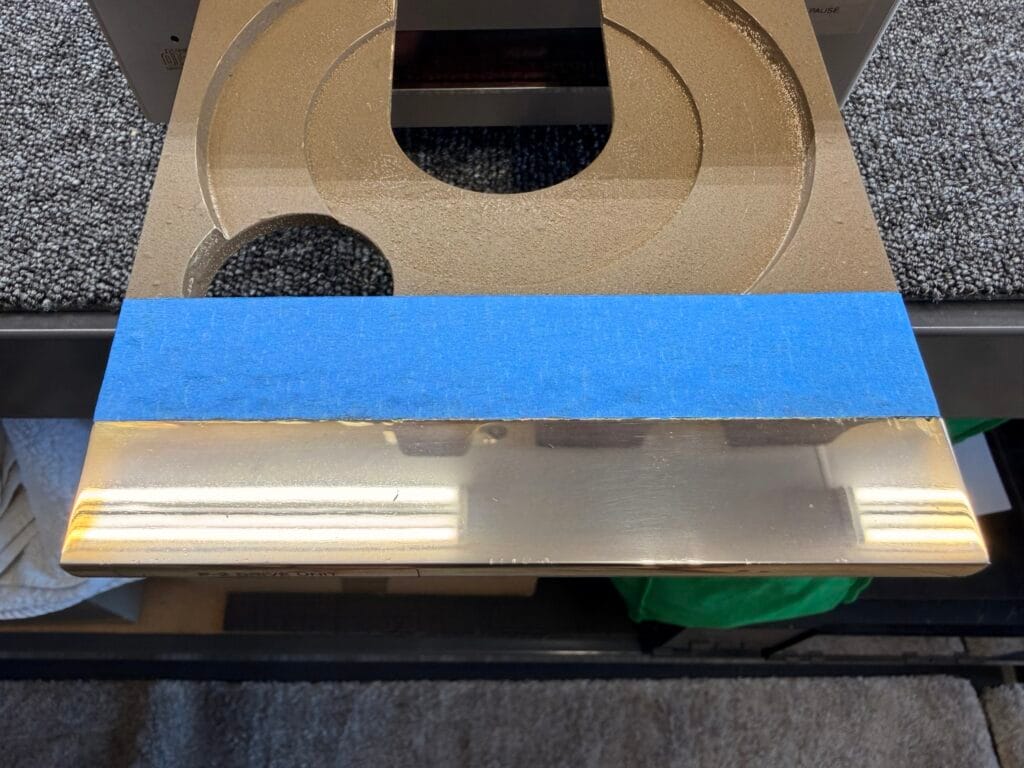
Just a little more left to do now, mainly around cleaning the loader and polishing the lovely metal frontpiece.
Results
Many readers will already know how different CD transports sound from one another and, therefore, how much difference a really good CD transport can make to a system. A high-quality transport like this or any other Esoteric/TEAC VRDS machine will significantly add to your enjoyment of Redbook CD, adding scale, nuance and air that lesser transports and integrated players miss.
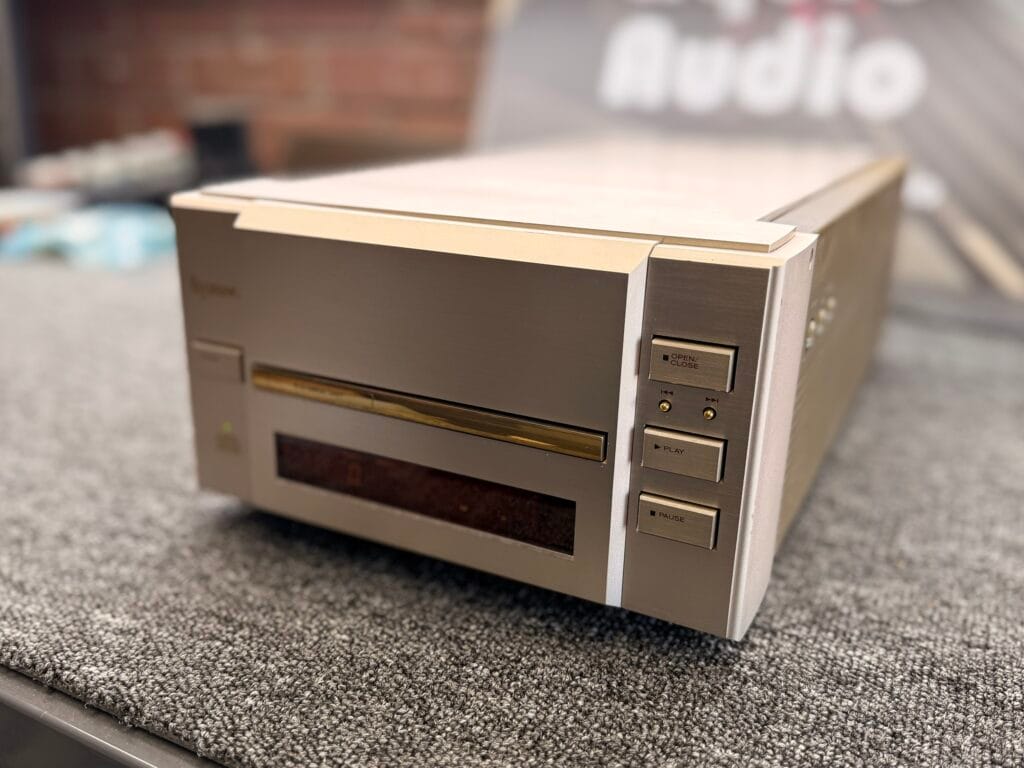
With that in mind, repairing and servicing a transport like this Esoteric P-2 is always sensible, and usually viable. This Esoteric P-2 CD transport runs as smoothly now as she did when she was new. The lasers in these and other machines using older Sony mechs are long-lived and usually not responsible for the issues these players face. Sadly, poor or absent maintenance, damaged flat-flexes and other issues usually bring these great machines down. If you have one of these that has issues, DO NOT throw it away, as they are often salvageable.
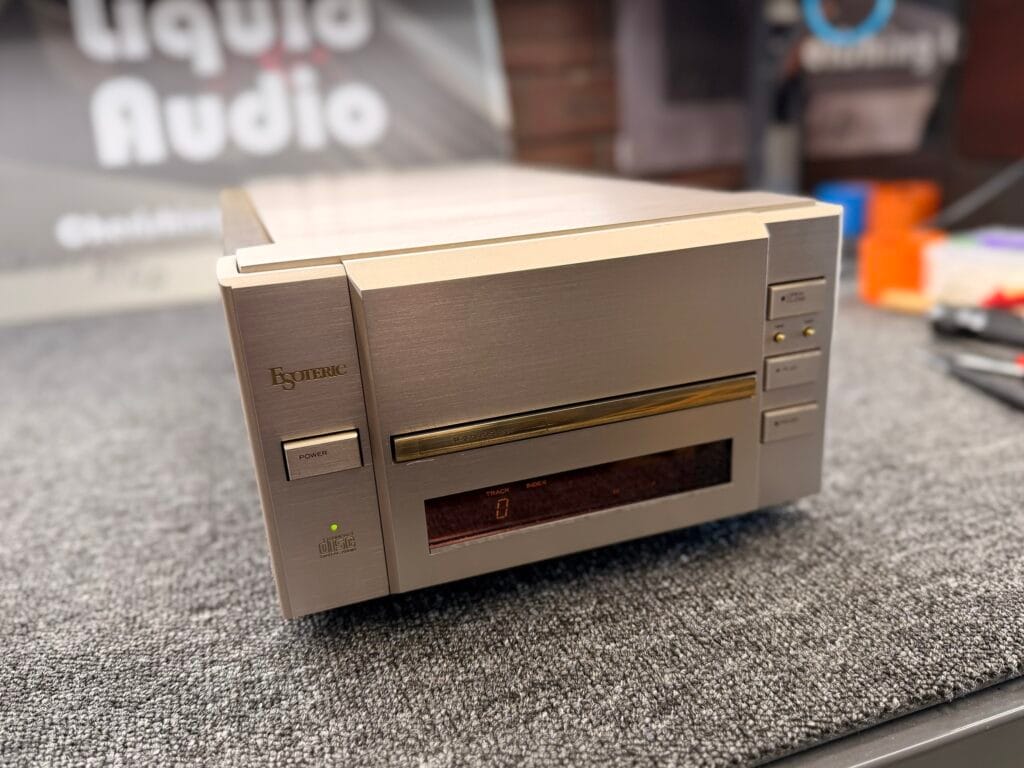
The real issues appear when lasers die, but even then, there are rebuild options using new laser diodes in many cases. Remember, all hi-fi equipment needs periodic maintenance. Just try not leave it until too many things are damaged or broken, especially with cheaper players, because this can unfortunately tip the viability scales the wrong way, and then we have to pass on bad news.
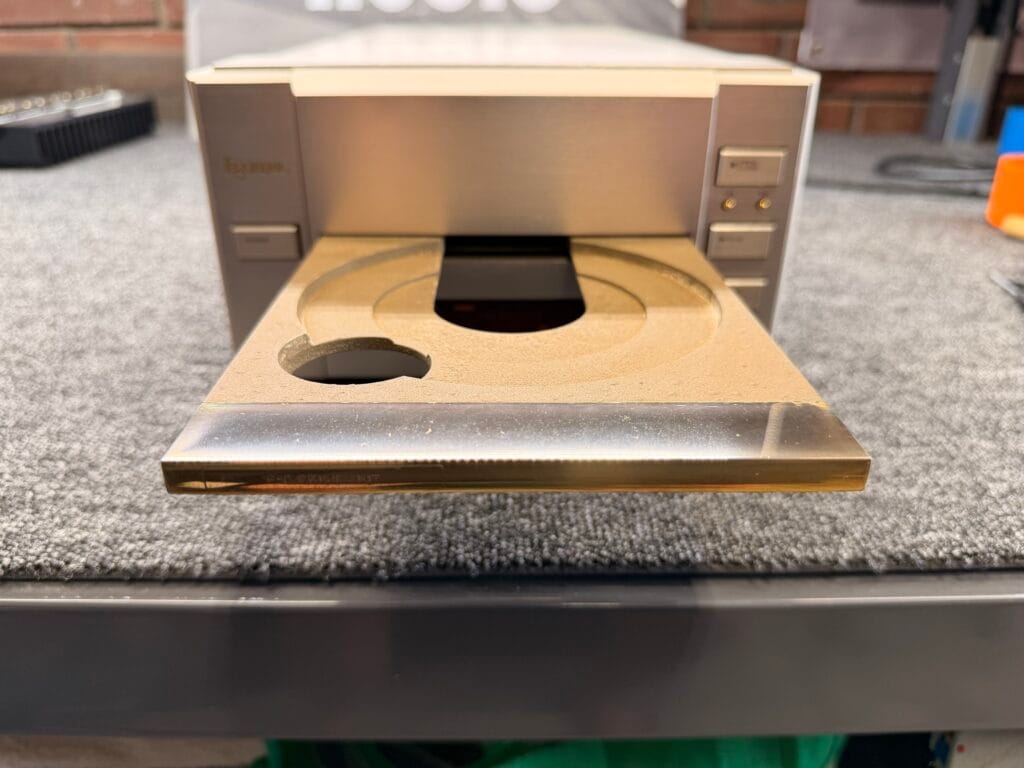
Thanks!
As always, thanks for visiting, I hope you enjoyed this article and found it informative. If you’d like me to look at your TEAC/Esoteric P-2 or any other quality CD transport, don’t hesitate to contact us. Even if I’m fully booked, it’s worth having the conversation.
Footnote: Most businesses have a landing page, a few photos, some contact details, and that’s it. This site is a labour of love, with over half a million words of unique, free content, everything created by yours truly. This article, for example, took me five hours, on a day off, which is much longer than the work itself took!
You can support me by engaging our services, commenting, liking, sharing, subscribing, spreading the word about quality-first businesses like ours and donating, using the button in the footer. There is a list of recent donors in the sidebar/footer. My sincere thanks to all of them and you for your support 🙂
Share this:

Discover more from LiQUiD AUDiO
Subscribe to get the latest posts sent to your email.
As usual a superb job done salvaging a piece oc audio history.
How did you cope with that decomposing Nextel stuff?
I have two Wadia WT-2000s’s which are based on the Esoteric P2s transport with the bronze platter like in the Wadia 7. Wadia separated the transformers and bridges of the powersupply in a housing of their own connected with a thick umbilical cable. I have the latest incarnation of the accompanying 2000 Decoder with volume control and the combination is marvelous.
They do need maintenance and I bought two of them so one can be repaired while the other will keep playing hopefully. I also buy Sony donorplayers for the KSS-151A laser unit but ther are other solutions I understand to get the laser unit serviced in Japan.
Nextel is luckily only on the CD trays of the Wadia’s. They go from grey to white.
I believe the Esoteric P1 does not have this Nextel stuff.
My Sony CDP-557 ESD does not have the problems that the Wadias have with reading the TOC and skipping parts.
These players have other laserunits and these superb laserunits are also in the Accuphase DP-80 transport.
About Nakamichi, did you ever serviced a 1000 ZXL deck?
Thanks Robert, that’s very kind of you. I’ve worked on a Wadia WT-2000, but that customer didn’t want to pay to have it fixed, which I always found silly, as the work would have been similar to that which was needed here. I’ve worked on many Naks and still own my 670ZX, but I avoid most of them these days, due to the amount of work needed and therefore the cost. I’ve not worked on a 1000ZXL.