
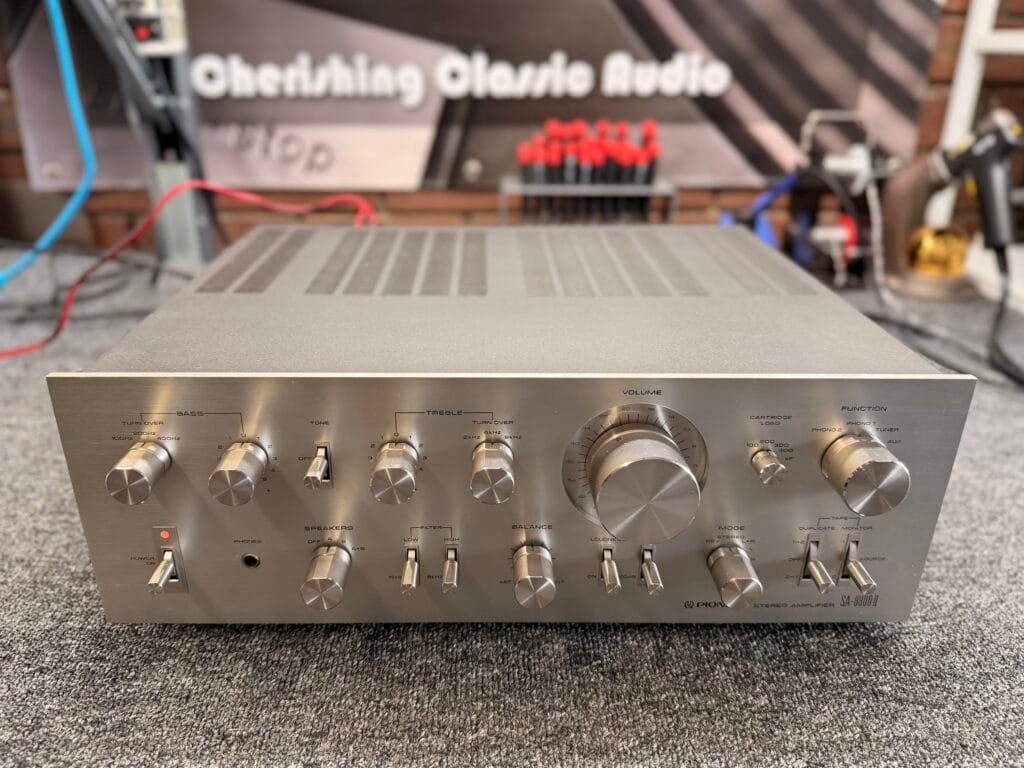
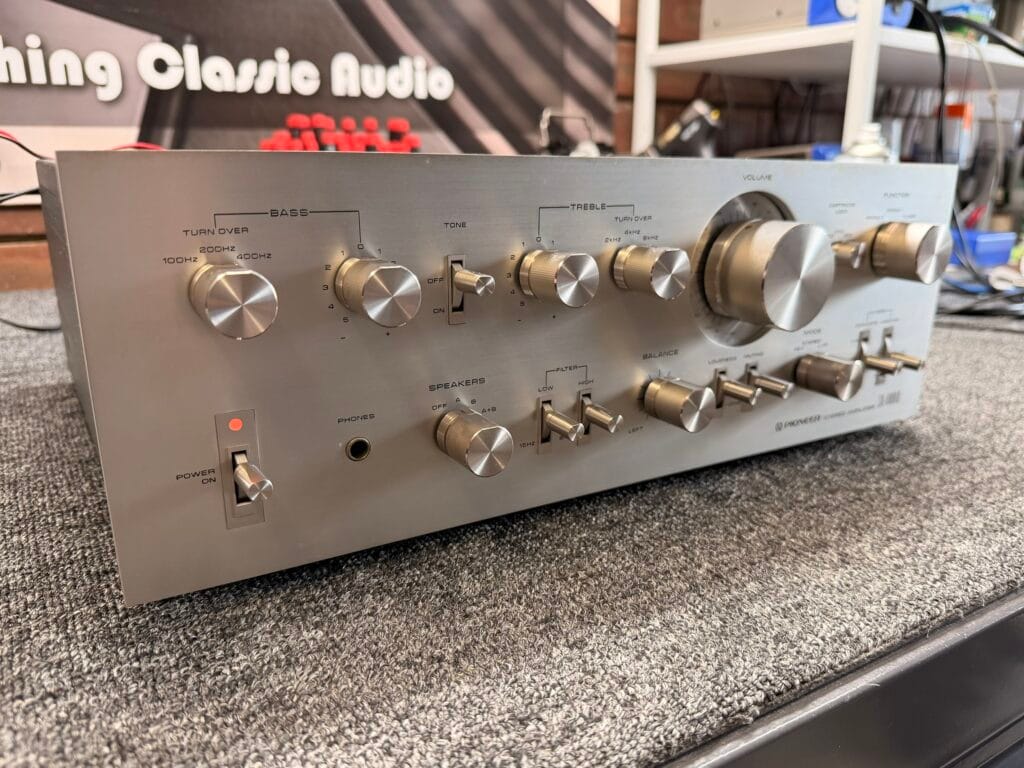
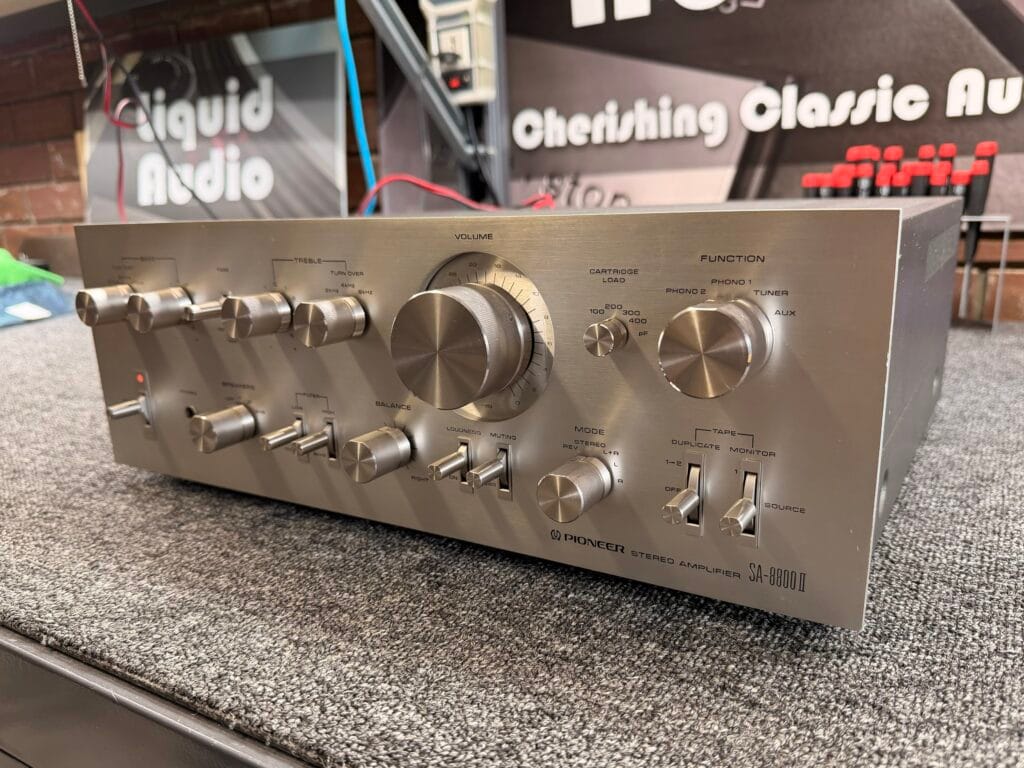
Join me this time as I bring a beautiful Pioneer SA-8800 II integrated amplifier back to life!
I should preface this article by noting that I’ve probably repaired a couple of dozen Pioneer SA-8xxx and SA-9xxx amplifiers over the last couple of years, including this stunning Pioneer SA-8900 II, and this SA-9800. The problem for me is that after a month or two, they are gone from my mind. The easiest stories to write are always the ones I’ve just finished, so with that in mind, let’s dive into my repair of this gorgeous Pioneer SA-8800 II.
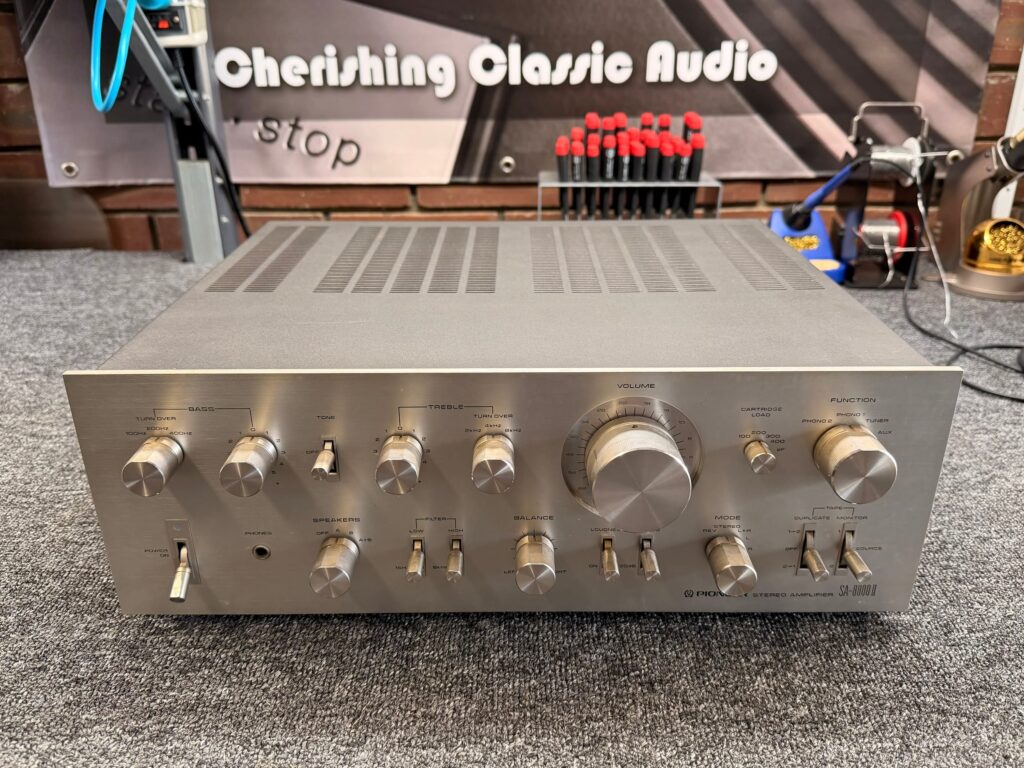
Background
Having worked on Pioneer SA-8500 II and SA-8800 II integrated amplifiers, as far as I can tell, they are basically the same thing: beautifully built and styled dual mono integrated amplifiers, with a transformer, two filter capacitors and a bridge rectifier per channel, lovely discrete phono and tone stages, lots of quality parts and classic true hi-fi performance.
With a decent 60 Watts a side and a fully discrete design, these amplifiers really do look and sound fantastic. The only issue with them, or perhaps the only two, relates to age. Age means lots of transistor trouble with these, and whilst the output devices tend to be blameless here, if they fail, it’s a problem, due to the unobtainable MT-100 output device package.
If they made something like the SA-8800 II now, and I genuinely wish they did, Pioneer would have to sell them for many thousands of dollars, such is the level of engineering and the amount of metal involved. Instead, today we are relegated to accepting plastic, Bluetooth class D amplifiers that last five years and being told they’re as good. Absolute madness, and you mustn’t fall for it.
I knew something was up when the magazines kept saying how new models always sound better than the old ones. Extrapolate that out far enough, and this nearly 50-year-old Pioneer SA-8800 II must sound like garbage, with nearly 50 years of significant annual improvements, right..? Riddle me this, then: Why does it sound better than any affordable new integrated amplifier I’ve ever heard, and I’ve heard a few? A long time ago, I wrote an FAQ about that!
This particular unit came straight from Japan to me, and I’m glad it did, as it had several quite significant issues. Nothing solvable by ‘recapping’ here, but nothing that a methodical technical approach couldn’t solve, and we fixed all of the issues, as you will see.
Thankfully, her owner, one of my best customers and owner of some absolutely lovely pieces, paid so little for this unit that he has still come out well in front on this one. He deserves it, too, after what he dealt with back in the ACT.
Pioneer SA-8800 II Specifications
Courtesy of our friends at HiFi Engine
Power output: 60 watts per channel into 8Ω (stereo)
Frequency response: 5Hz to 50kHz
Total harmonic distortion: 0.05%
Damping factor: 30
Input sensitivity: 2.5mV (MM), 150mV (line)
Signal to noise ratio: 75dB (MM), 95dB (line)
Output: 150mV (line), 1V (Pre out)
Semiconductors: 47 x transistors, 29 x diodes
Dimensions: 420 x 150 x 376mm
Weight: 13.9kg
Issues
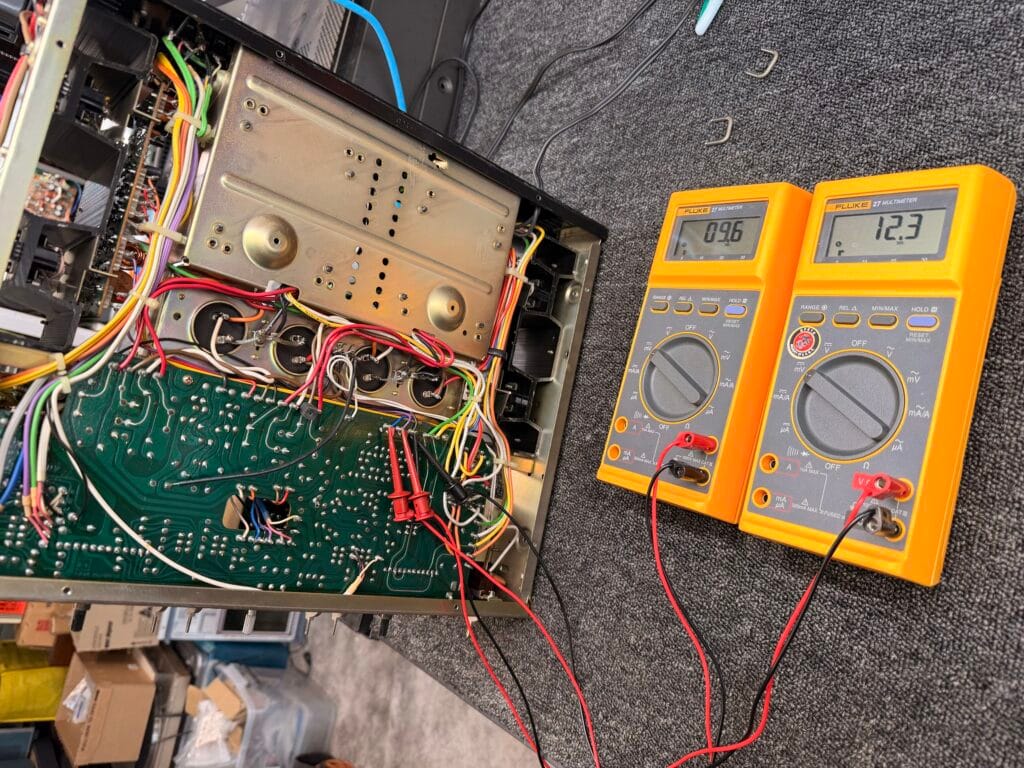
Alright, so when I first tested this Pioneer SA-8800 II, it displayed scarily unstable bias current, worst in the right channel, which made me turn her off immediately upon discovering it. This is why using a variac to gradually bring an amplifier like this up to line voltage, whilst monitoring important parameters like power consumption and quiescent current, is so critically important. It can literally spare them from spectacular failure.
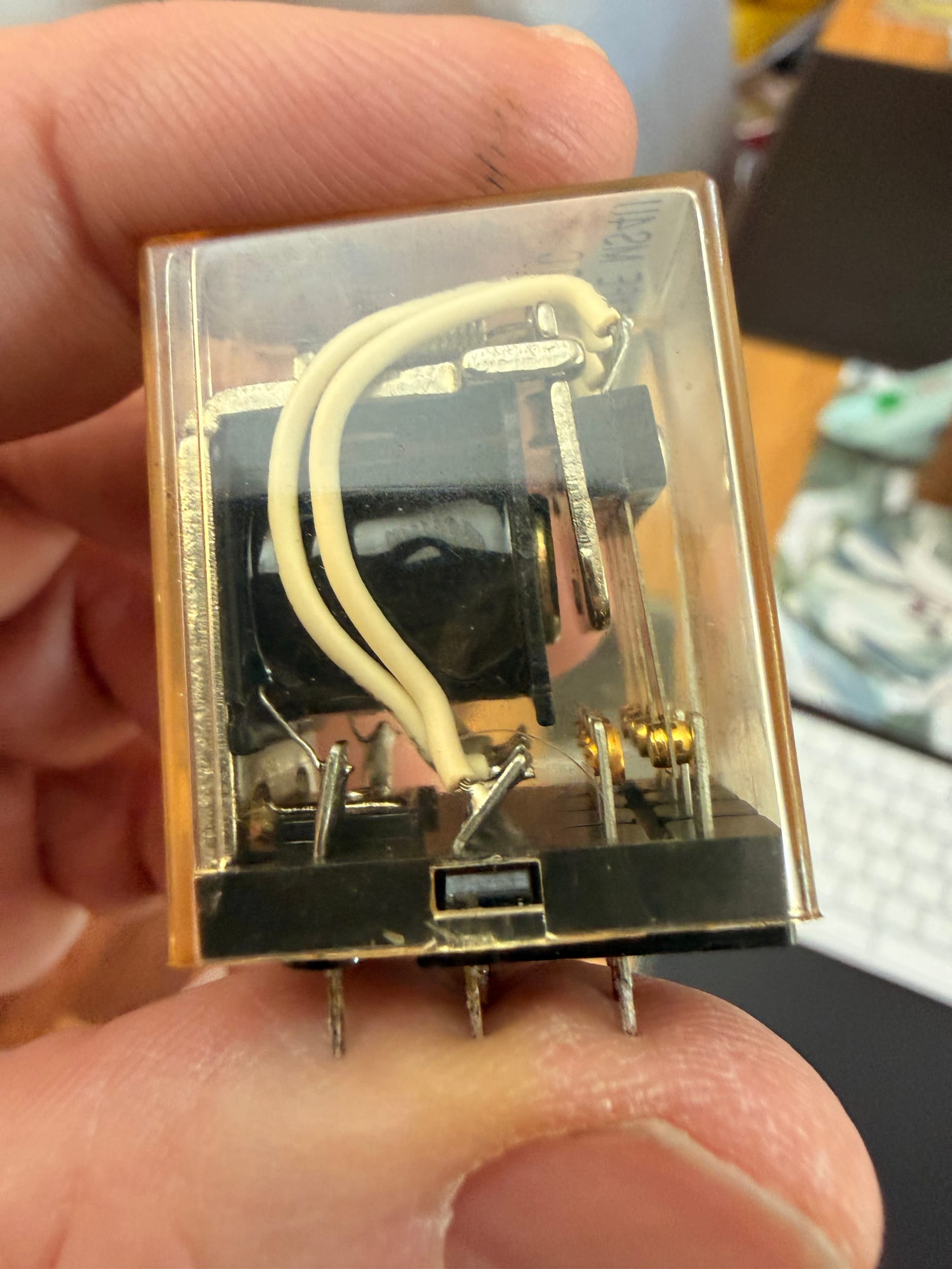
She was also crackling, popping, and I could only get sound from one channel. It turns out that there was a series of nested faults that I had to solve one at a time, and each time I fixed something, the amplifier behaved a little better, with one of the audible or measurable problems disappearing.
Here is the list of issues I discovered with this Pioneer SA-8800 II:
- Unstable/fluctuating quiescent current in the right channel
- Sound only from the left channel
- Outrageous crackling and popping from all inputs, even with pre- and power amps separated
- No gain whatsoever in the phono preamplifier
- Horrendous phono preamplifier noise
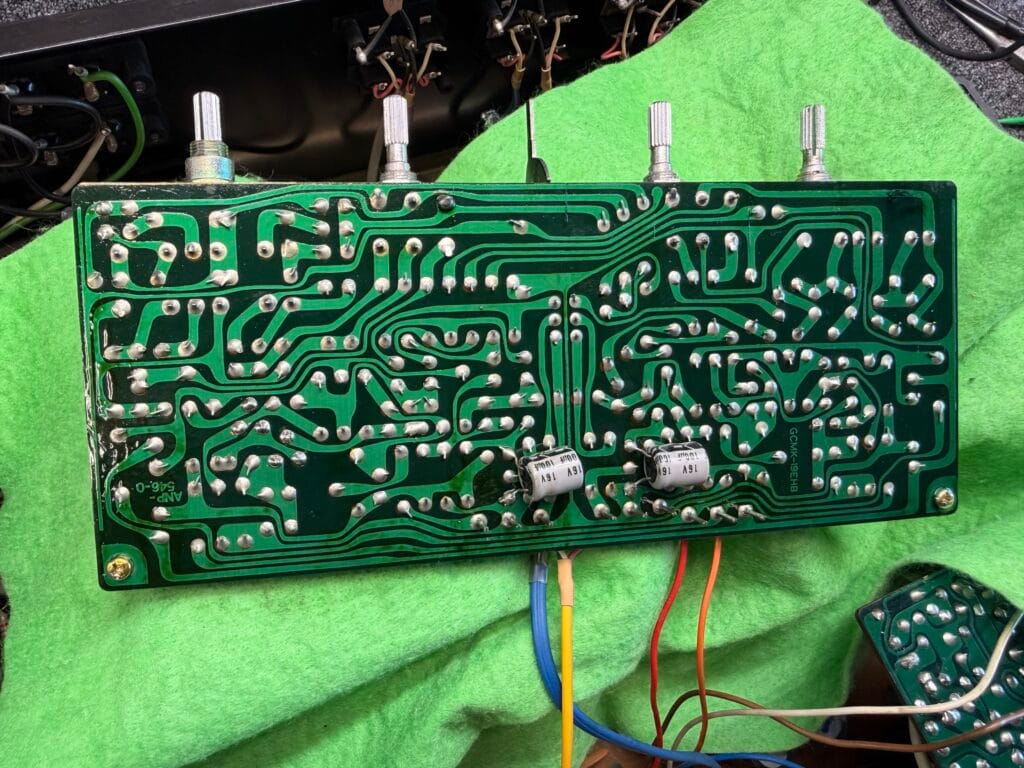
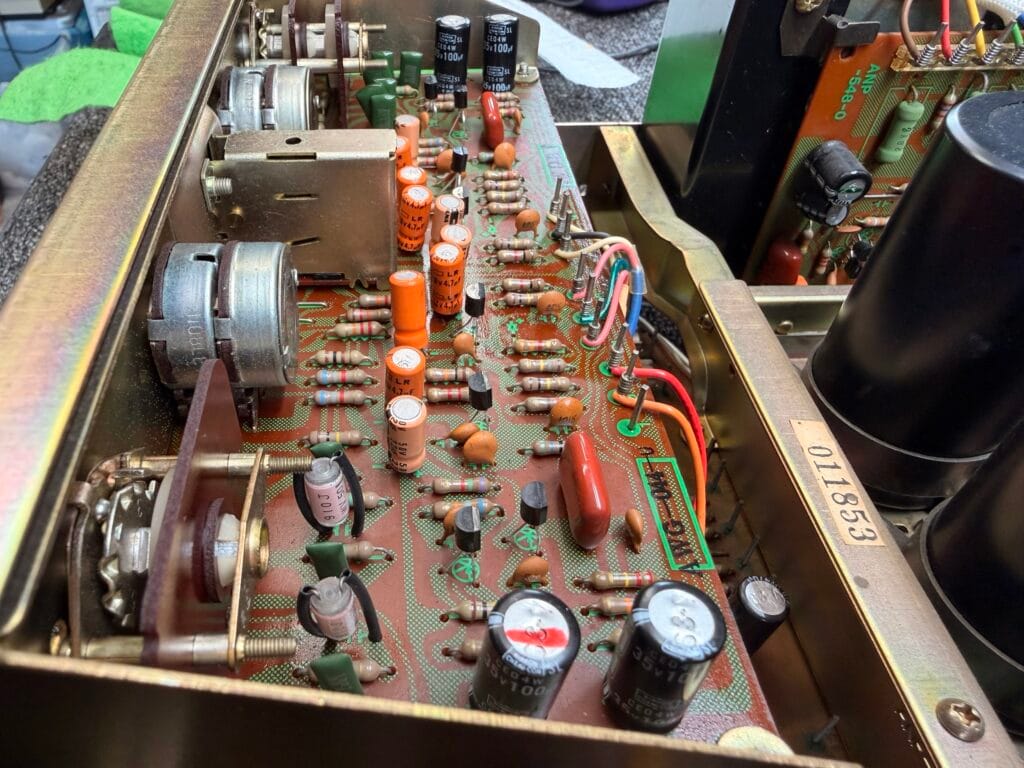
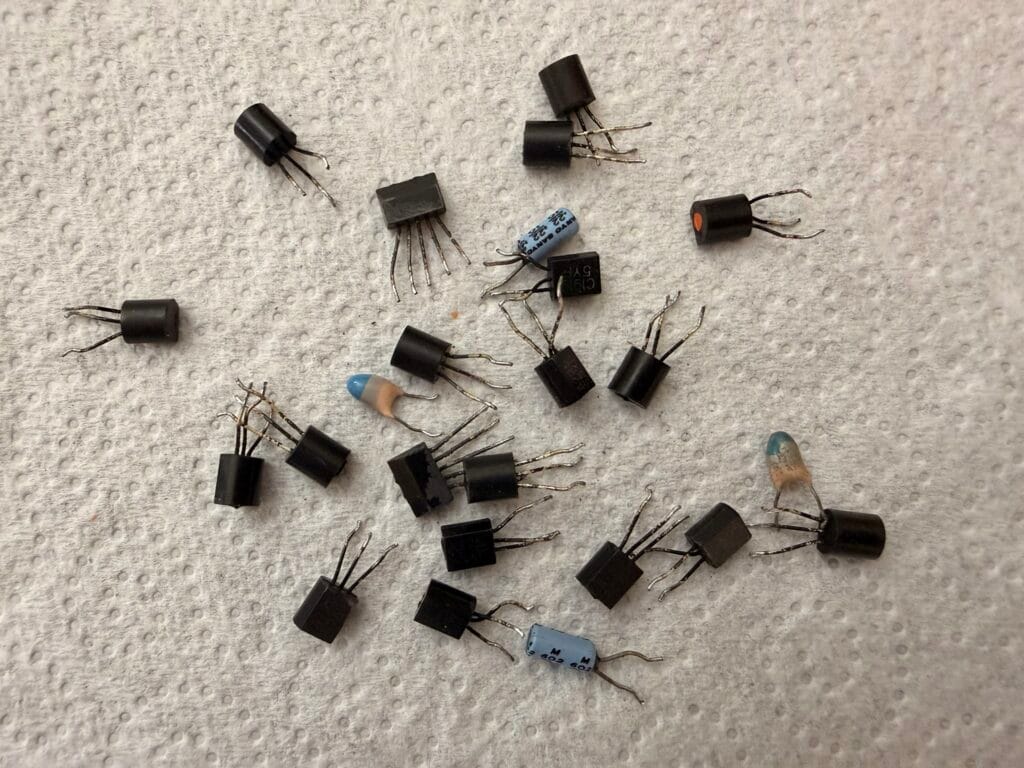
I’ve explained many times why recapping in a case like this is ineffective and a waste of time and money, and I don’t think I could have found a better example to prove my point. This unit needed four tiny new capacitors, yes, but recapping her would have basically solved nothing! She actually needed an almost complete small signal retransistoring, though!
Why, you might ask? Great question. In a case like this, so many of the small signal transistors are 1) problematic types that people working professionally on hi-fi equipment know are problematic, and 2) test OK under light loads, but perform terribly in circuit under normal loads and voltages.
The only reliable way to proceed here was to replace all the problematic TO-92-type devices in the phono and tone amplifiers, and the input differential pairs in each main amplifier module. After that and a bunch of incidental work, she ran perfectly once again. Maybe we can make retransistoring a thing, maybe it already is; I don’t know or care, I avoid the forums and treat each piece on its merits, as all who work on such equipment should 🙂
Repair
Without further ado, let’s dig into the repair process.
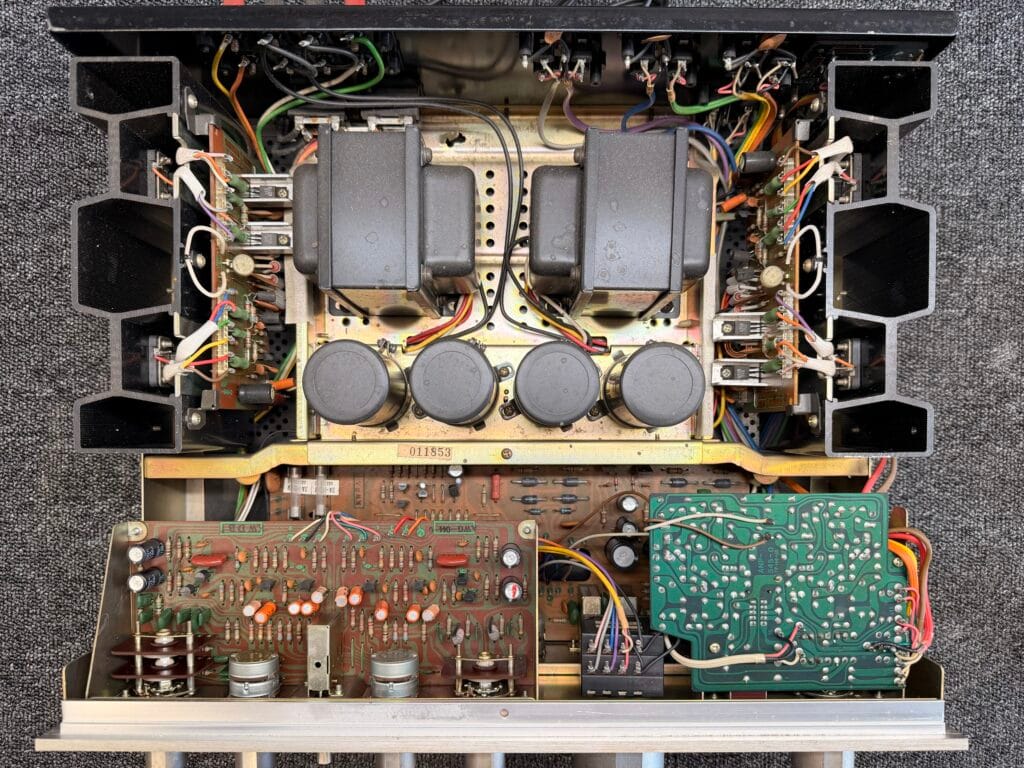
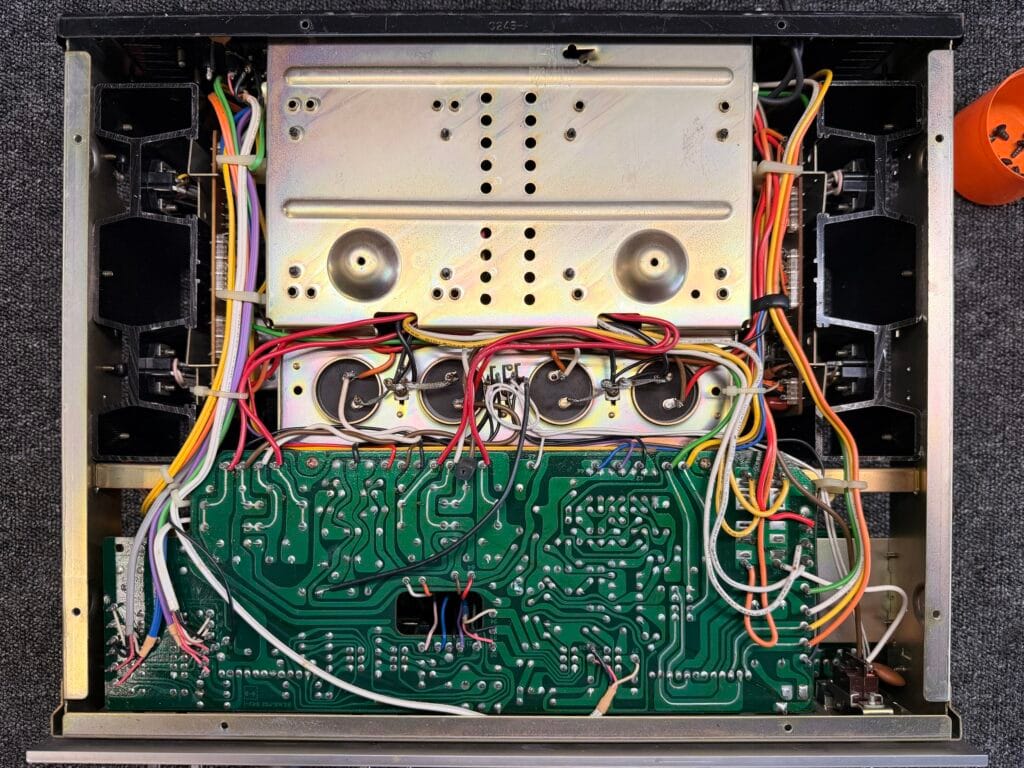
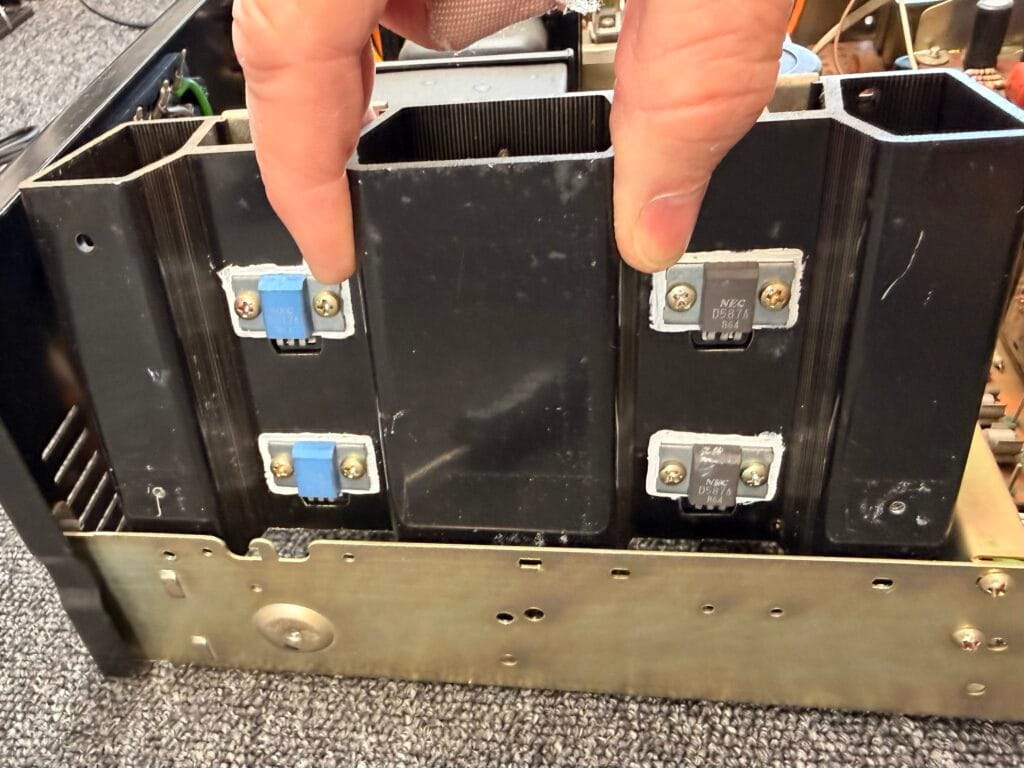
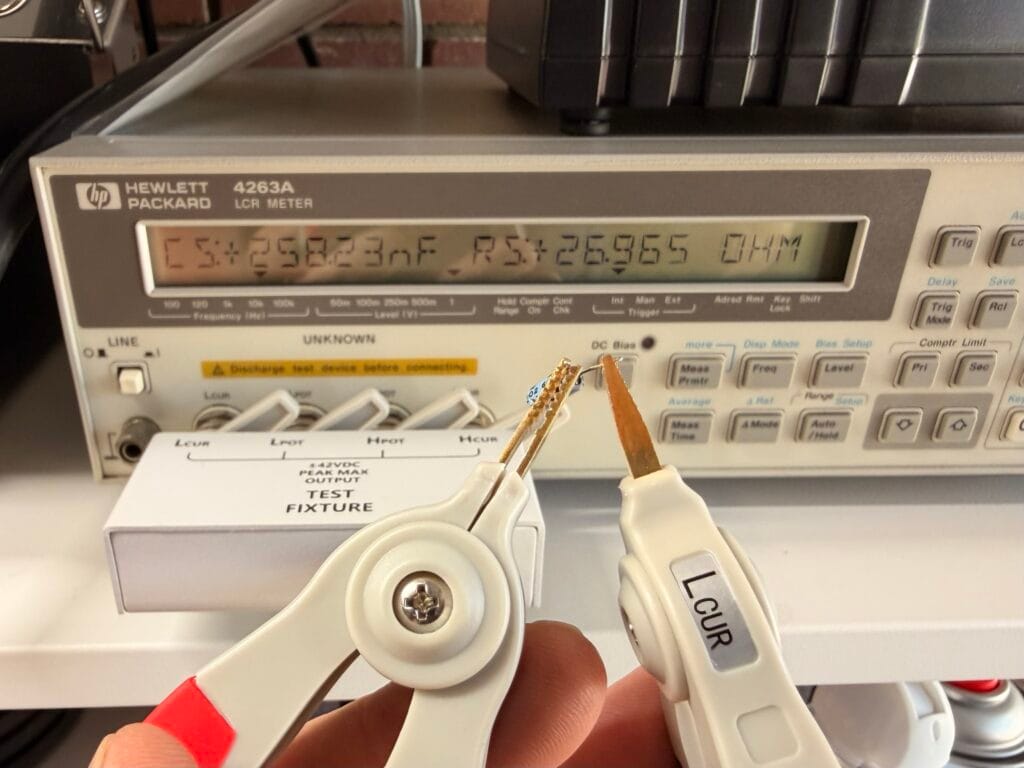
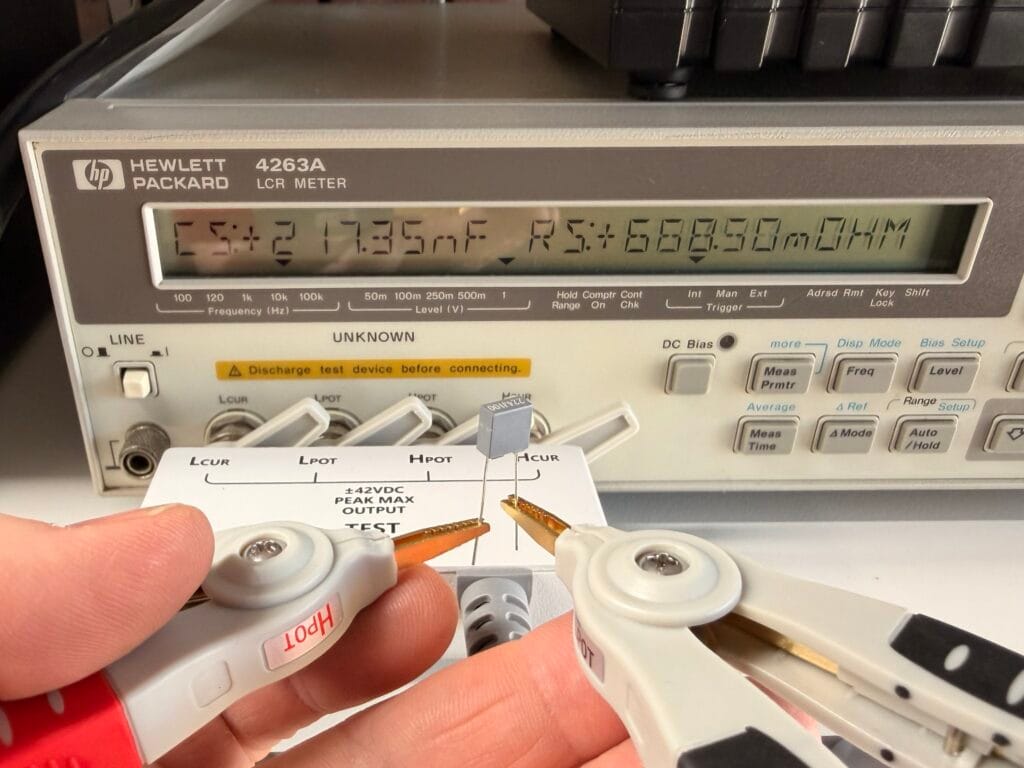
Rather than guessing about any of this, the simple answer is to measure everything and build the knowledge base, one component at a time. We don’t need forums and guesswork for this; we can actually just measure stuff. Yes, equipment like this is expensive, but there is no substitute for proper lab-grade gear, and there are no cheap Chinese equivalents that can provide this level of precision, repeatability or reliability.
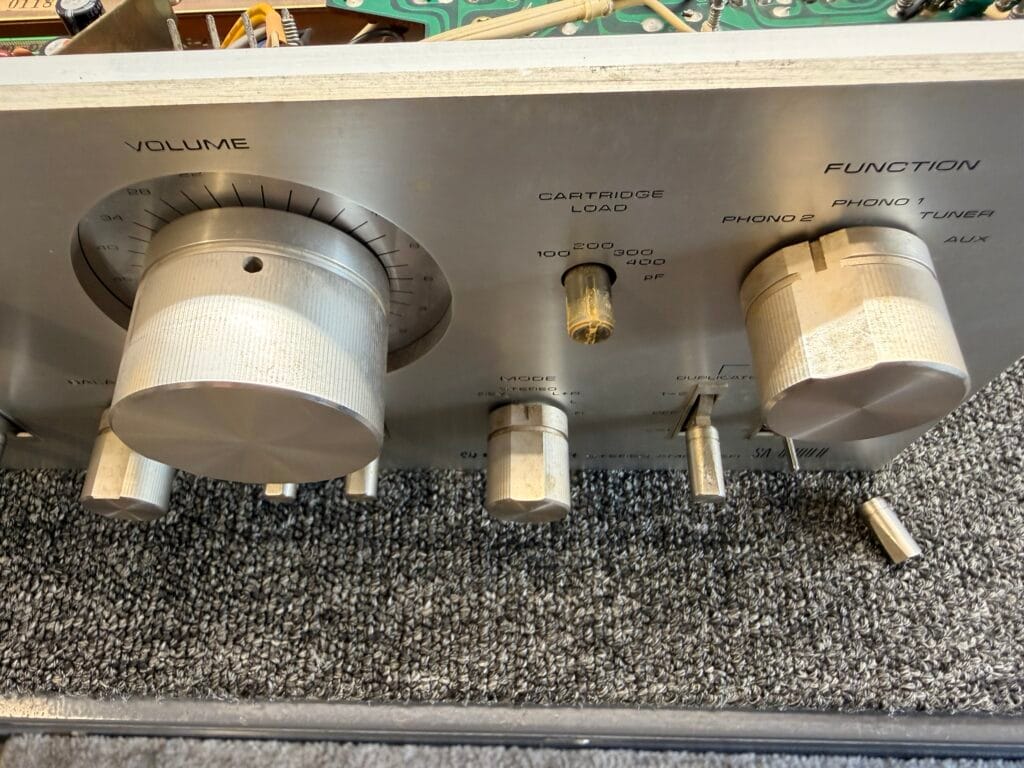
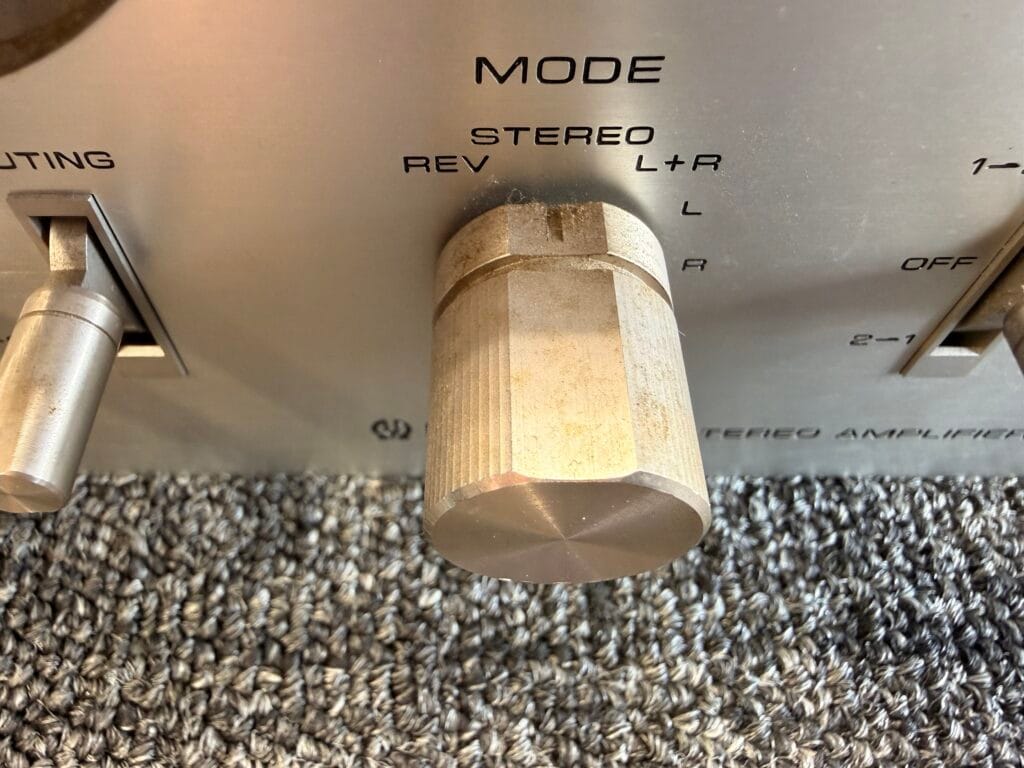
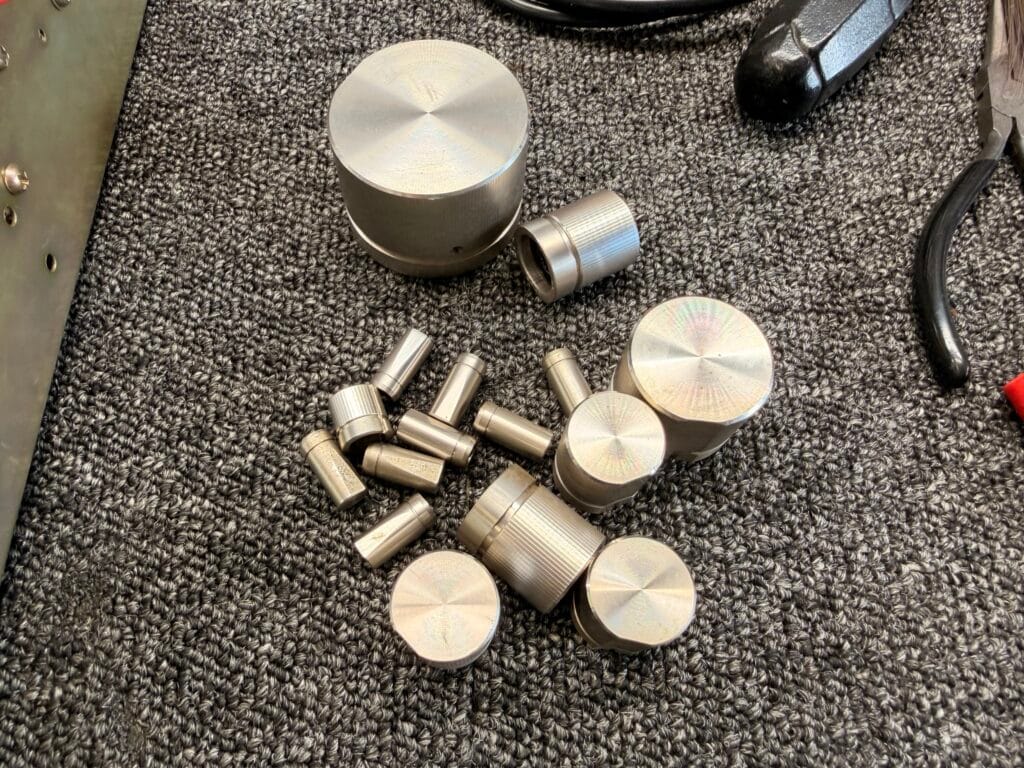
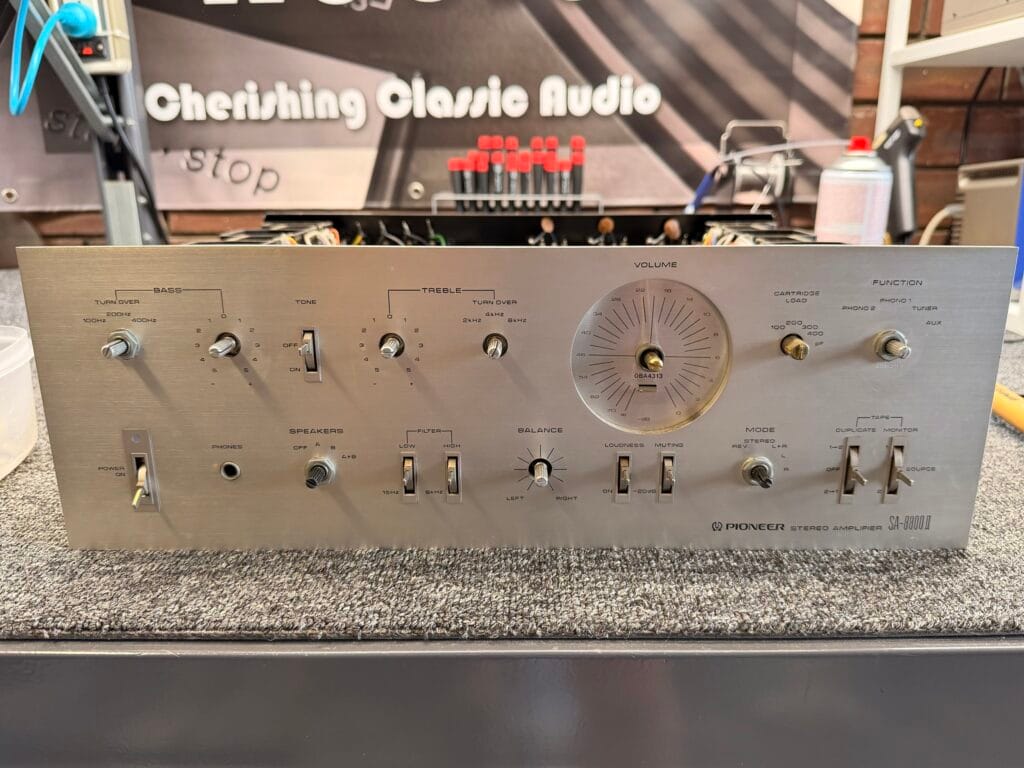
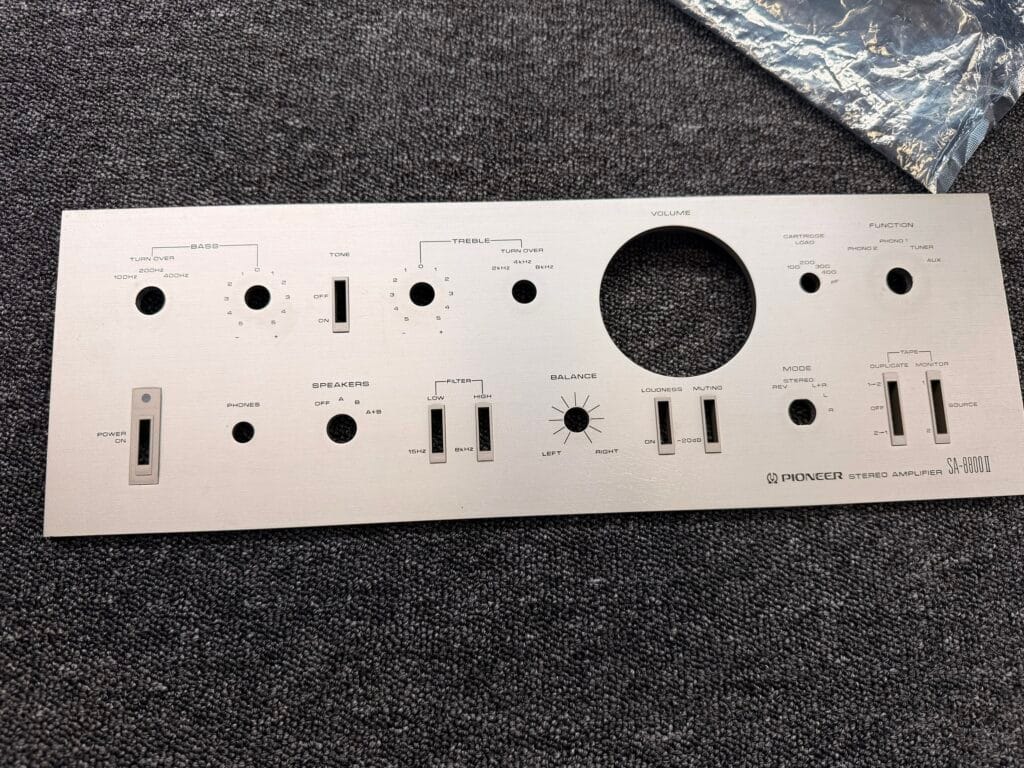
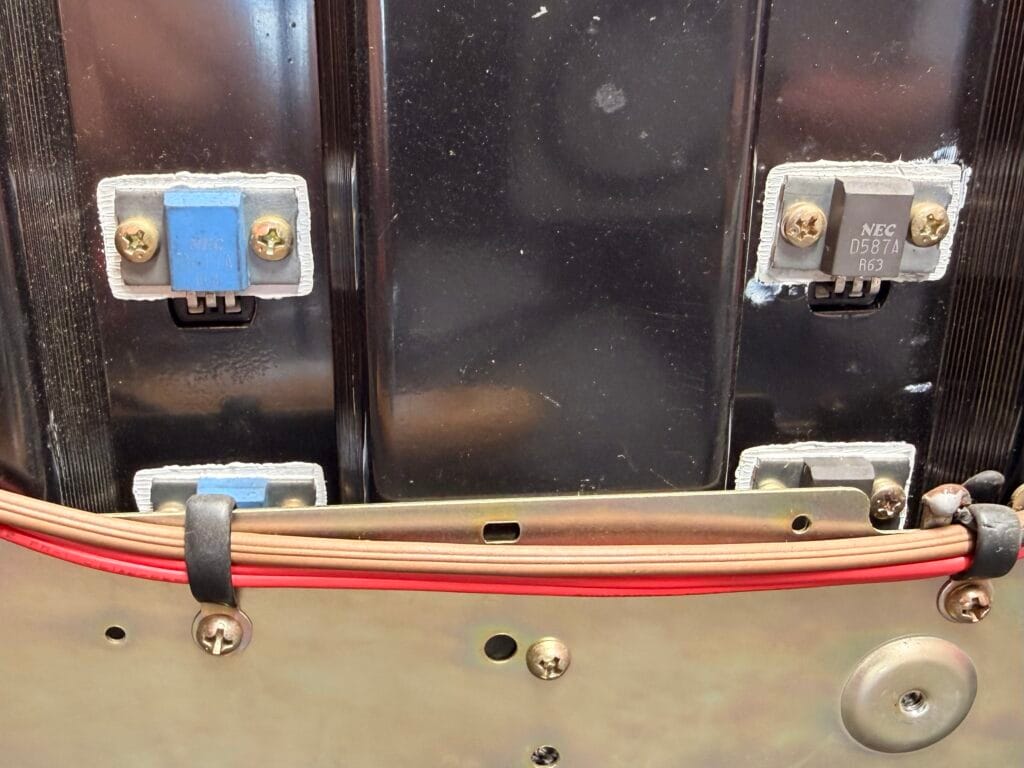
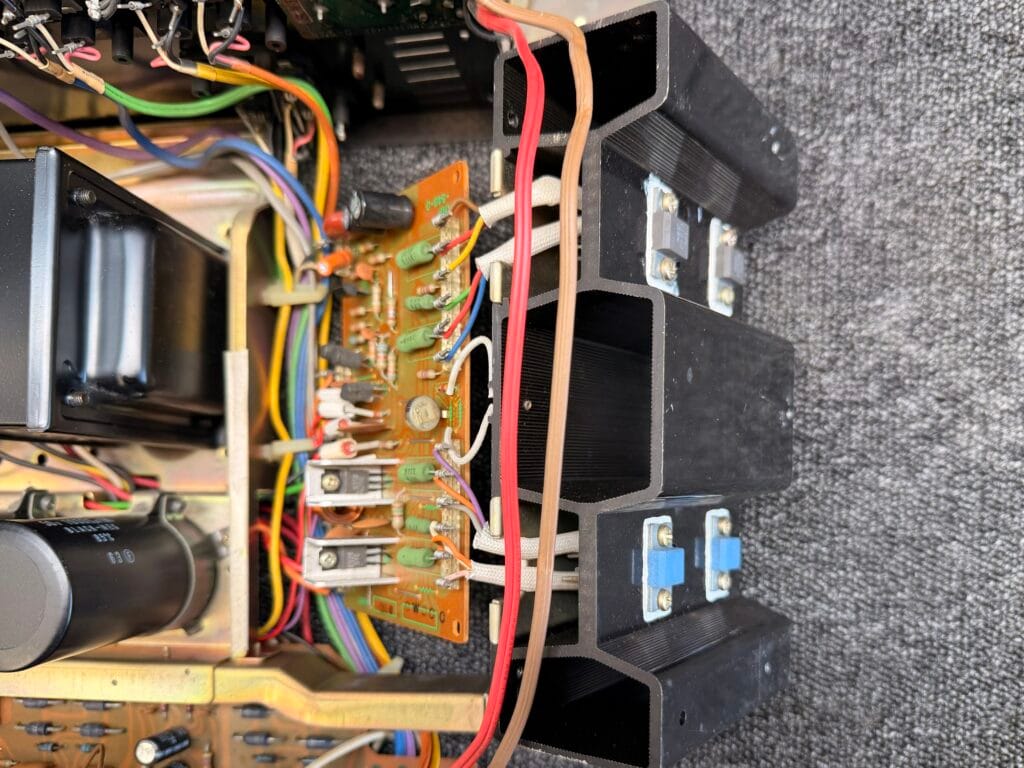
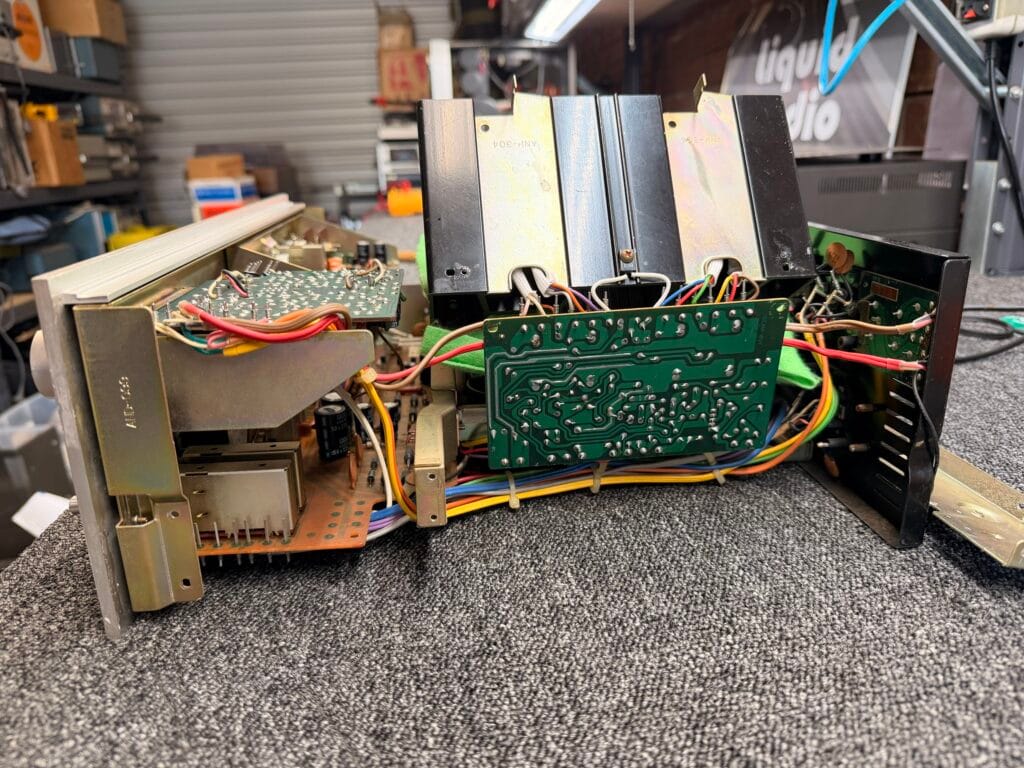
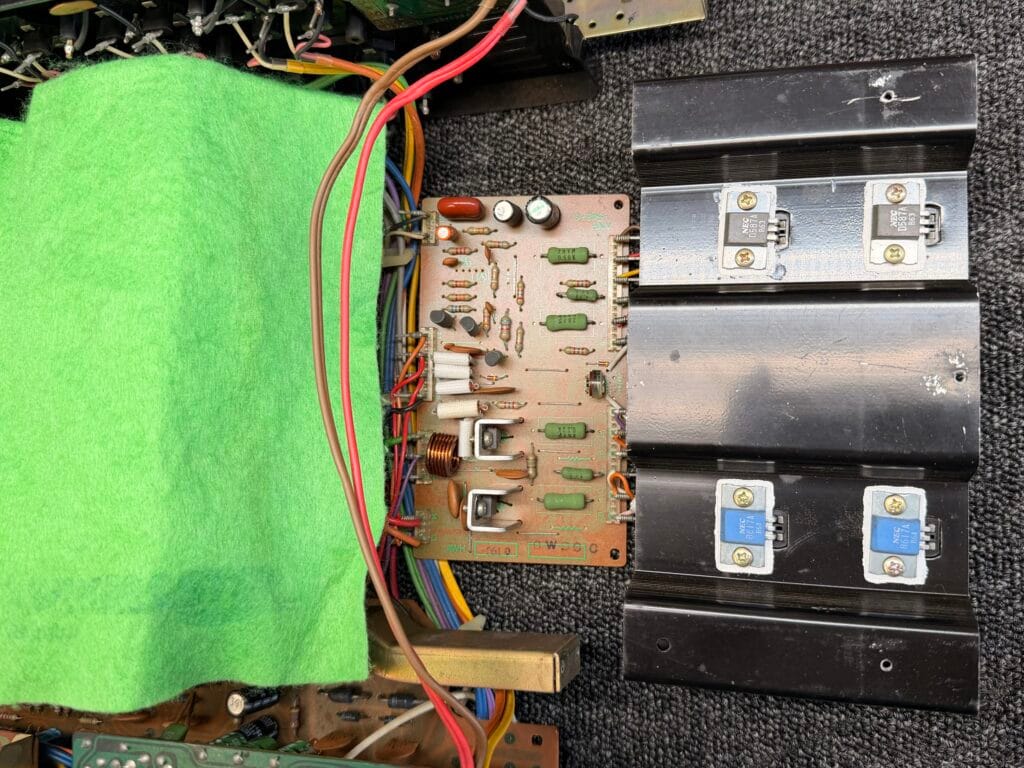
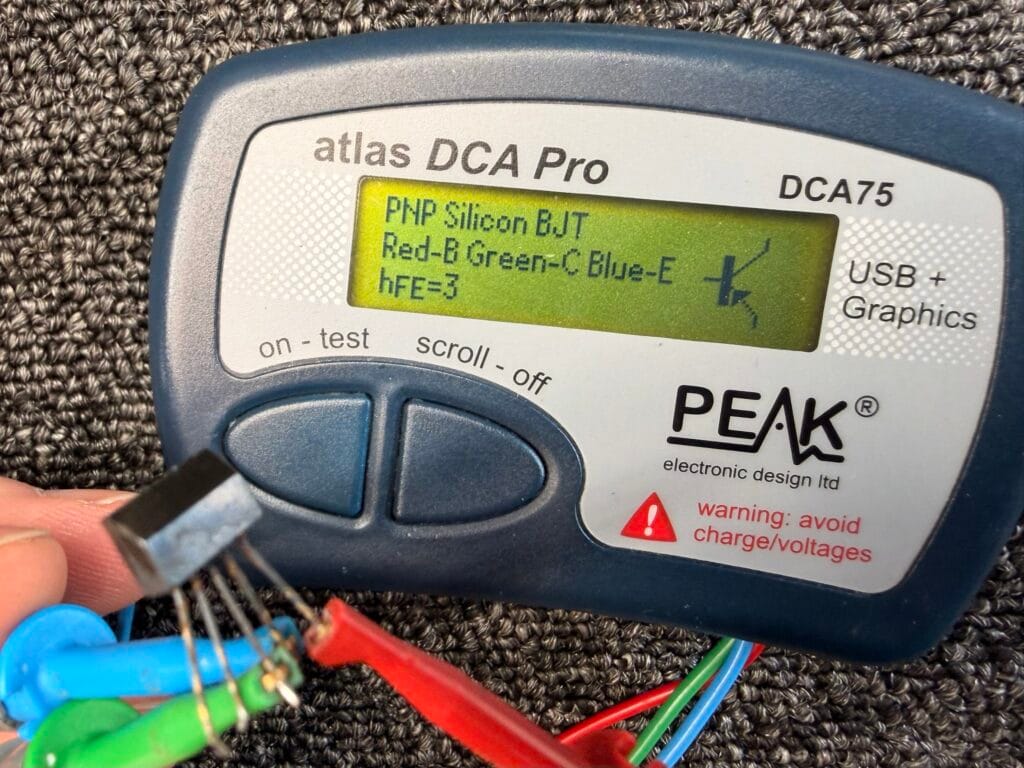
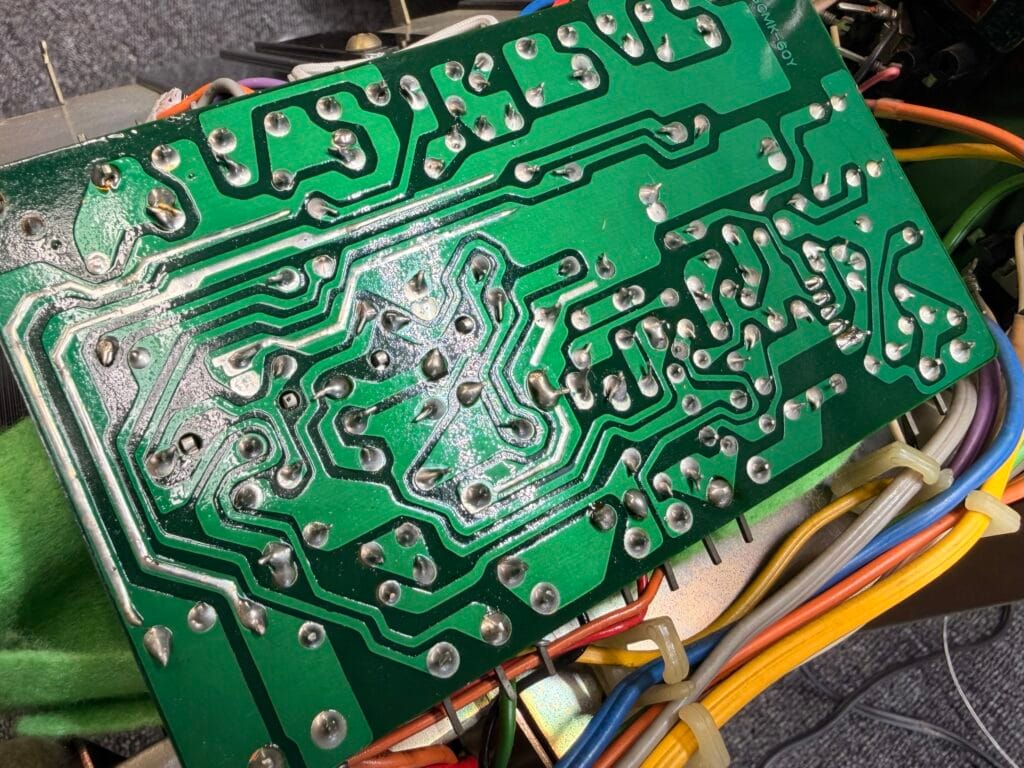
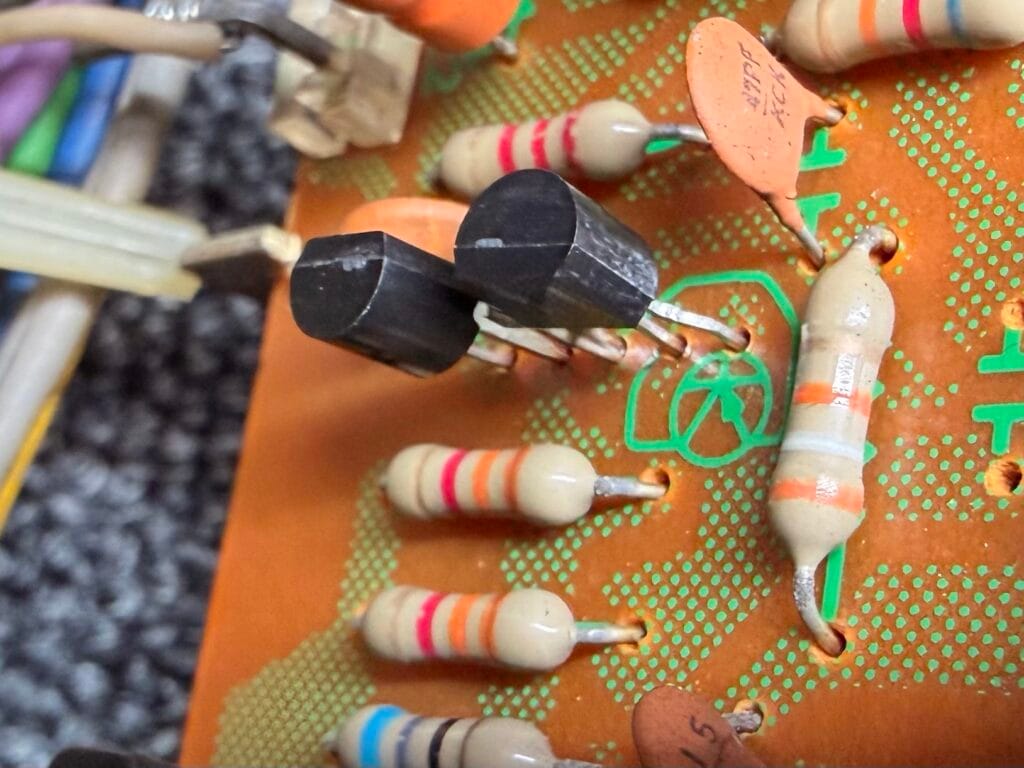
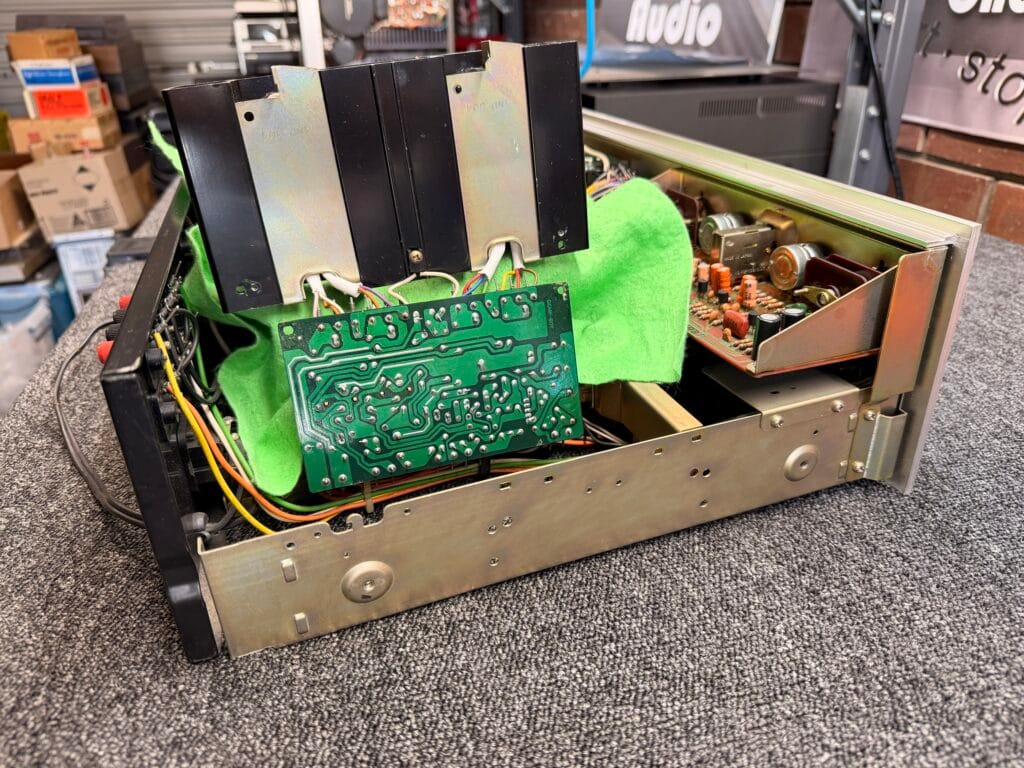
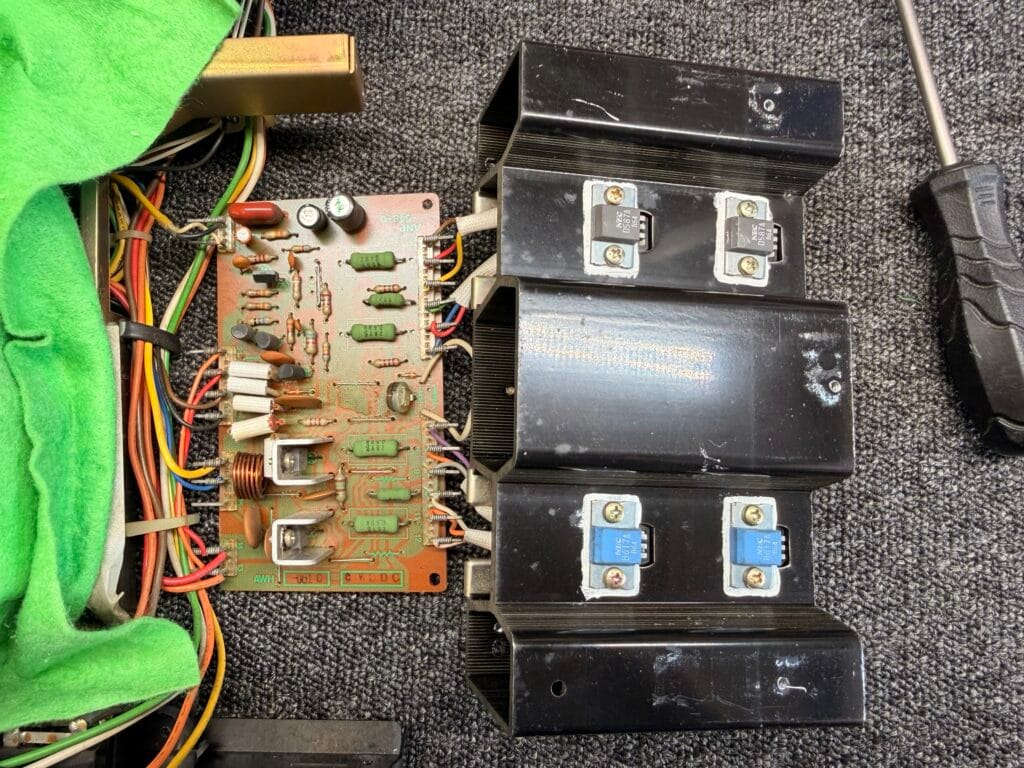
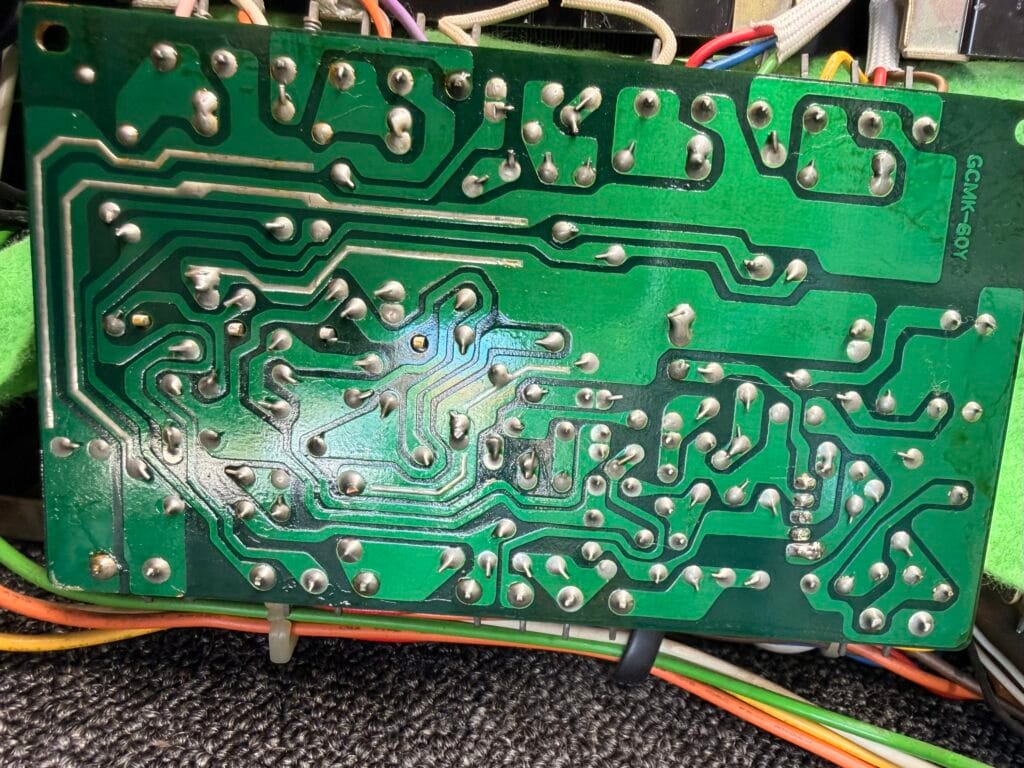
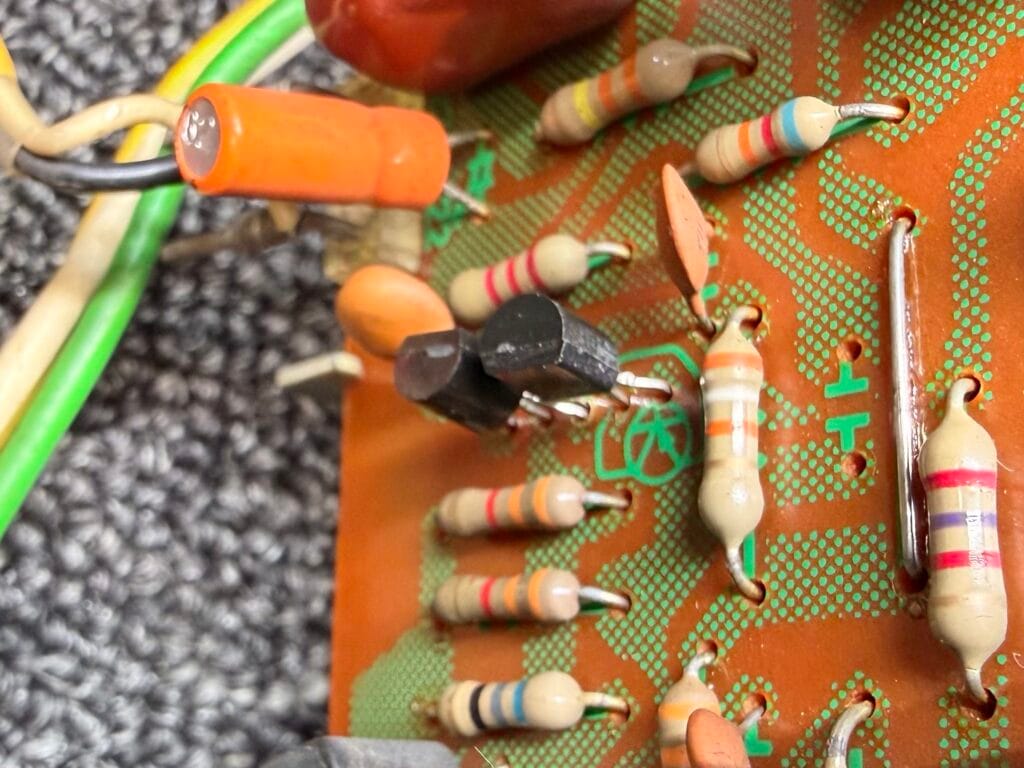
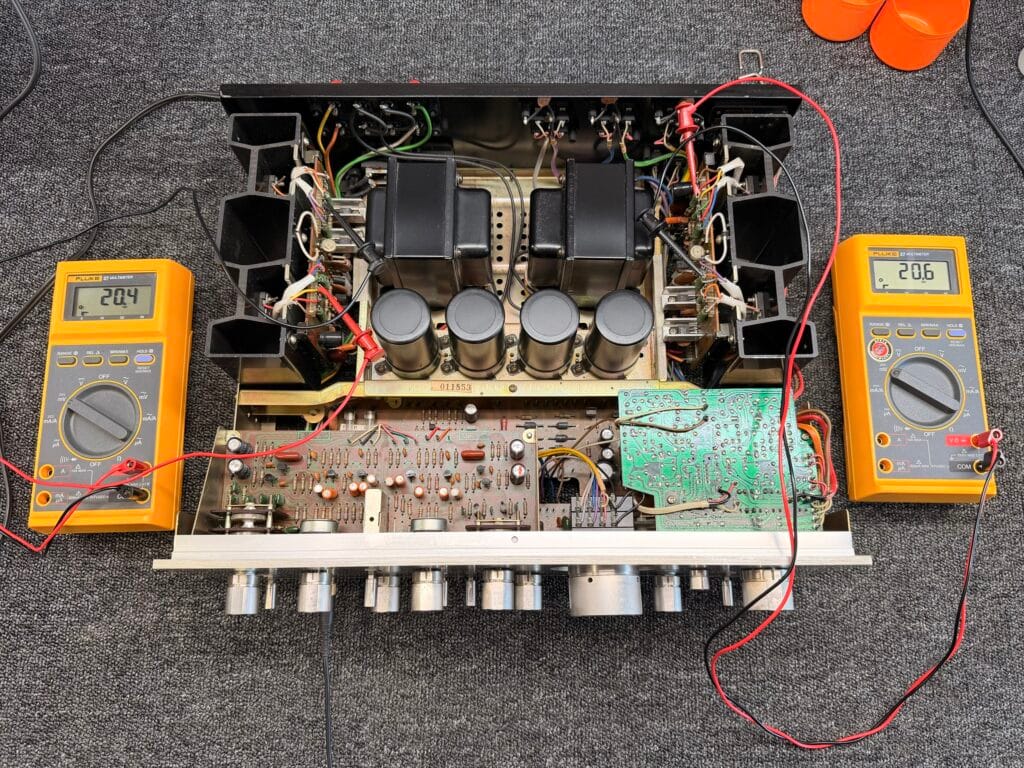
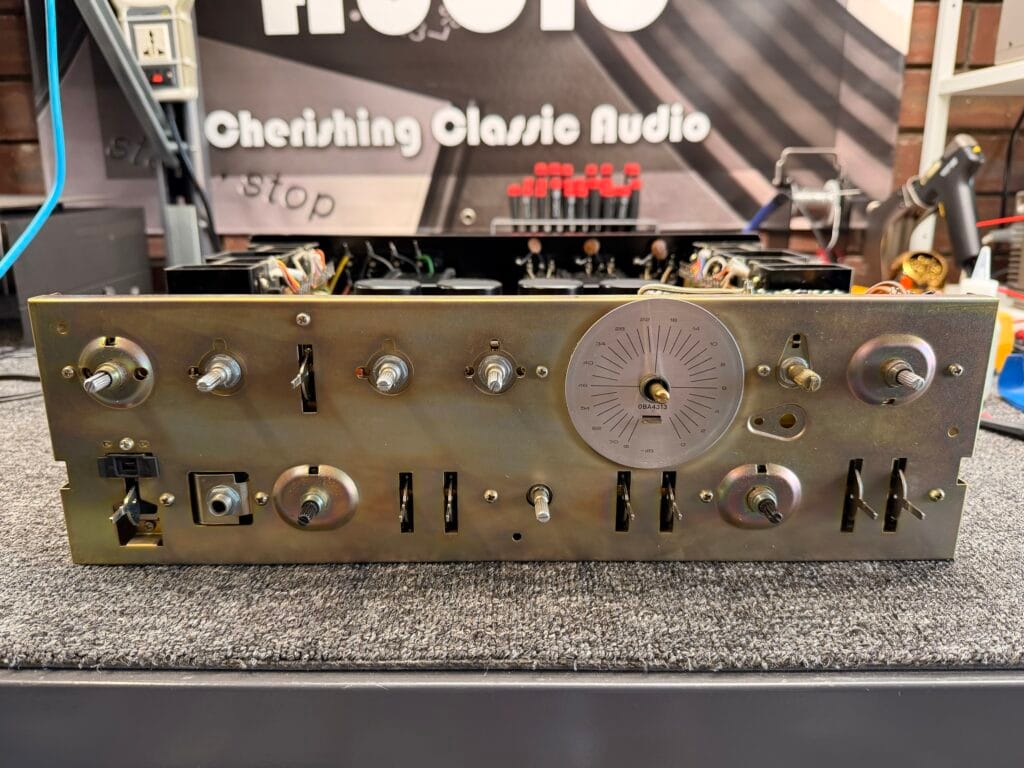
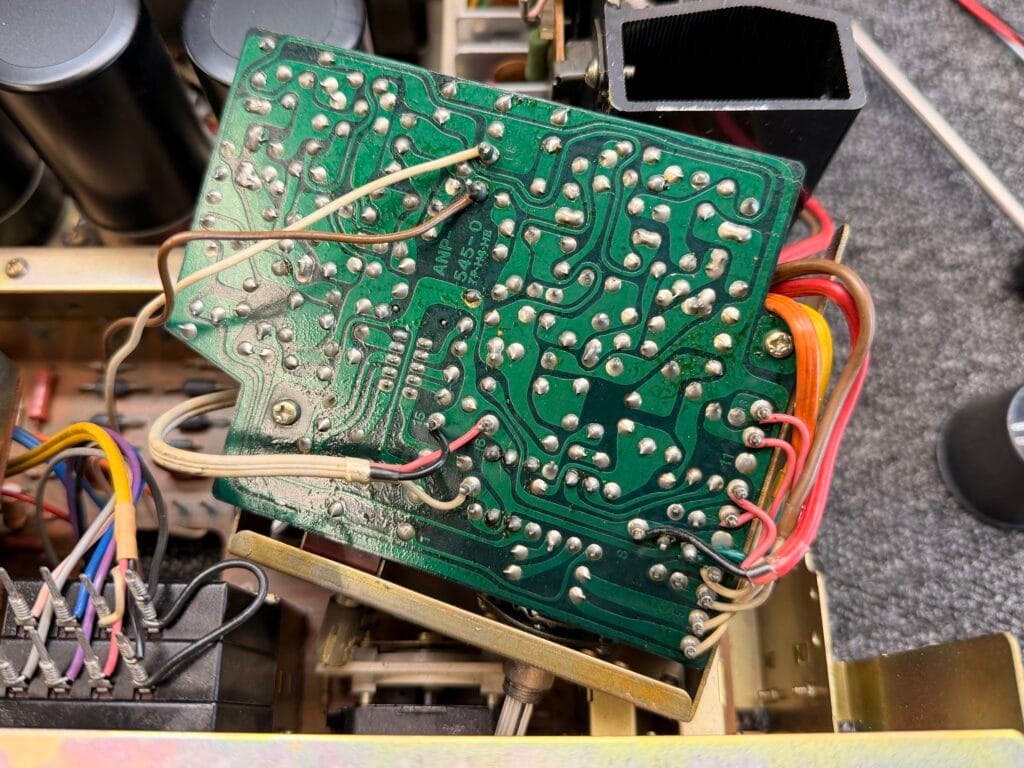
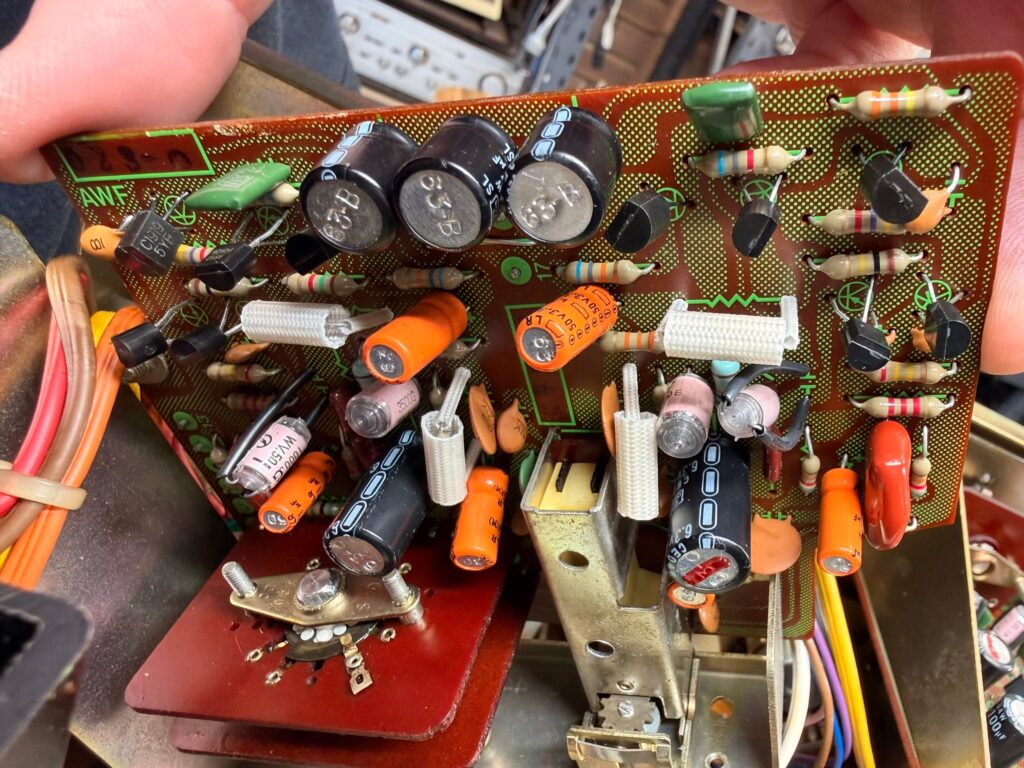
“But Mike, Mike – you didn’t recap the amplifier like Mr RadioWaves and the other recappers do, you’re not doing this properly!” This was a repair, not a recap, and I’d argue that actually repairing equipment, improving its value, rather than just recapping it and giving it back still broken, is the proper way to do things. Readers should decide for themselves.
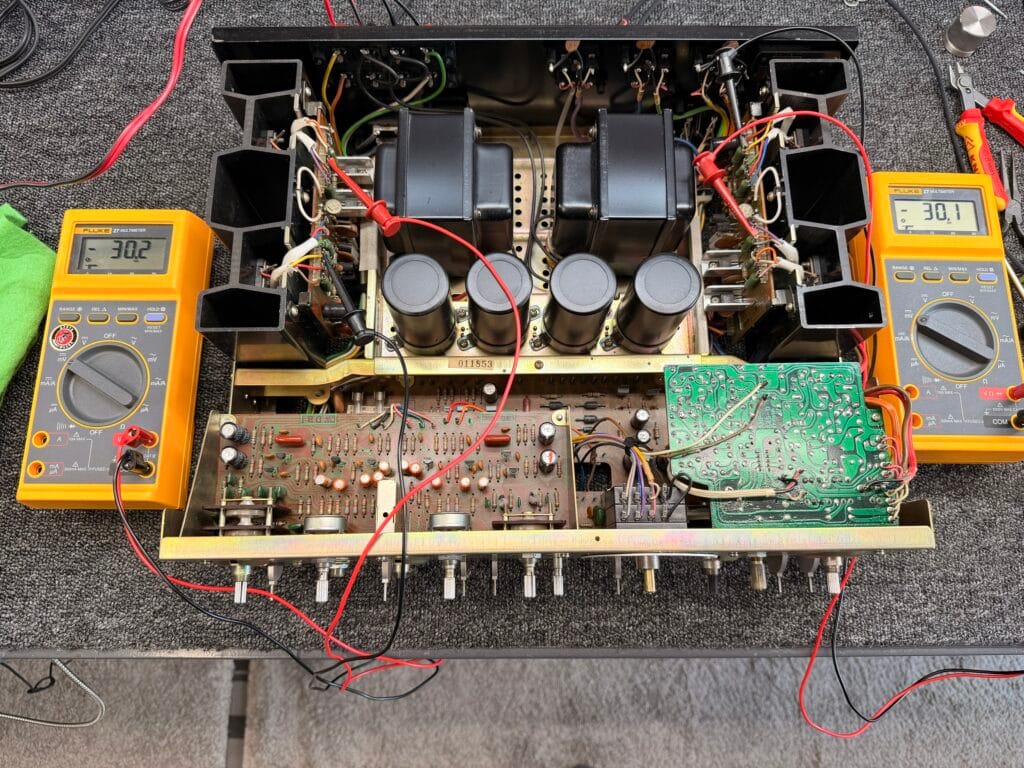
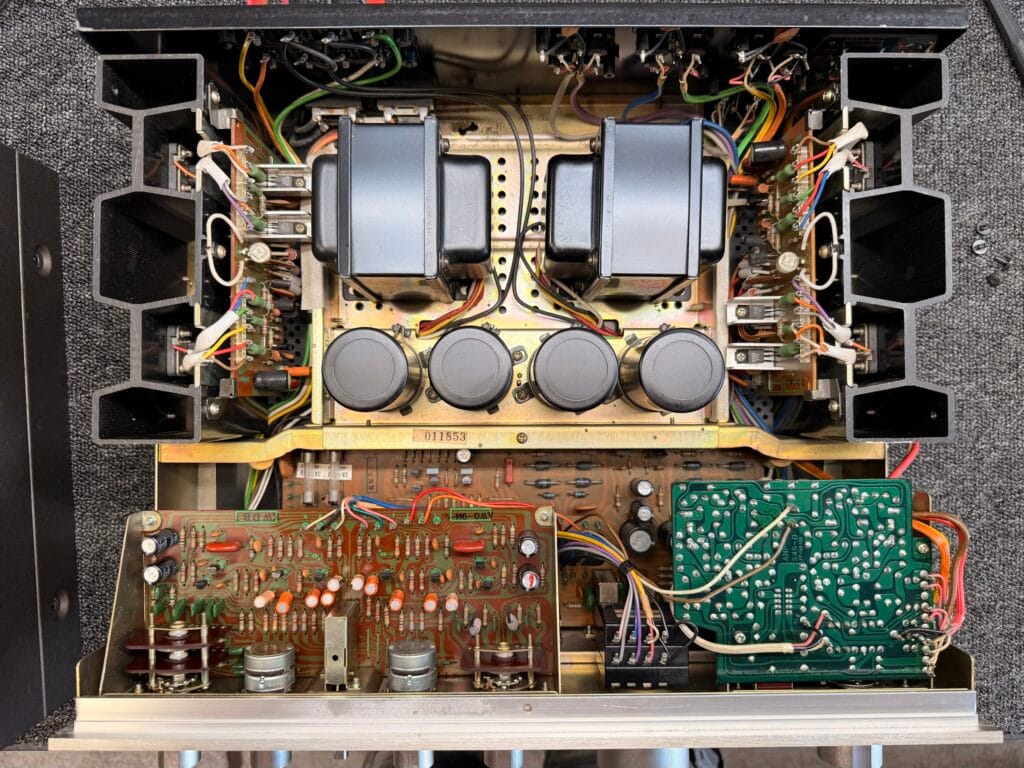
Results
I’m pleased to report that the lovely Pioneer SA-8800 II now runs beautifully, sounds fantastic and should prove to be a solid and reliable performer for her owner. He is especially pleased with this one as he paid so little for it, and plans to gift it to a friend, who I’m sure will love it.
How little..? Well, I can’t divulge that, but much less than you might expect. We have to moderate that with the repair costs at this end, sure, but no complex piece of electronics needs no work; all equipment needs maintenance, more as it ages.
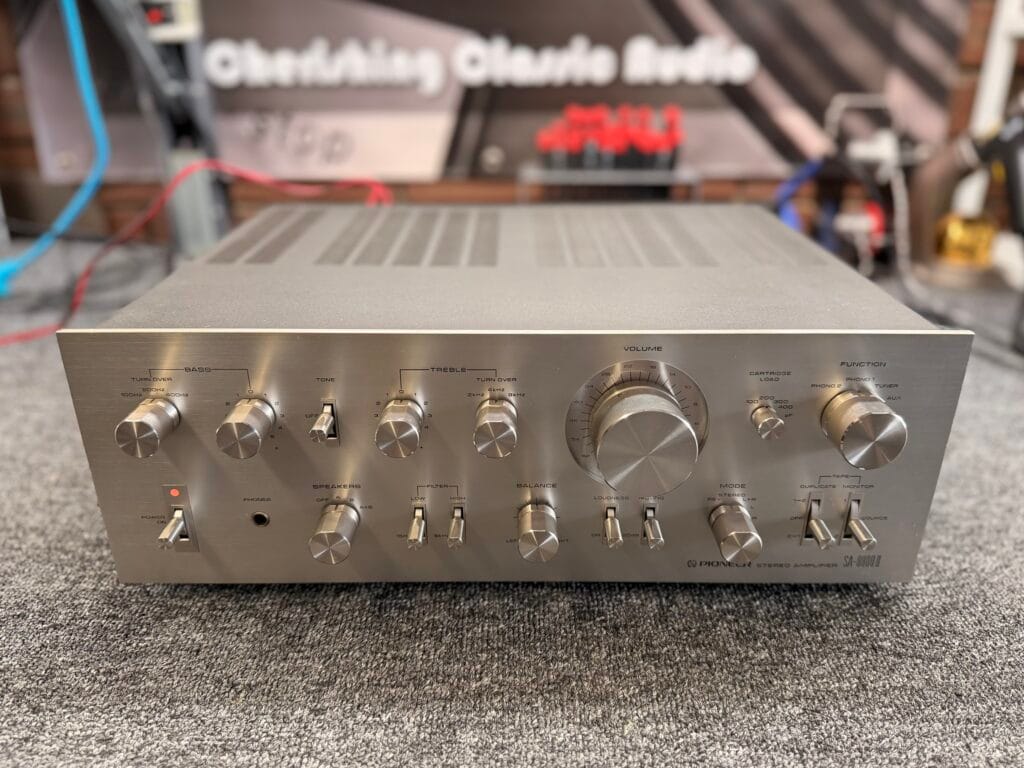
Is there further work that could be done on this beautiful Pioneer SA-8800 II? Certainly, a full overhaul involving replacement of some normally functional and in-spec capacitors, if done well, using better parts rather than Leylon or Suntan rubbish, could further improve her performance. This is optional, of course, in that it does not need to be done.
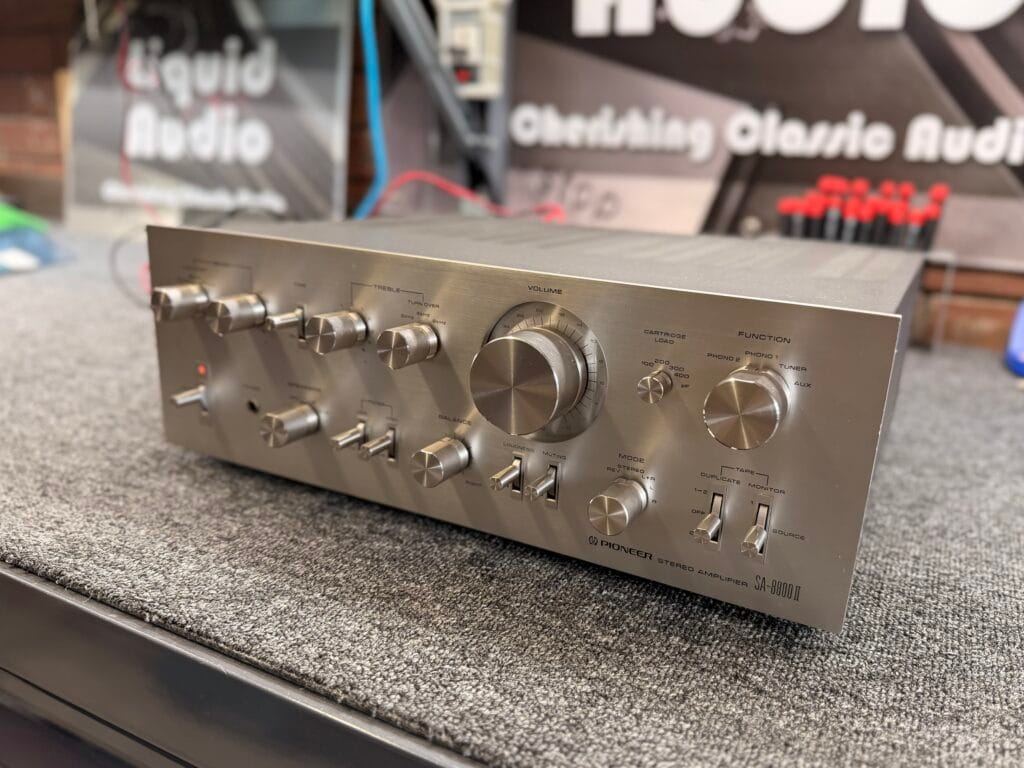
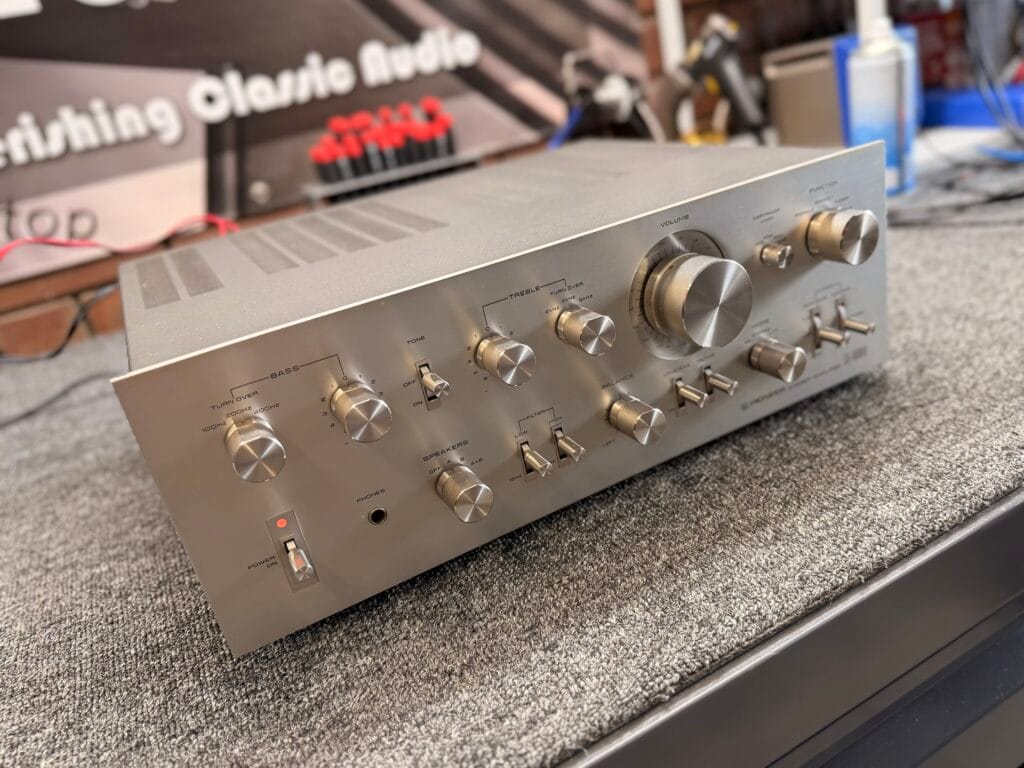
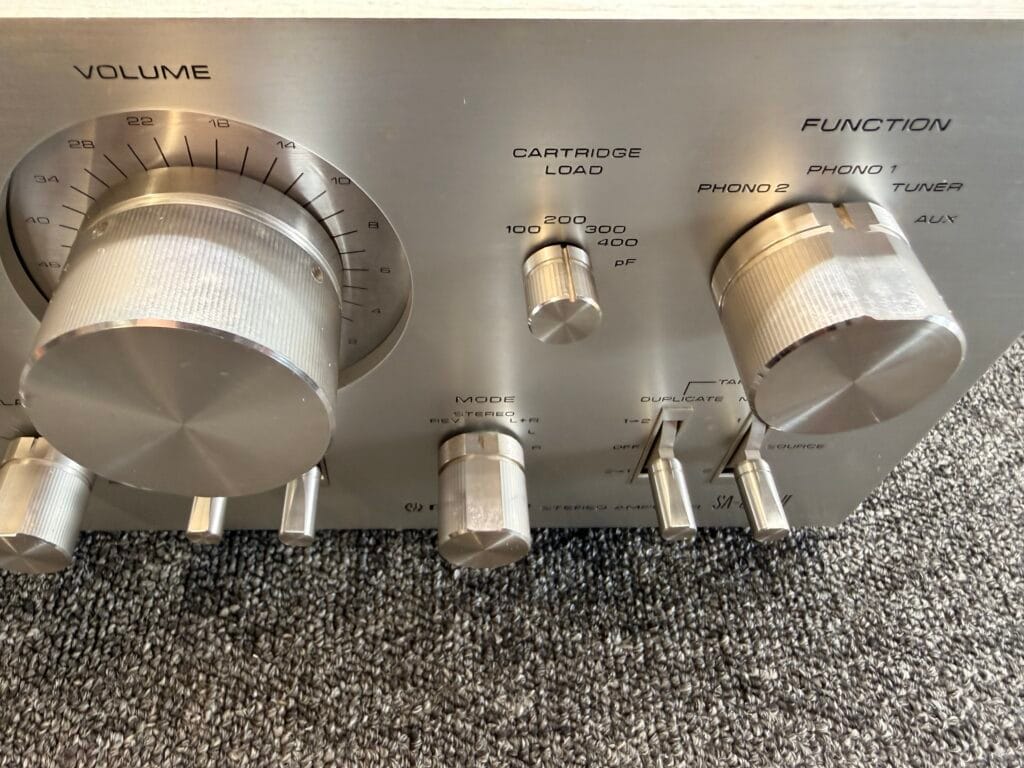
The Pioneer SA-8800 IIs owner told me how much better he thinks she now looks, and I agree.
Thanks
As always, folks, thank you for visiting, and I hope you enjoyed reading about another classic Japanese integrated amplifier from the golden era. If you’d like me to look at your Pioneer SA-8800 II, SA-8500 or any other lovely Japanese integrated amplifier, you know where to find me.
A huge amount of work goes into these articles, and they help many. You can support me in my efforts to educate the hi-fi community about beautiful equipment and keep it performing at its best, by engaging our services rather than competitors, commenting, liking, sharing, subscribing, spreading the word and donating, using the button in the footer. There is a list of recent donors in the sidebar/footer.
Until next time!
Share this:

Discover more from LiQUiD AUDiO
Subscribe to get the latest posts sent to your email.
Nice work.
Thank you, appreciated.
A beautiful resurrection Mike.
Thanks for sharing.
Thanks Stephen, glad you enjoyed the article!
Very informative write up yet again an added bonus to excellent repairs you did, thanks again Mike.
Thank you for bringing me this beauty, Vladan, and for your ongoing support of the business. Always a pleasure.
Wonderful Mike!
I’m awaiting my SA-9500 Mk II to return from the shop after testing and consequent repairs, so reading about you working on a little brother of that model is pretty cool. Educational too……..Thanks !
Thanks Keith, glad you enjoyed this one!
Amazing job Mike! Always impeccable repair work.
I love the this era of Pioneer. Amazing range of great quality hifi available at different price points.
Always wanted an SA-9800!
Good on you, Tim, thanks and much appreciated. This silver Pioneer era is epic, love the SA-9800!