
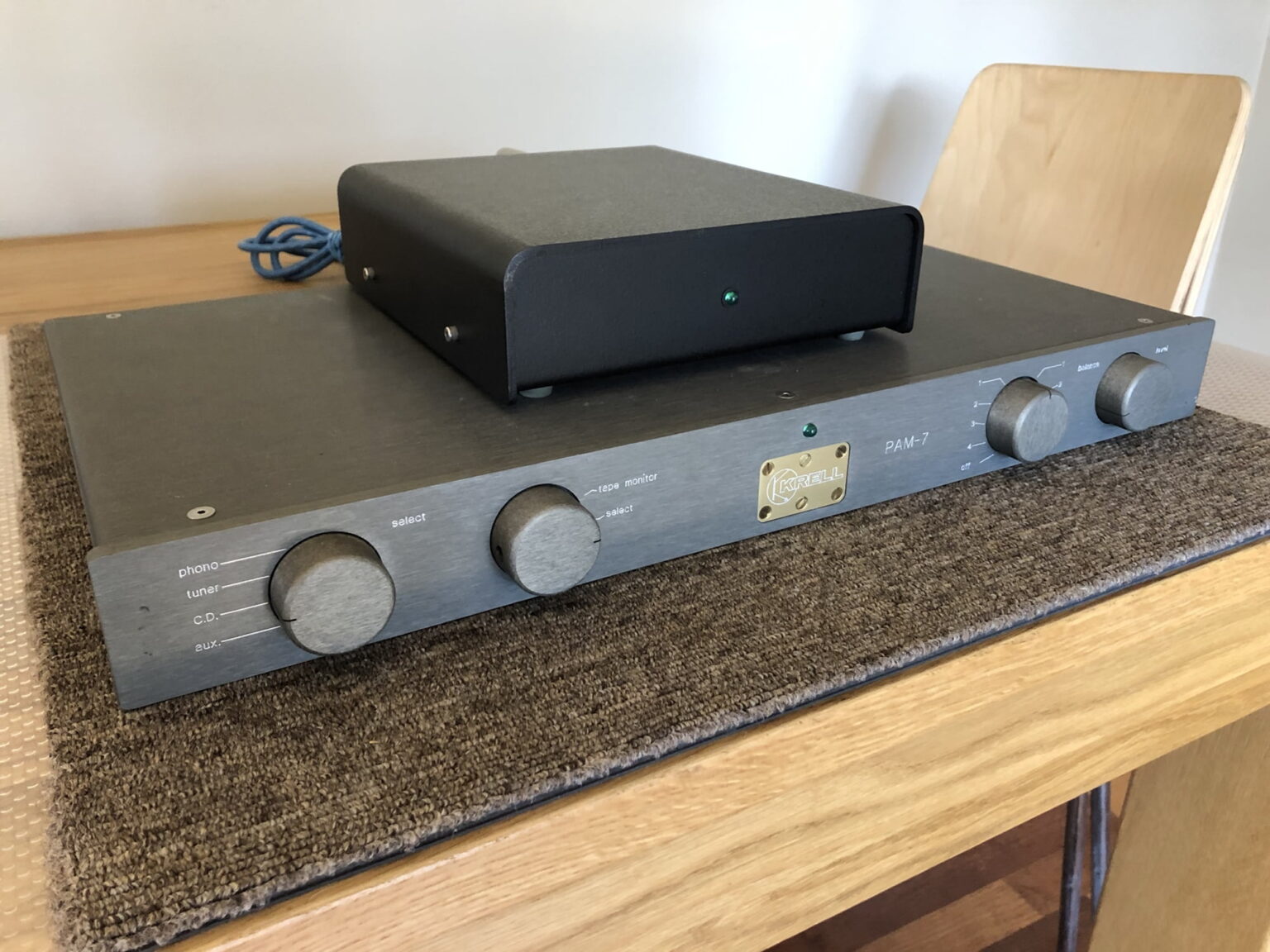
Krell has produced some stunning gear over the years, and this PAM-7 preamplifier is a great example. Come with me as I repair this lovely unit.
The Krell PAM-7 preamplifier dates back to earliest days of Krell, but all the trademark features are present: thick boards, premium parts, class-A operation, separate power supply and the unique styling the company used back in the day.
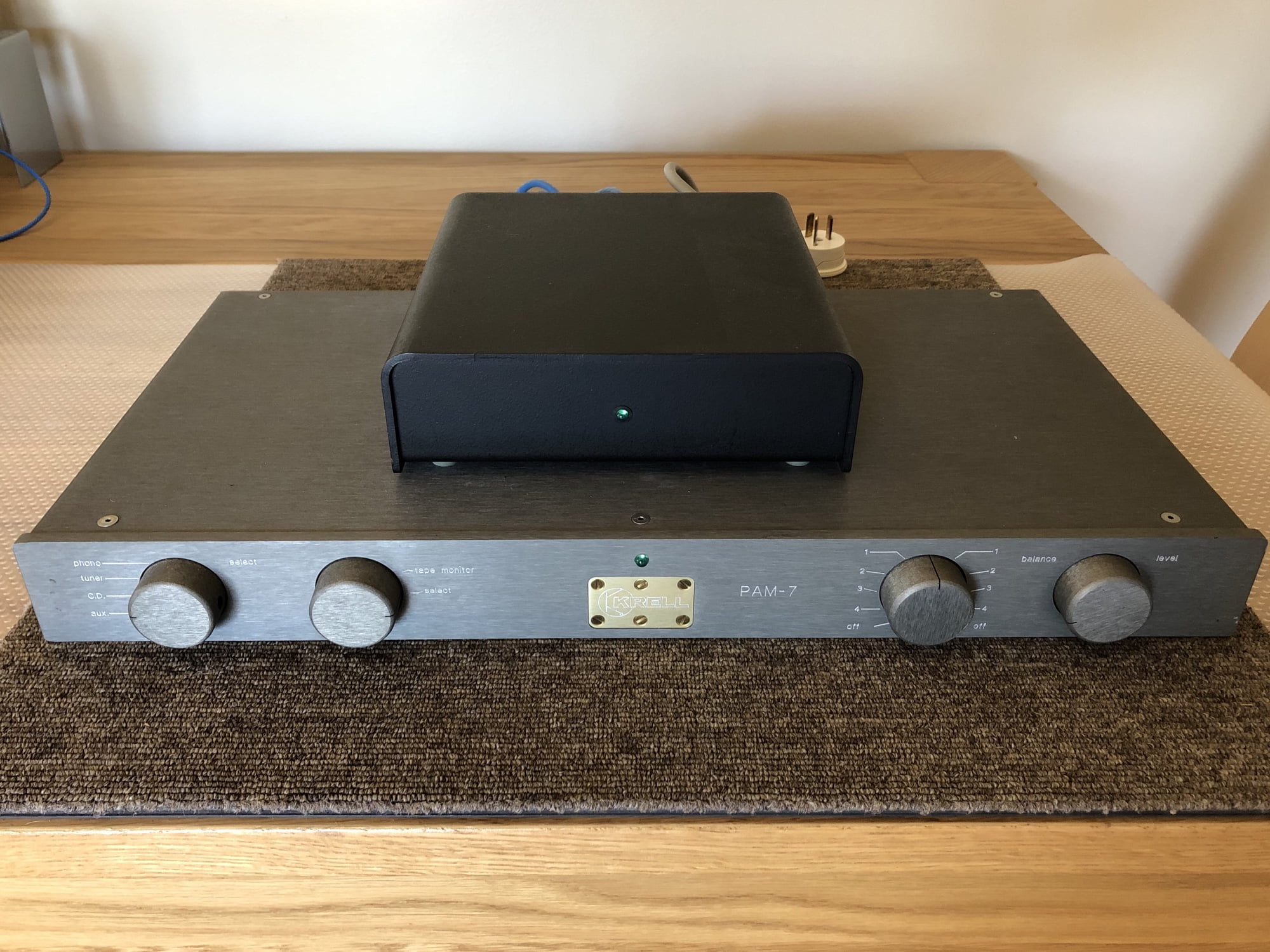
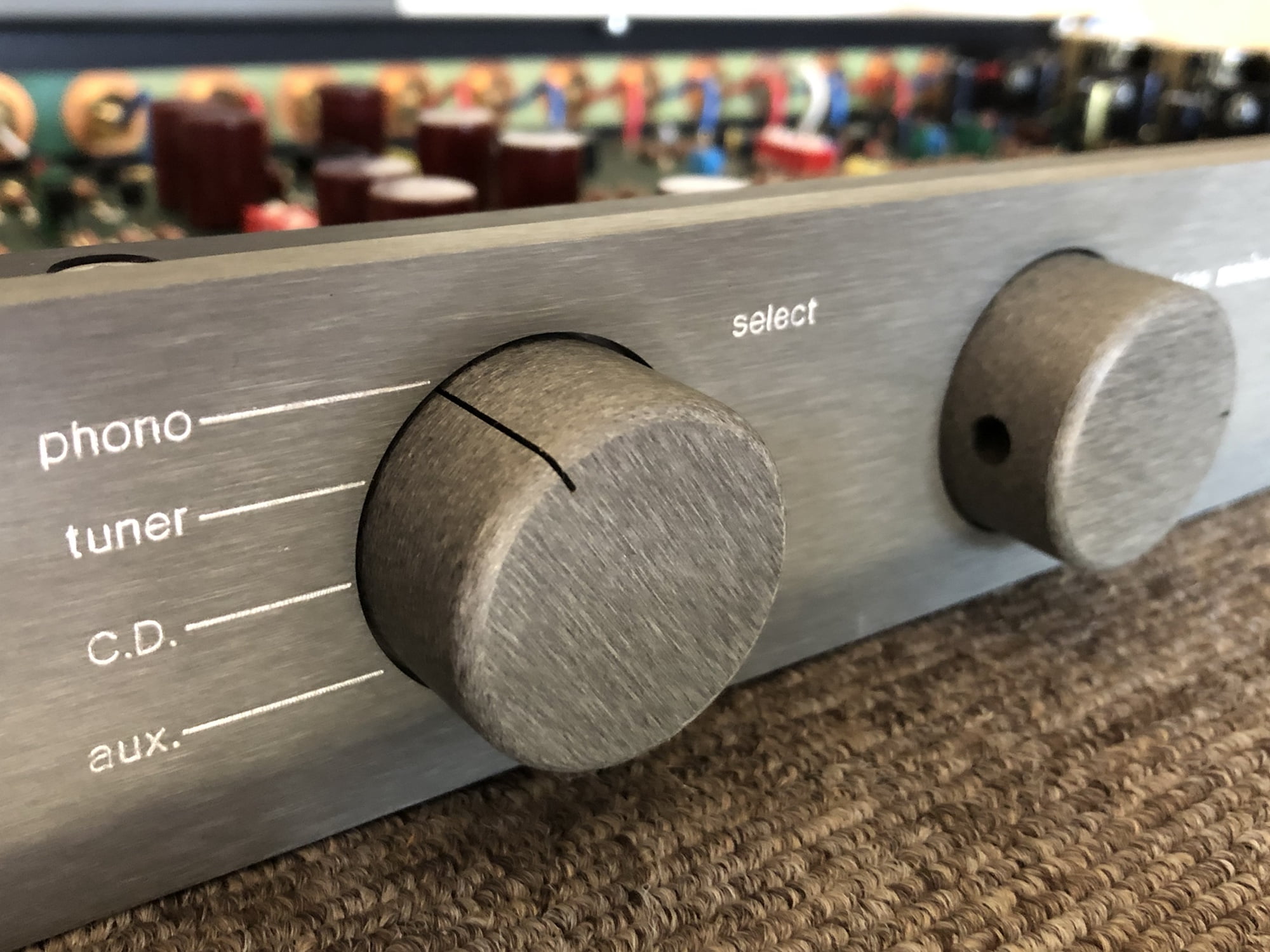
I particularly like the industrial grey brushed aluminium finish on the Krell PAM-7 and all Krell gear from this era. Nothing else looks like older Krell gear, and certainly, the mechanical and electronic build quality is extraordinary.
Sonically, this unit gives nothing away next to the most expensive modern preamps. There are no new circuits and parts in 2019 that these guys didn’t understand and have access to in the ’80s. This critical concept is heavily misunderstood, unfortunately.
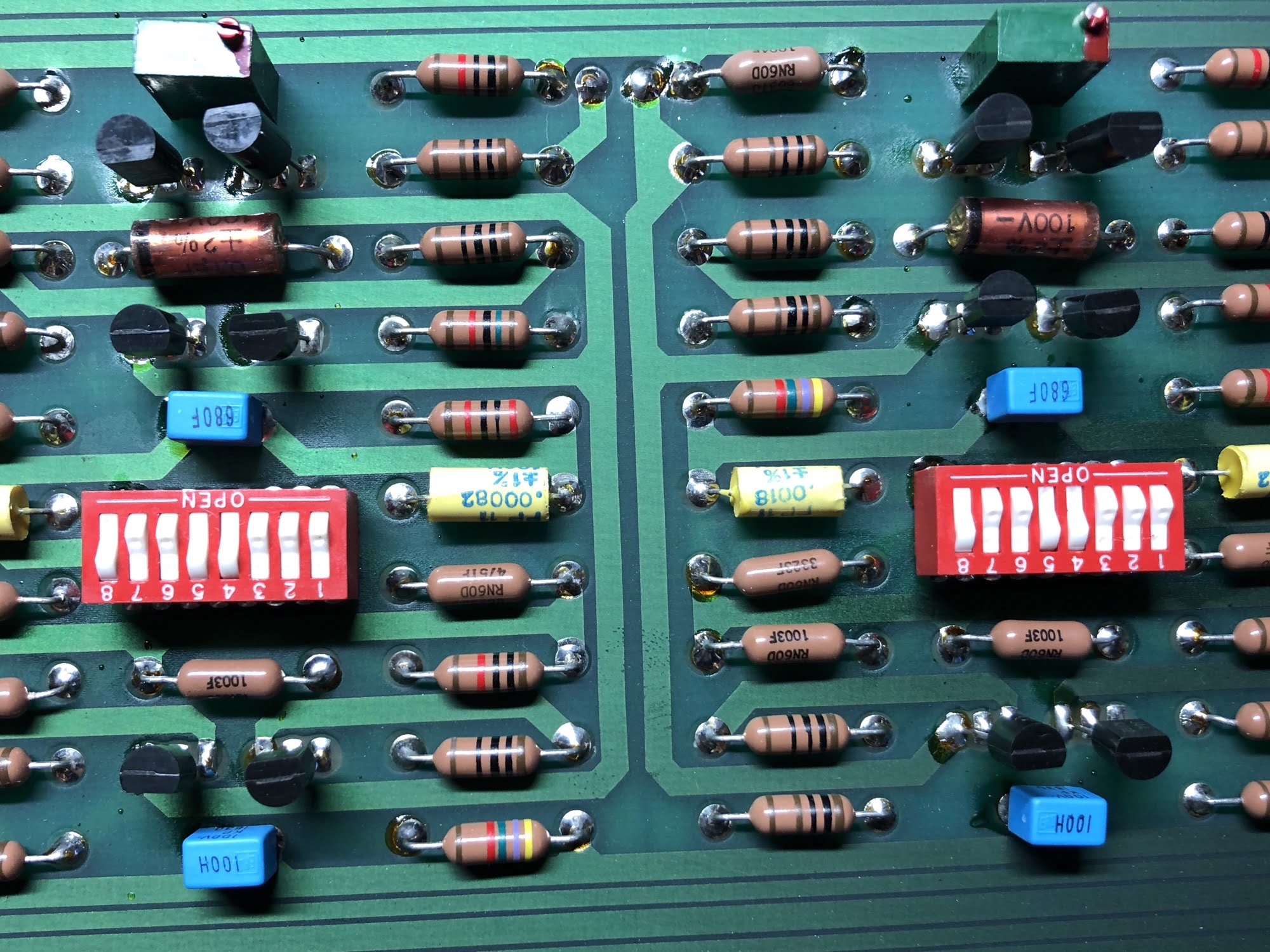
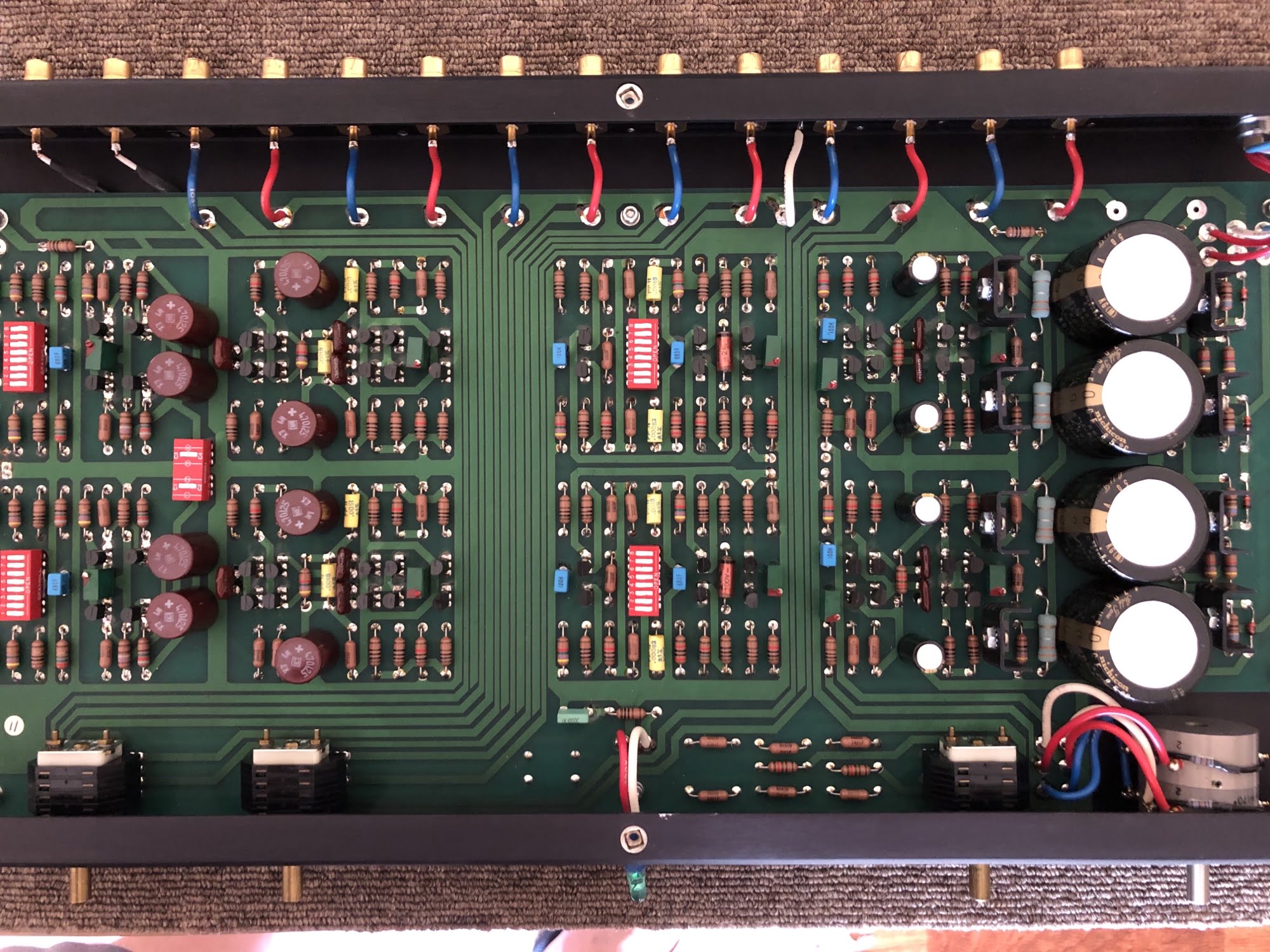
This unit has all the best features: premium switches and pots, zero wiring, FETs, lots of local capacitance, a discrete & configurable phono preamp, multiple regulated power supplies, class A, all discrete circuitry, and on it goes.
Krell still has the owner’s manual available and the excellent staff in the Krell service centre are always kind enough to assist me with what data they have available – thanks, Patrick!
Krell PAM-7 Specifications
Not yet located!
Problems
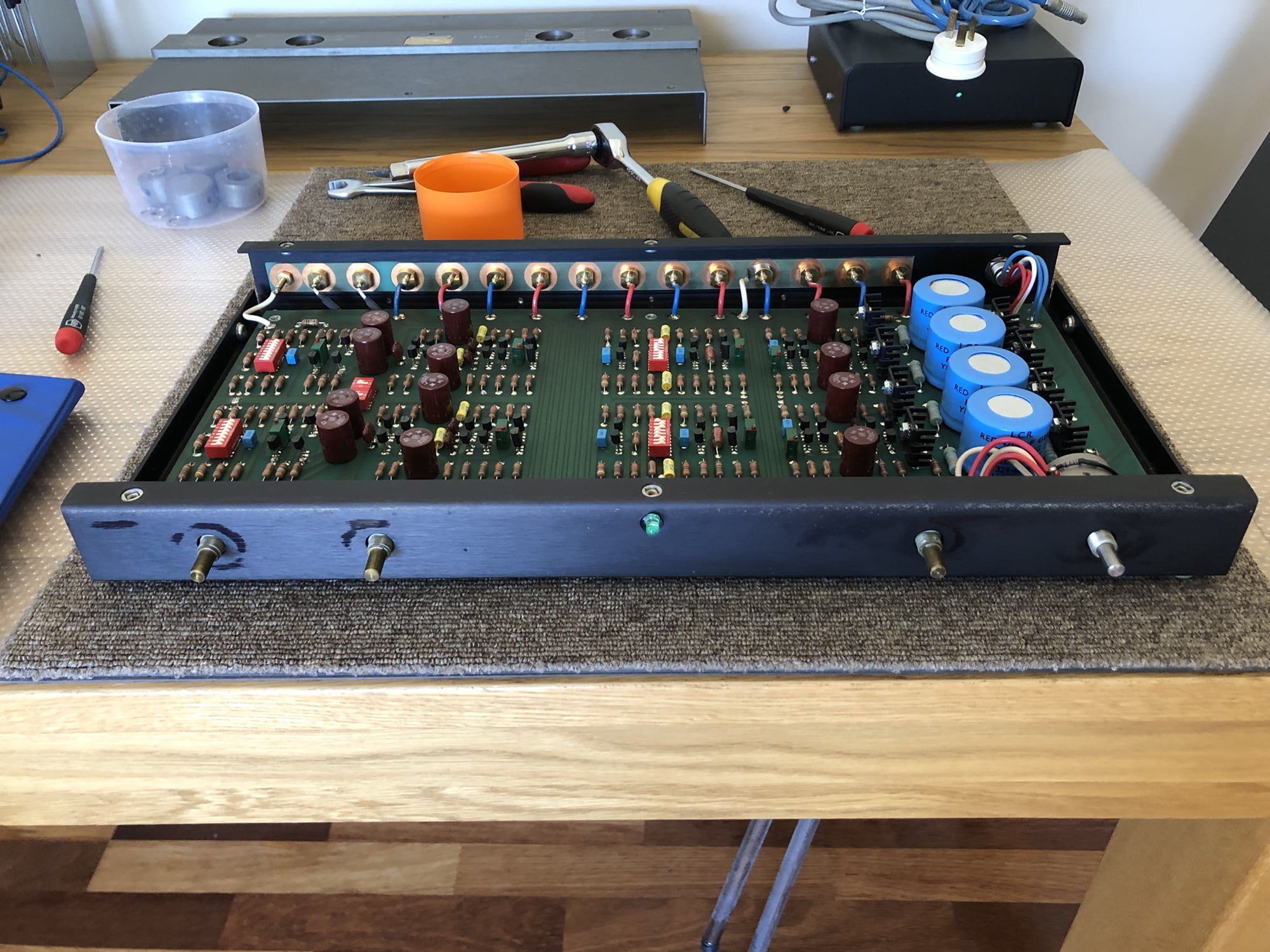
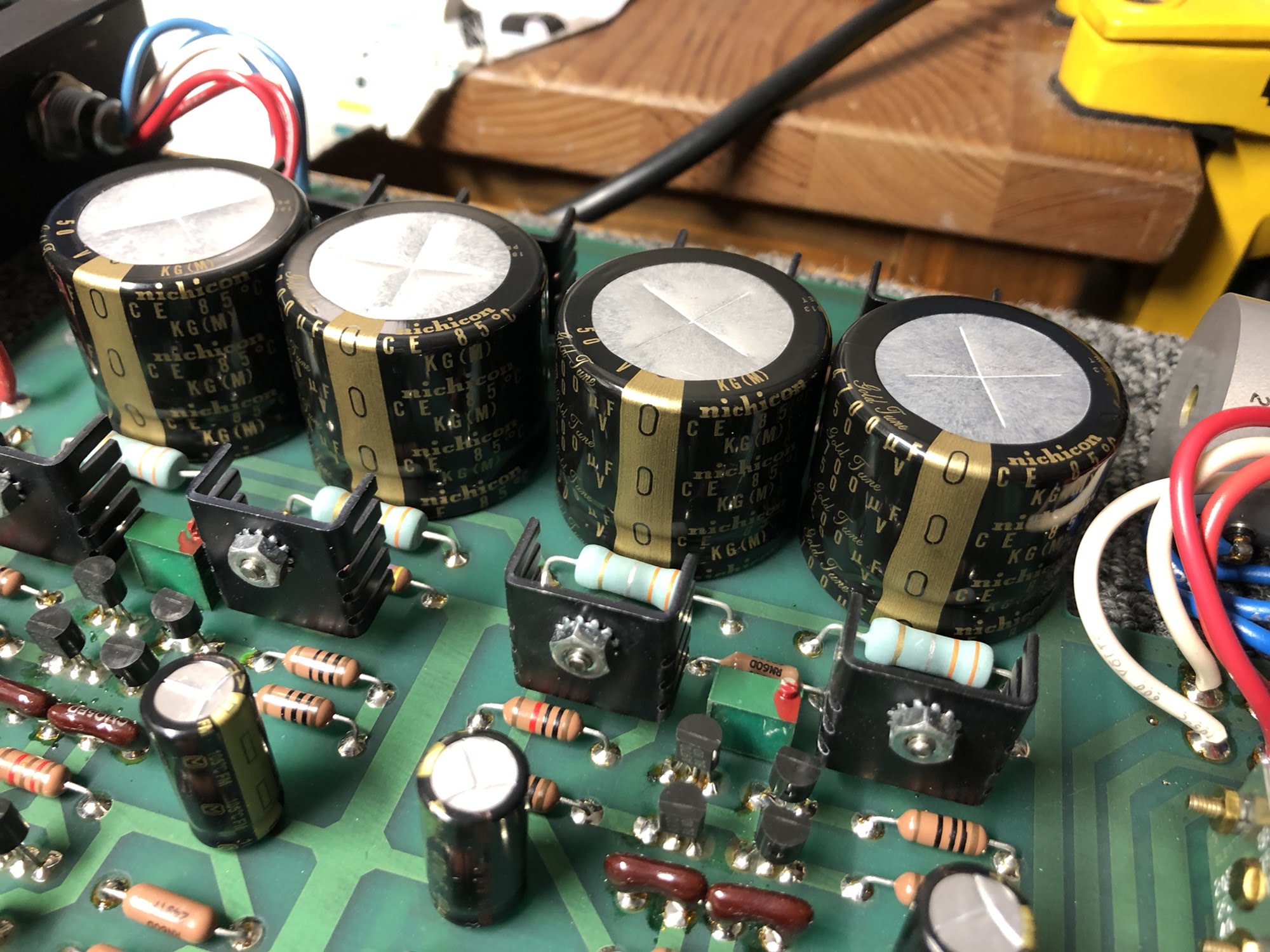
This Krell PAM-7 exhibited several issues, and she had never been in for service until she came to me. Signals from the PAM-7 showed distortion, and the gain was low in one channel. Strange noises emanated from the phono preamp, and it turned out that one of the 15V rails was sitting at around 5V.
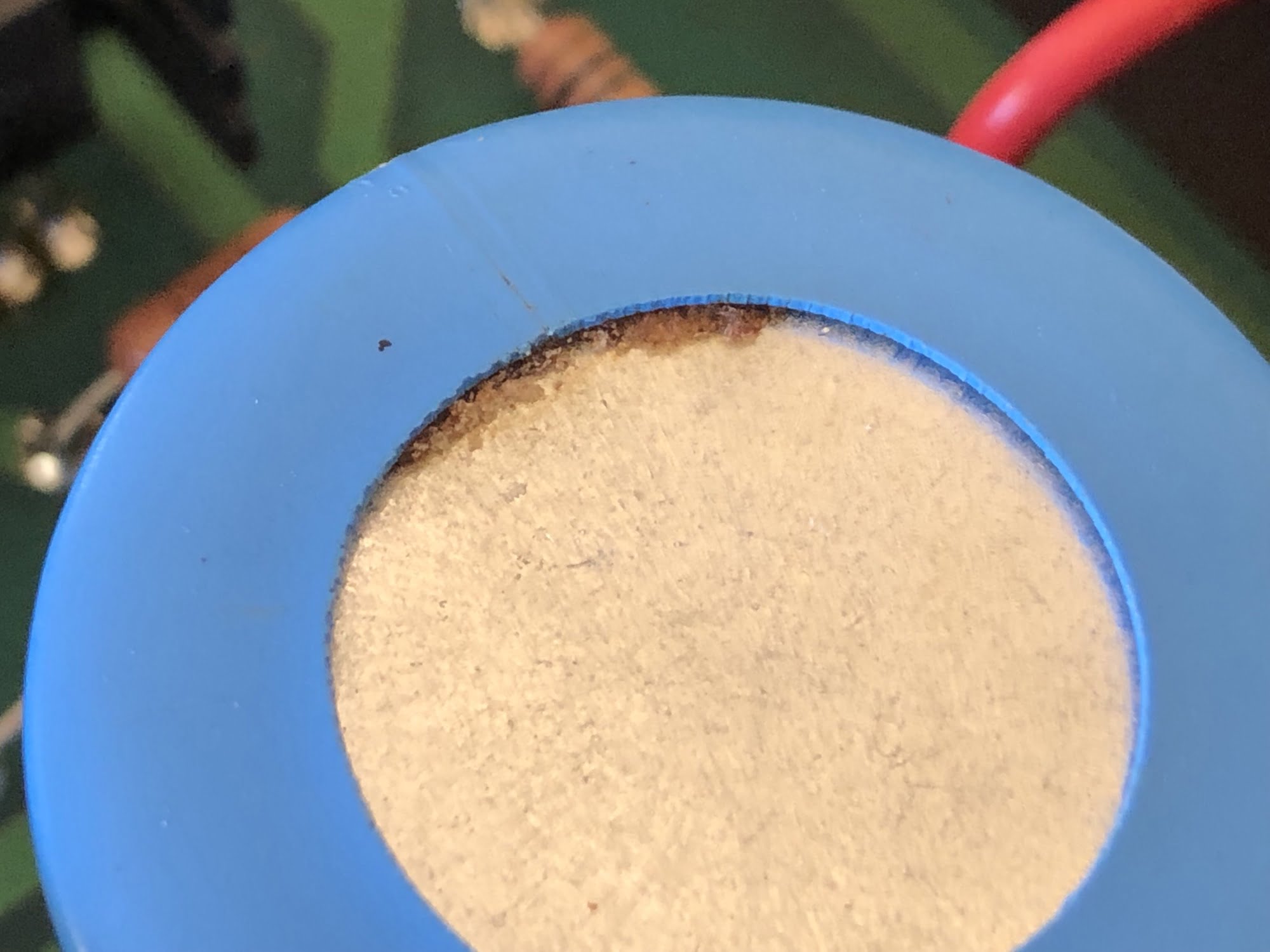
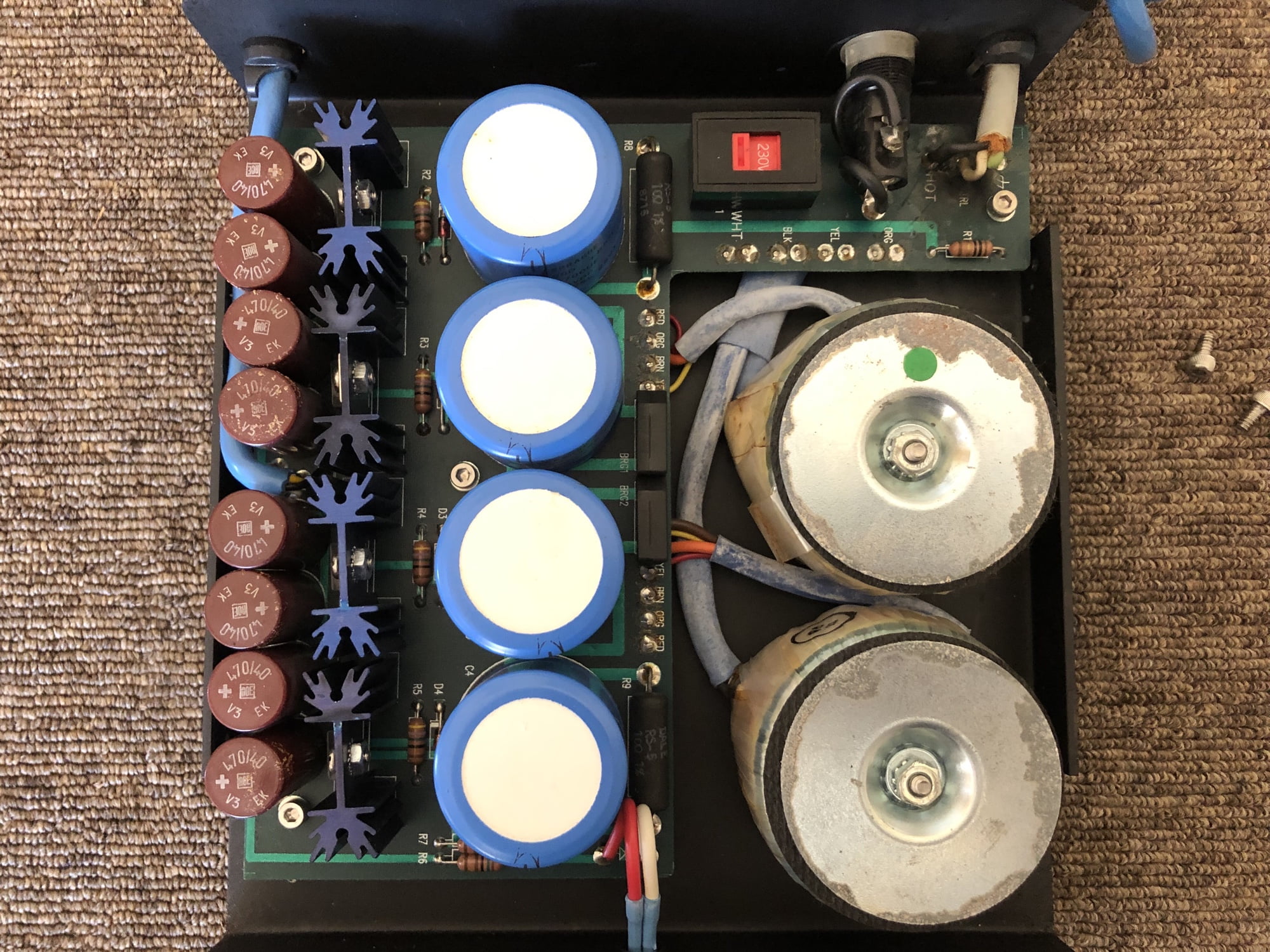
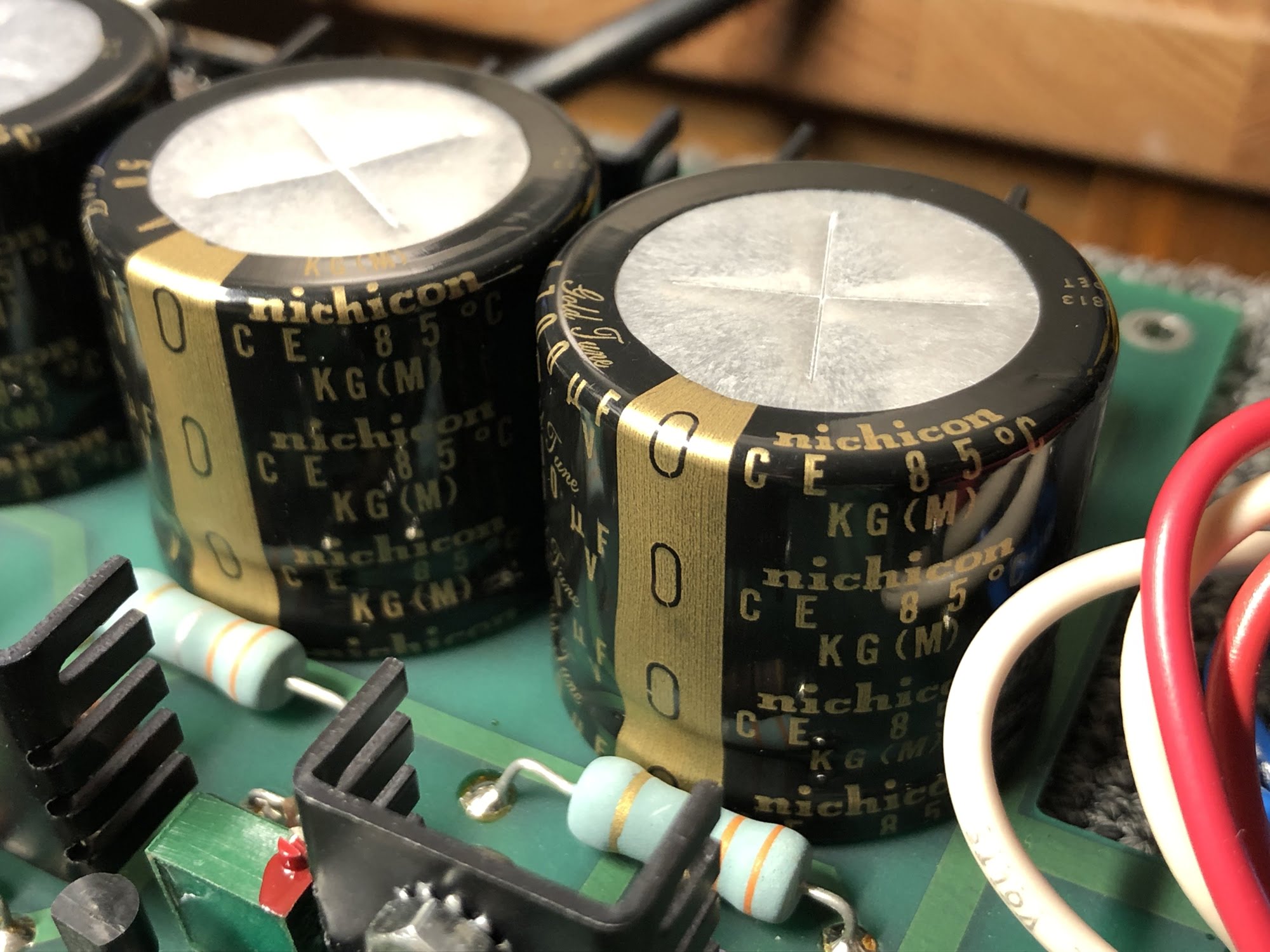
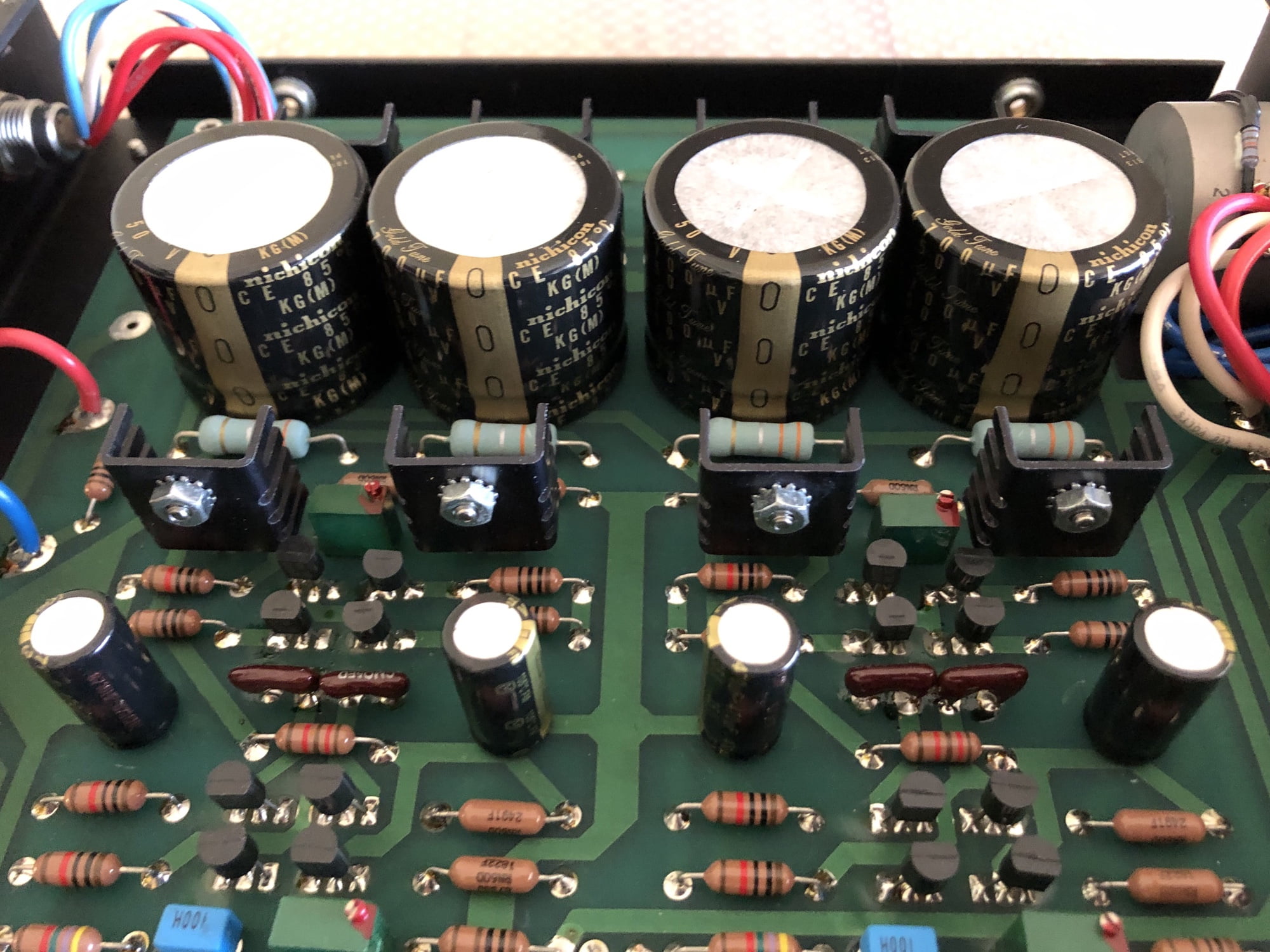
A couple of the onboard power supply capacitors looked suspicious and didn’t measure well. The unit needed repair and at least some basic maintenance. Despite the impeccable service life and fantastic performance of this wonderful preamp, it took some convincing her owner that this was a worthwhile repair. He didn’t want to spend any money on it, a significantly ill-informed perspective, but one I occasionally see in a certain demographic.
Fault Finding
The first steps were to assess the PAM-7 and diagnose what was wrong. I traced the noises, distortion and low gain to a bad Zener diode voltage reference, which sets one of the power supply rails. This diode caused the rail to fail, and the now asymmetrical rails caused the sonic problems in the form of distortion that the owner and I heard.
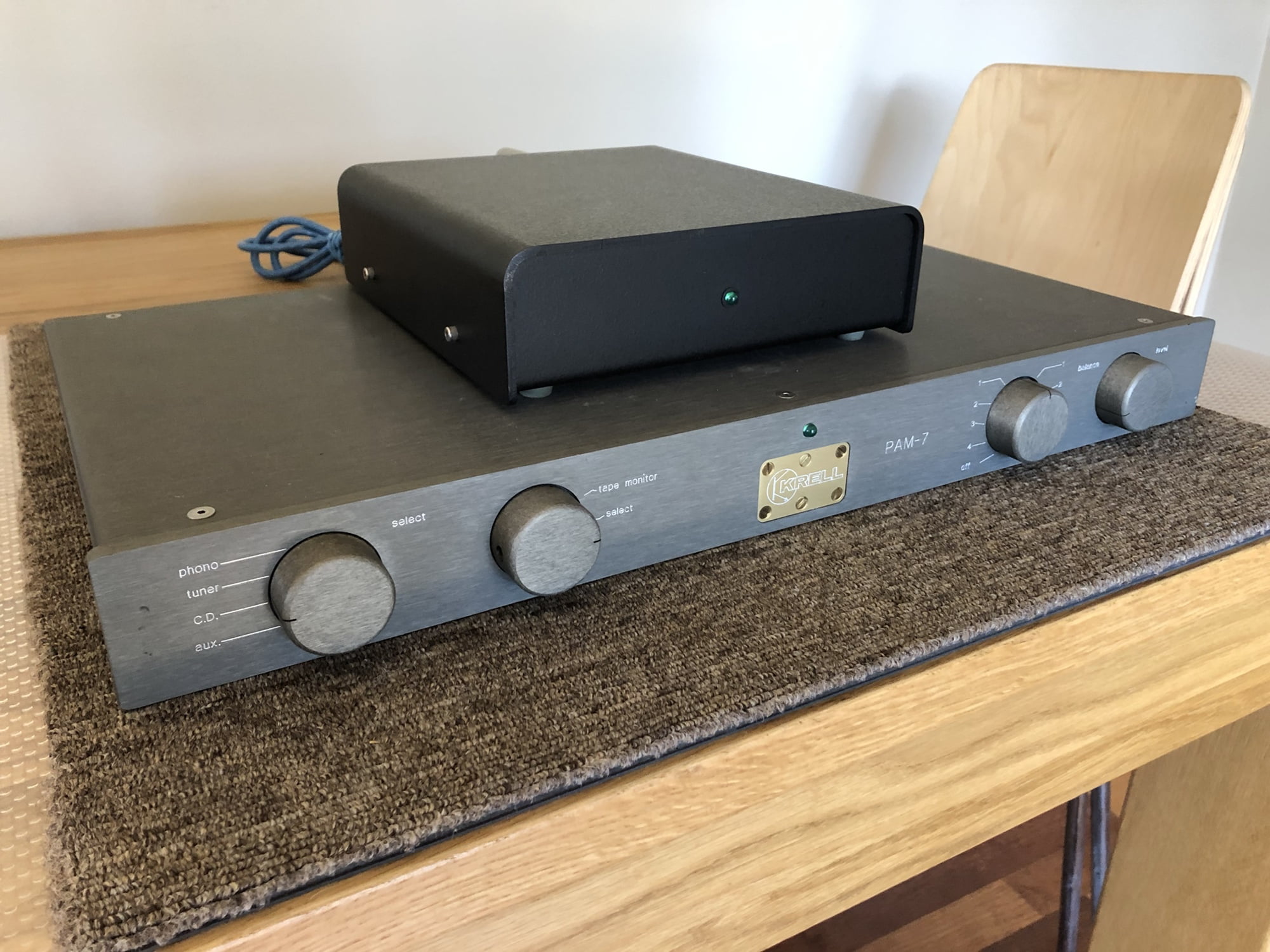
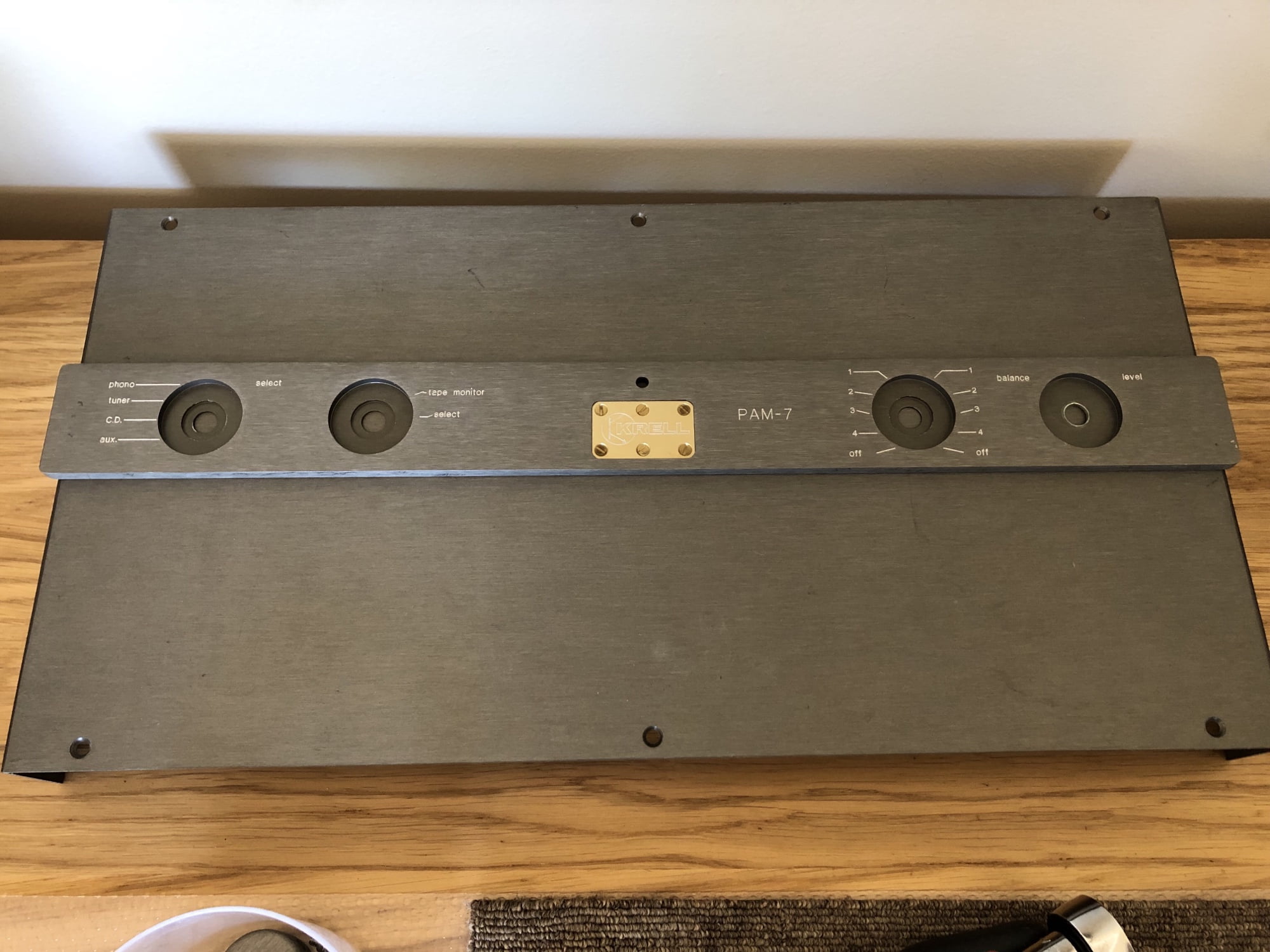
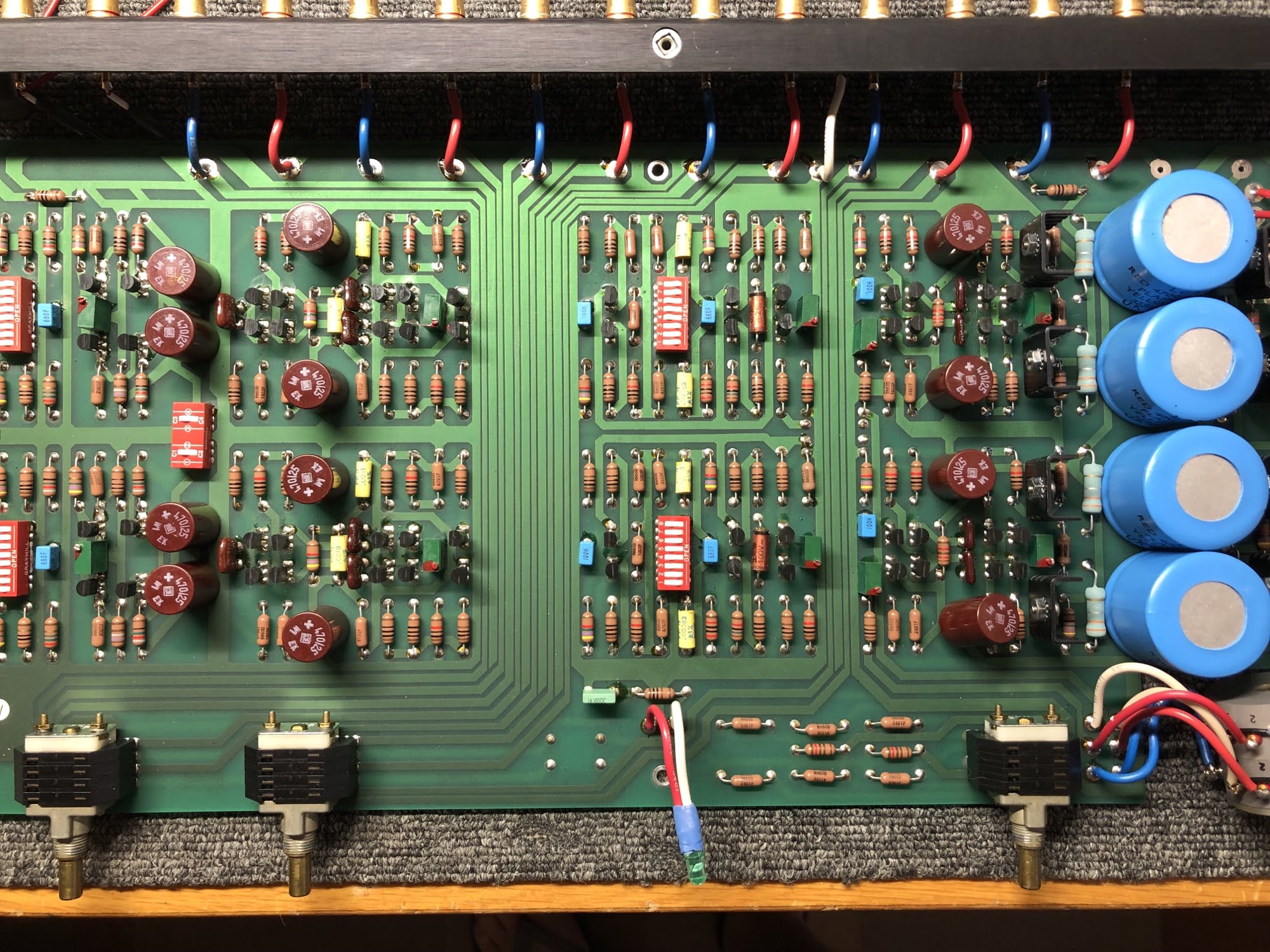
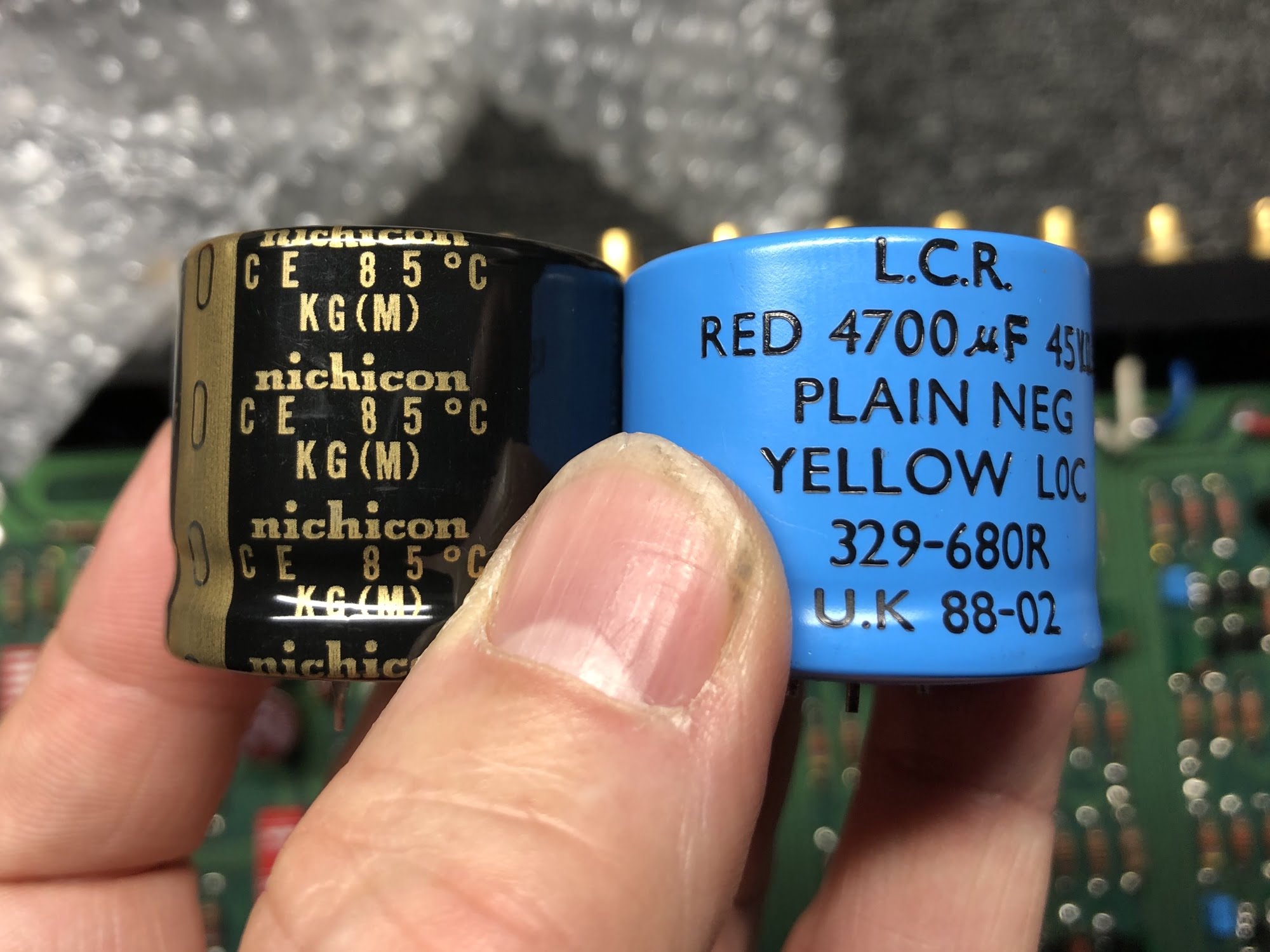
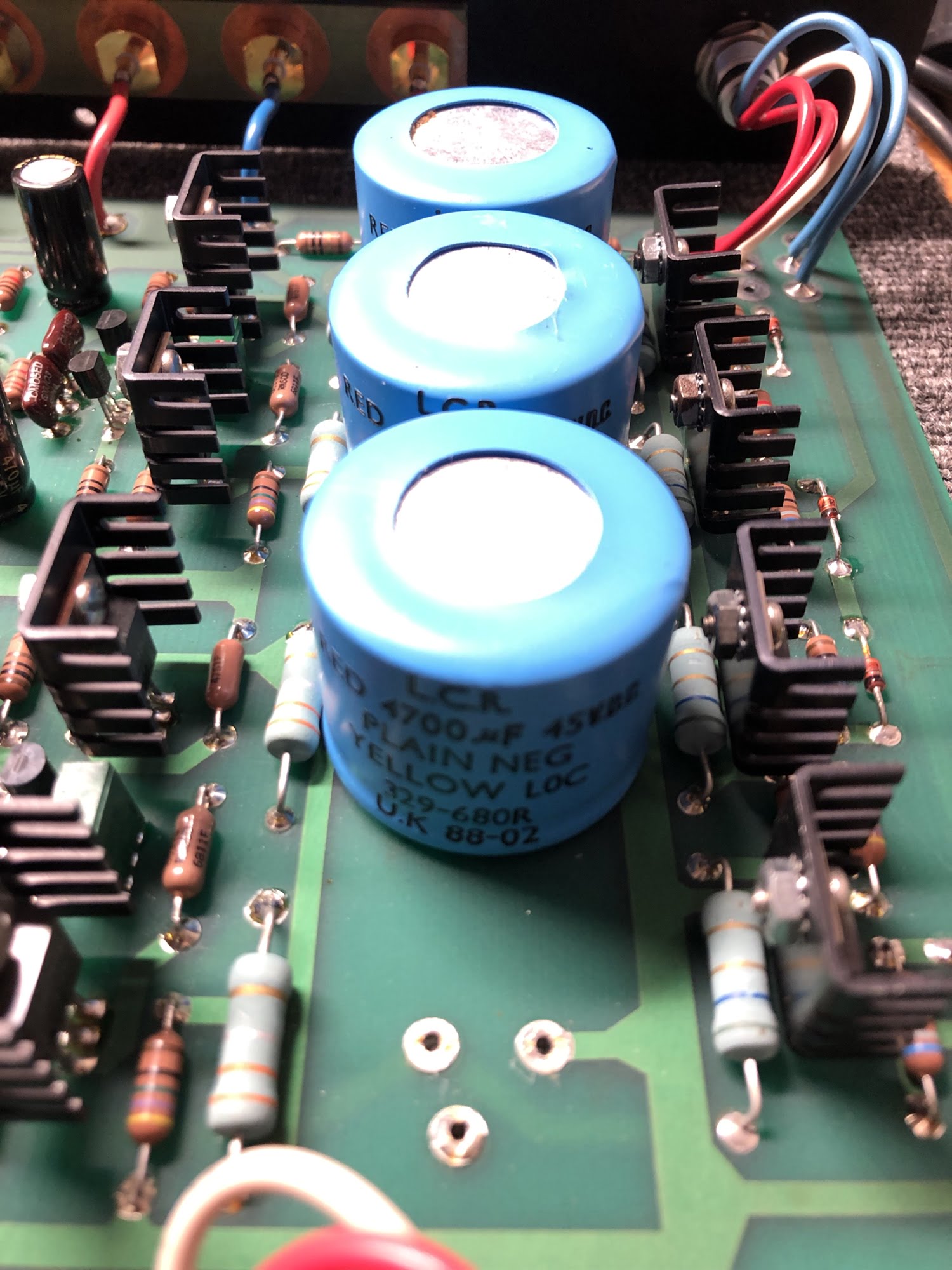
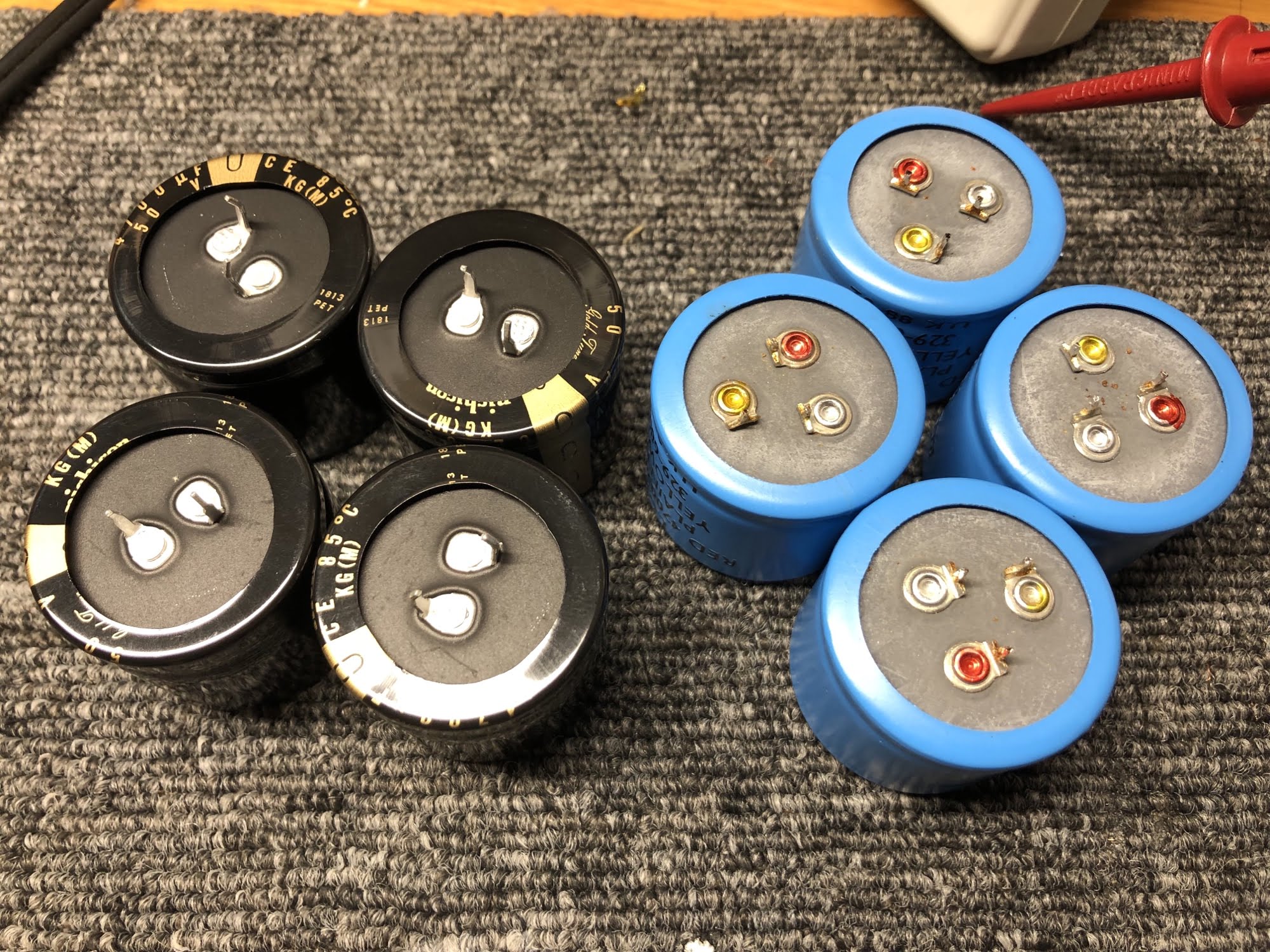
Cleaning
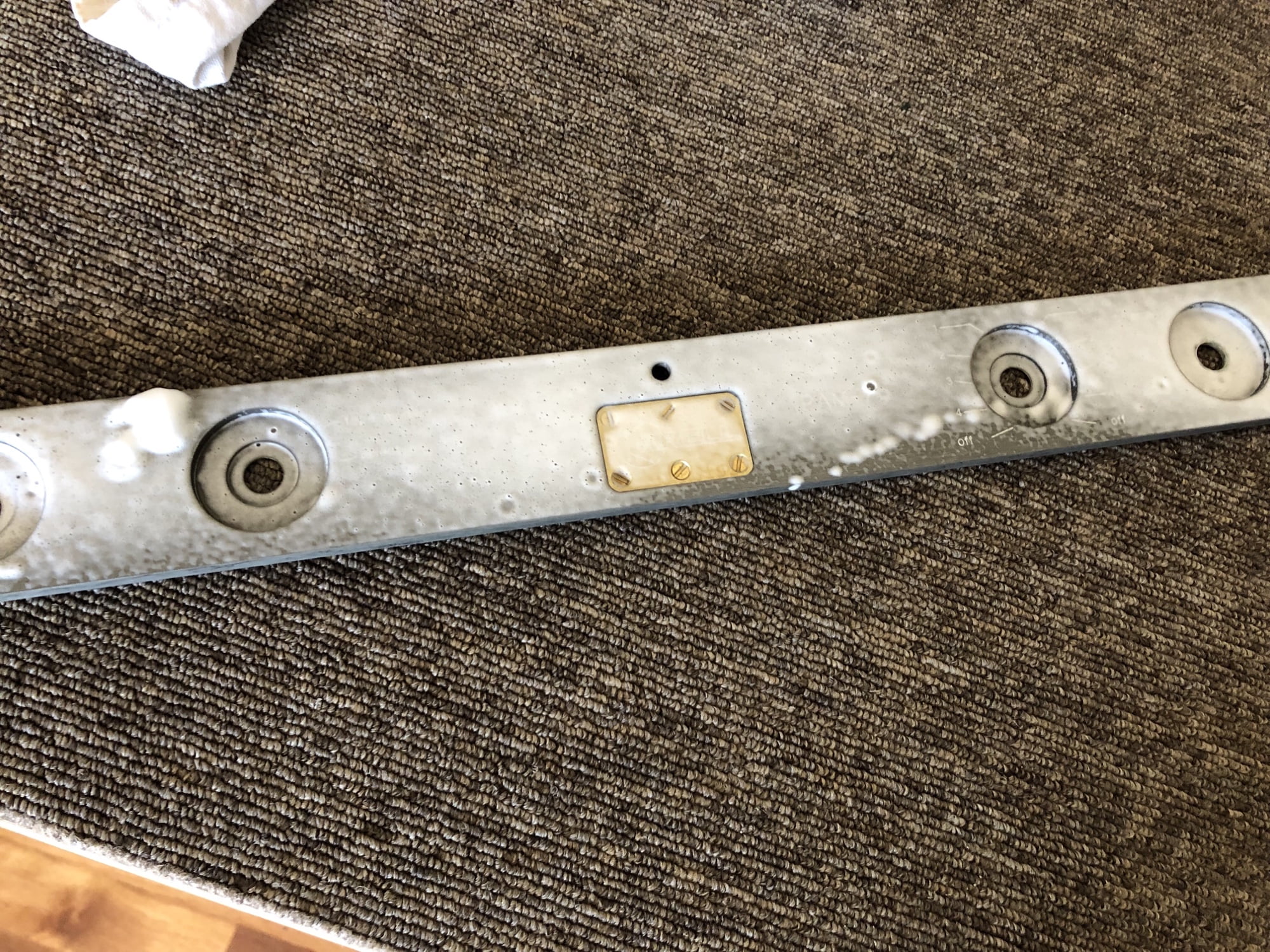
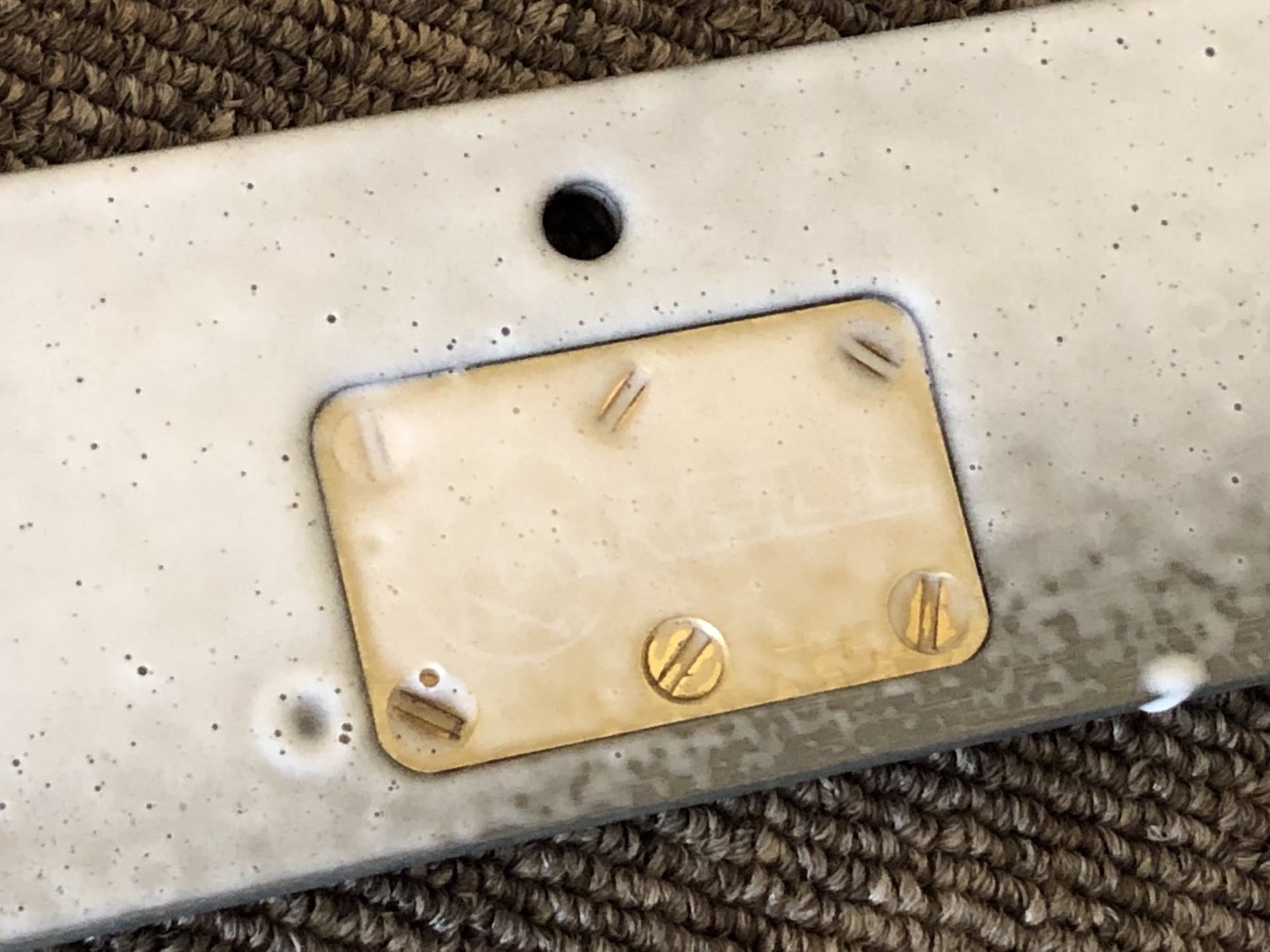
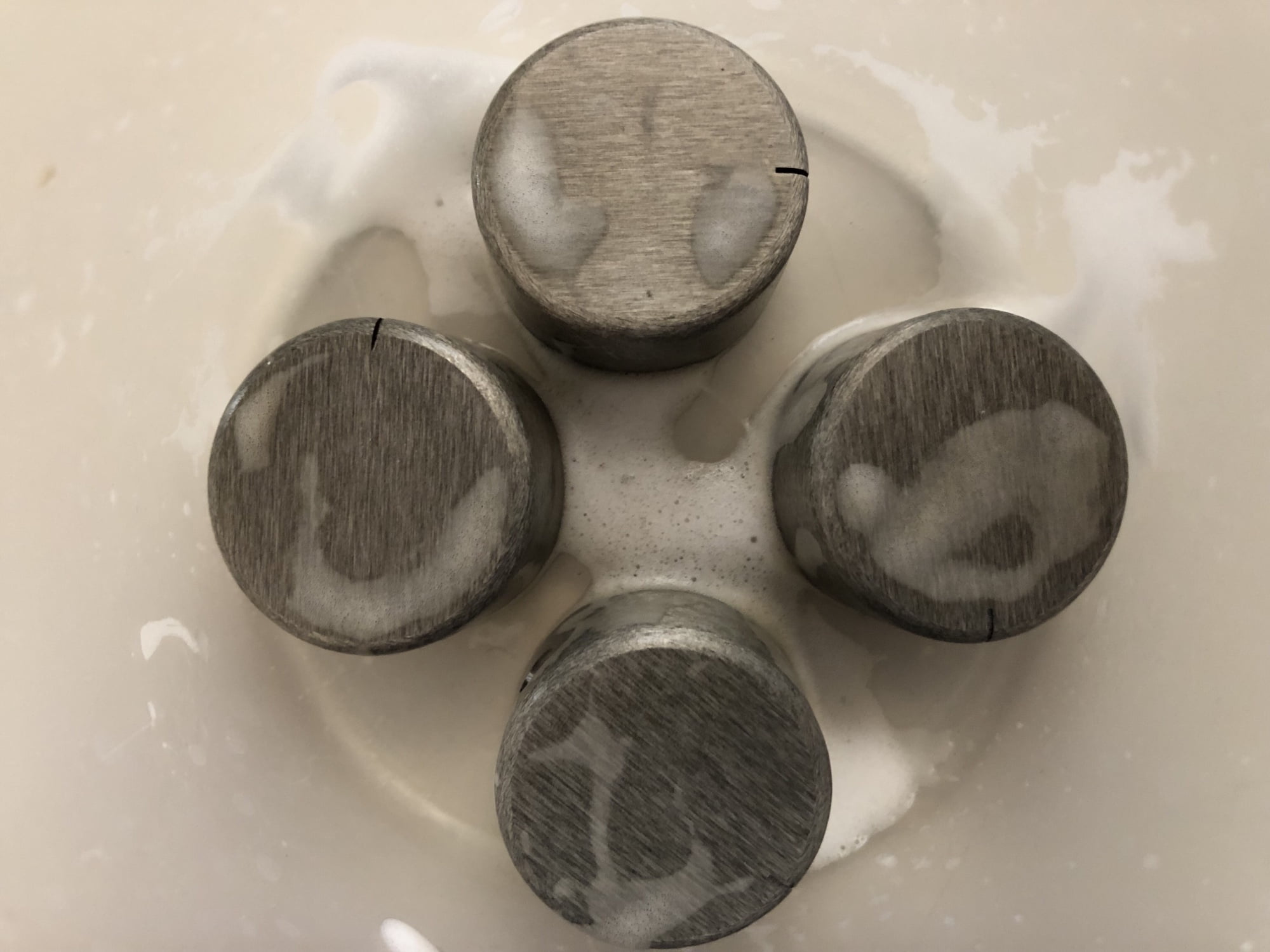
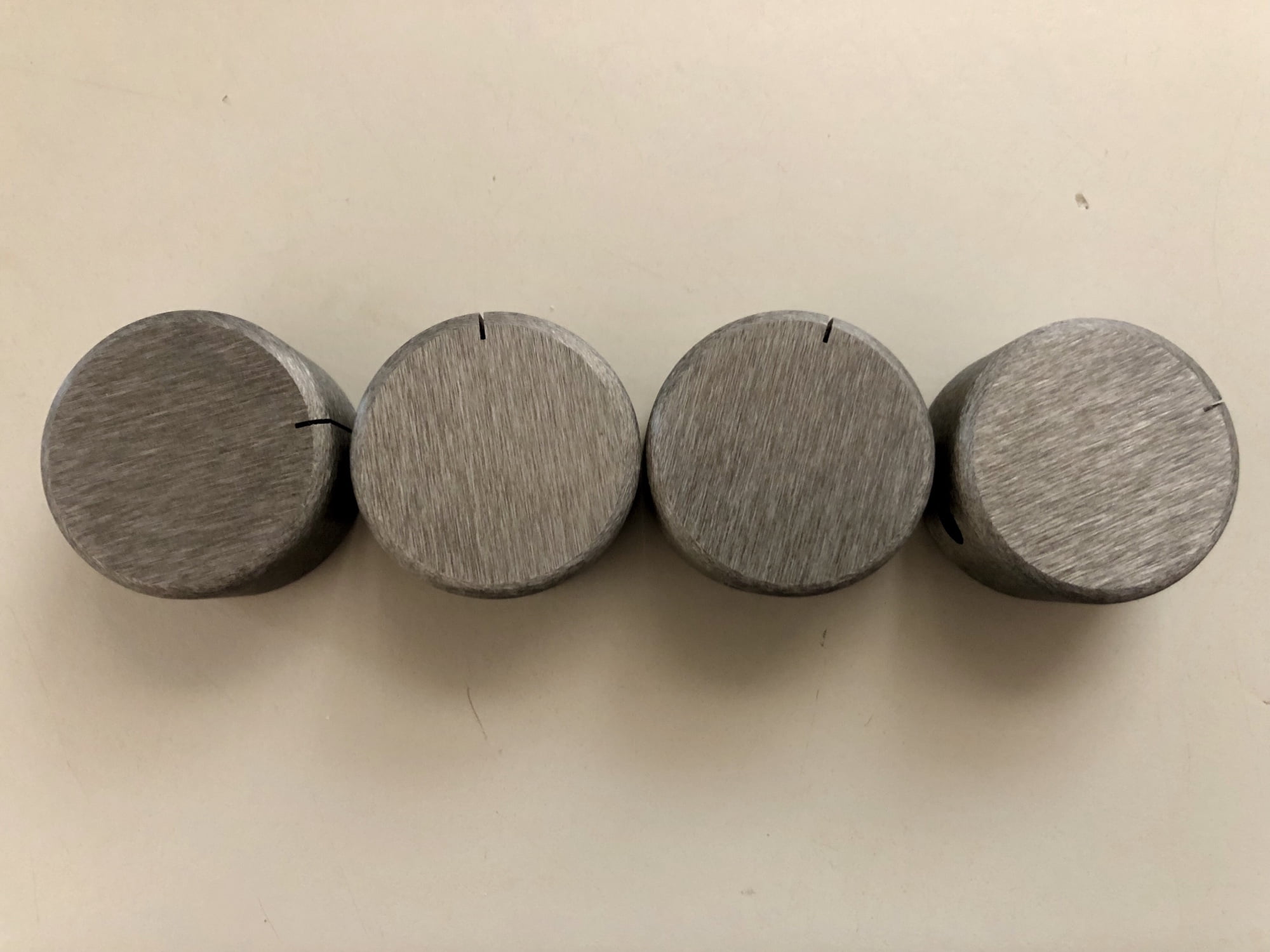
Attending to all the little details that make something really look and feel like it’s had proper service is part of the value add that I provide for my customers. In this case, that meant a full clean of all panels, fascia, knobs, cleaning and treatment of connectors and lubrication of all switches and controls.
Results
This repair and overhaul were critically important for this PAM-7. Without them, I suspect she might have been tossed out, or taken to a butcher.
Some folks struggle with the concept of periodically spending some money to have an expert look at beautiful equipment, like this. It’s fair to say the owner fell into this category. It’s a shame because I suspect he failed to appreciate the beauty and performance of this Krell PAM-7, or just how well worth it this work was. We live in a throw-away society, sadly.
This isn’t like taking a digital watch to a shopping mall store to get a new battery. It’s much more like taking a Rolex to a good jeweller for service. Remember, Krell doesn’t make anything like this anymore.
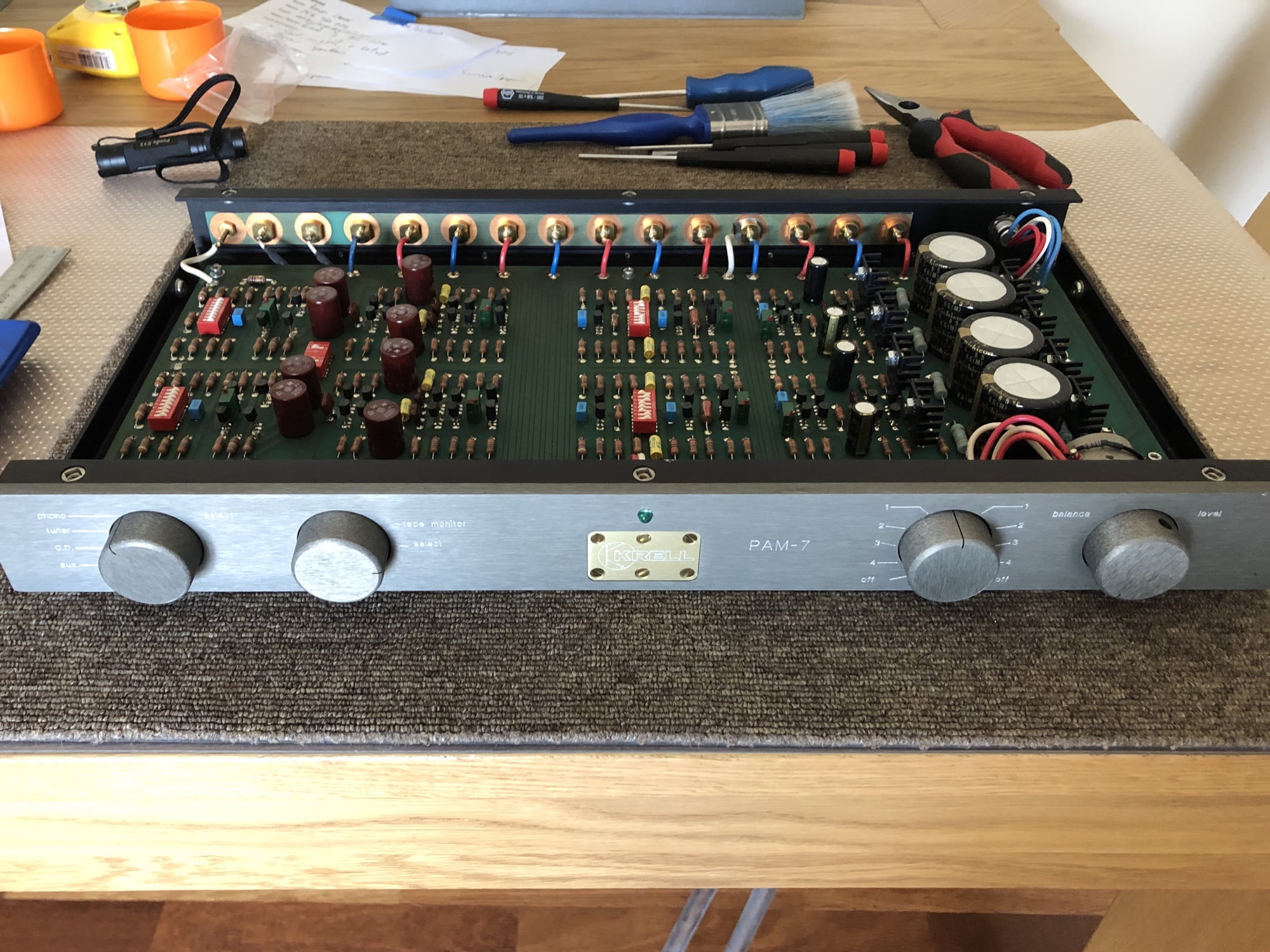
I think the results speak for themselves. The Krell PAM-7 now sounds better than ever. Her sonic behaviour is perfect and she sounds sublime, especially via that stunning, adjustable phono preamp. If only all hi-fi equipment were this beautifully constructed.
When I explained to her owner that to replace the PAM-7 with a modern ‘equivalent’ with similar sound quality and likely cheaper build one would need to spend well over $5000 AUD, I think it began to sink in.
For example, you could buy a lovely Bryston BP6 for $5500, but that’s not really in the PAM-7’s league. How about a Musical Fidelity M8 for $6999 – do you imagine that this might sound better? Looking at the M8’s internals, I can guarantee it won’t.
So what can we learn from all this? Hopefully, you can see that humans could build this stuff perfectly decades ago. Newer doesn’t mean better, and in fact, it often means the opposite. Most of all, I hope it shows that spending just a few hundred dollars to have your beautiful old equipment professionally serviced is some of the most sensible purchasing one can make.
If you would like me to look at any of your lovely vintage Krell equipment, you need only get in touch!
Krell PAM-7 Preamplifier
$1500 - $3000 AUD
Pros
- Stunning Krell build quality
- Gorgeous sonics
- Excellent servicability
- Superb value
- Outboard power supply
Cons
- No balanced inputs
Discover more from LiQUiD AUDiO
Subscribe to get the latest posts sent to your email.
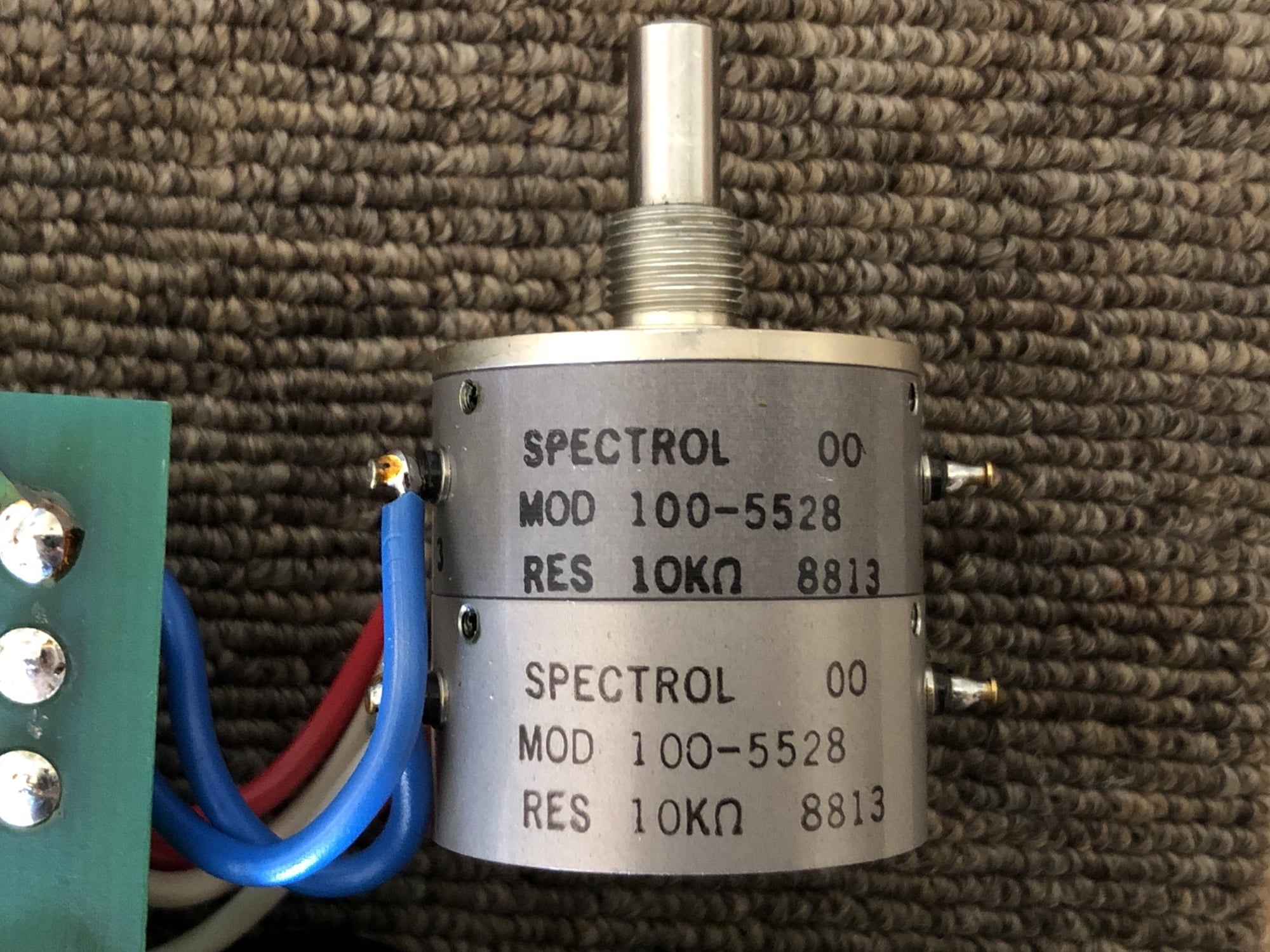
How did you service the Spectrol VC? I have one in my KBL and was thinking of replacing it with a Penny & Giles that was removed from a KRC that was updated to version HR.
Hi Robert, thanks for your query. I use various methods for servicing potentiometers, depending on the type, symptoms etc. I won’t go into the technical details here, but if you have one of these Spectrol potentiometers in your KBL and the pot is still performing well, I suggest leaving it. Penny & Giles make great parts too, but there’s lots of variation across manufacturer product ranges and this particular Spectrol series is superb. Retaining the factory-installed parts also helps maintain originality and value. There are of course various ways to improve the performance of this series of Krell equipment but I could write a long article on that. Overall, these are beautifully made, lovely sounding pieces of gear. Enjoy your KBL!
Thanks for the timely reply Mike. I recently sent my KBL pre back to Krell as requested by my friend Patrick (who you know too) for a check-up and power supply repair. I could have repaired the PS myself but Patrick (who has since retired) wanted to check it out personally to make sure the pre itself was not in need of repair. I’ve known Patrick for well over 20 years and he has helped me out many times over the course of my relationship with Krell gear and other matters so I trust his judgement. Patrick said the Spectrol was not performing to spec. Specifically it doesn’t shut the music off completely when turned down all the way. He said it was not a big deal and he would live with it as the Spectrol couldn’t be repaired. But a P&G would be a good replacement if I was so inclined. I have a P&G that Patrick sent me 21 years ago which was removed from a KRC that was upgraded to an HR. So that’s the story. Since you regard the Spectrol so highly, I will probably leave it in place. And also since you said you serviced the one in the PAM, I thought I might be able to do likewise. I just thought the P&G might be a better sounding model.
Take Care and thanks Mike.
Regards
Robert
Hi Robert, thanks for sharing this great story! Yes, Patrick is a Krell legend, I didn’t realise he had retired. This is potentially not great news for Krell, I’ll send him an email. It’s obviously tricky for me to comment without testing it, but if there is a channel imbalance as Patrick found and it bothers you, then change the pot by all means. In terms of manufacturers, I regard them both very highly. If we are comparing parts, the series of part is most important. I know what series the Spectrol part belongs to, but not your particular Penny & Giles, so I can’t comment about its performance and how it compares to the factory Spectrol part until I know that detail. Servicing the Spectrol part is an option, but failure to shut one channel off completely sounds more like an internal misalignment of the resistive elements. This can sometimes be corrected during service, by adjusting the alignment of the potentiometer elements within pots like the Spectrol 100 series, but this also gets technical and fiddly. It might be easiest to change the pot. You can always revert to the Spectrol if you are not happy. Let me know how you go.
Thanks again Mike. I sent you a more private email. Let me know if you don’t receive it.
Robt.
Just letting you know I haven’t received an email Robert. I’m actually on a break until January 14 so feel free to get in touch after that if you like. Mike
Thanks again Mike. I ascertained that pertinent information from perusing your illustrious website. I suppose you will receive the email when you return from your much deserved vacation. In the meantime Patrick reached out to the original designer of the KBL and supplied me with some pertinent info. But a second opinion is always welcome and desired from such a knowledgeable source.
Sincerely
Robt.
Thanks Mike. I have PAM5 I’ve left it on for years haven’t played much. Is it better to leave it on, turn it off and on from time to time, or keep it off if not using for long periods of time.
What’s the best way to turn it off and on, if I need to?
Thanks Mike.
Krell pams are the best, built with quality and love with pristine fidelity.
Scott
Hi Scott, I would always turn an amp or preamp off when it’s not in use and not needed for more than a few hours. It’s better for the environment and the reduced ‘on-time’ will prolong the life of the capacitors, in most cases. For gear without a power switch, just flick the switch on the wall socket, power board or regen as I do here @ Liquid Audio.
Hello, could you please hiver more détails regarding the nichicon kg gold?
The référence , voltage….?
Thank you
Regards
Hi Didier, thanks for your question. I generally don’t provide all the technical details in these articles, the idea is to showcase the work I do and encourage most people to take equipment to an expert for work. Having said that, if you have the unit apart, the component values will be readily apparent but I suggest only attempting this work if you have experience and access to quality soldering equipment, parts etc.
Hello, I read this article with interest. My preamp uses an almost-identical Spectrol volume control, which is presently having mechanical and electrical issues. I am qualified to service it but I do nott have experience specific to this particular make / model of control and I am wondering if you would be kind enough to comment on Spectrol 100 servicing / repair and / or point me towards relevant online sources. I did search online but I was not able to find anything of interest. The Spectrol is a beautiful, well-made control which I would rather restore than replace, and I would be very appreciative of any advice you might provide prior to disassembling it and starting work on it. Feel free to email me directly. Thank you in advance!
Hi Frederic, thank you for your questions and glad you enjoyed the article! Details are well beyond the scope of a reply here or email, nor do I generally share them anyway, but careful disassembly, cleaning and lubrication with the methods/tools you are likely familiar with should yield positive results. I do not know of any online resources on this topic but I am sure others have also delved into these beautiful controls and may have photos etc. These pots are extremely reliable, so failure is rare. Just be sure that the control really is problematic before even thinking about going inside.
Hi Mike, thank you for your reply.
The pot does have a problem. The shaft can be pushed in and out a few mm, and when the shaft is pushed in (towards the inside of the preamp, if you will), the pot no longer “catches” the min and max stops. In other words, it is able to rotate continuously in either direction. I can’t imagine that behavior is as designed, and it suggests a broken or missing thrust stop.
When the shaft is pulled out, the pot behaves normally in the mechanical sense (stops at the stops), and measures relatively consistently electrically.
As far as previous work and photos, I googled it pretty extensively and these Spectrols appear to be quite rare by now. I was not able to find a period-correct datasheet either, and the closest I found to someone having actually fixed one was your excellent article 🙂
I feel it’s always best to gather as much knowledge in advance as possible, but it won’t be the first time I wing it I’m afraid. Wish me luck!
Hi Frederic, I agree, there should be little to no end-float so it seems something in there is broken. I suggest you do exactly as planned and carefully disassemble the pot to see what has broken and if it can be repaired. My feeling is that it can be and that you will succeed! Good luck, but I suspect you will be OK!
And many thanks for responding to my emails, it is much appreciated!
My pleasure!
Very nice repair especially those old blue L.C.R. caps with the Nichicon KG caps.
Although build quality may be good I’ve had always lots of trouble with these early Krell preamp. Dried out and cracked Roederstein and ERI caps. Even worse leaking Sprague caps. Moreover the external powersupply’s became always freaking hot.
I found their sound inferior to Mark Levinson and Jeff Rowland.
I’ve had the Krell PAM 1, PAM 7, KPS-7B, KBL, KRS-2 and KRC.
The only Krell preamp I found satisfactory was the Krell KRS-2.
I substituted the malfunctioning wire wound Spectrol Series 100 pot with a plastic conductive Penny + Giles RF15 rotary fader. Krell substituted the Spectrol in models after the KRS-2 with Penny + Giles RF15’s. I would prefer any Levinson preamp of that era over the Krells apart from the budget ML-12.
That’s just my opinion not a final verdict.
Thanks Robert, glad you enjoyed this one! I’m less fond of Levinson and prefer these older Krell preamps in most cases, but by mainstream hi-fi standards, all of these pieces are superb, and it’s great to get feedback from someone experienced with these classic pieces. The RF15 potentiometers are also superb. Most of my readers won’t be familiar with Penny and Giles or these pots, as they are not part of the consumer mainstream, but for those reading, these precision potentiometers cost around $500 USD each!
A couple comments if I may:
Penny & Giles was acquired by Curtiss-Wright in 2002 and has long since stopped making precision audio potentiometers. Krell pres are space-constrained so typically there is no room for resistor-ladder attenuators.
It is not uncommon to see some people replacing original volume controls in vintage Krells with Alps Blue Velvets. This, of course, is intolerable heresy.
I have used TKD 2-CP2511 pots to good effect. They sound and feel agreat, and while they can be had for around $100 I’m only aware of Michael Percy stocking them here in the US. But they’re more widely available in Europe and, I’m sure, Australia.
I’m going to have to side with Mike in the Krell vs Mark Levinson debate. Both brands used to have amazing build quality but Krell was sonically superior. We are of course talking about products built in the 80s and 90s before both brands ceased being relevant.
Robert, if the external power supply of your Krell pre “became always freaking hot” I would imagine that your pre’s gain stages weren’t too far behind, possibly caused by excessive bias. The external power supplies are robust, and since a healthy pre probably shouldn’t draw much more than 20-25W the PSU should feel warm to the touch, but definitely not hot.
Thanks for your observations, Frederic and agreed. The Alps Blue Velvet thing is indeed intolerable in a case like this; your use of TKD conductive plastic replacements is a sensible choice, I think. The external power supplies of these and other Krells do run fairly warm. In my experience, they can dissipate up to around 50 Watts, but this is normal for a class A preamplifier running healthy bias. The bonus is that this heat is kept away from the main chassis, extending its service life. Despite the heat dissipation, I’ve found these power supplies to be robust, needing refresh only every 30 years or so, which is ultra-reliable by modern consumer hi-fi standards!
Mike, my KSP-7B has been on 24/7 for the past 6 months and its hottest components have always stayed under 47-48C.
I biased it at 50 mA through a trial and error process. That seemed to yield a reasonable balance between sound quality and heat generation. The 21VDC rails are drawing just 500 mA each, so 22W.
I do wish I knew the factory bias. I’m really curious how close / far I got 🙂
Sounds like it’s running comfortably!
Here’s an interesting article about the KSP power supply. https://www.diyaudio.com/community/threads/please-wake-me-up-from-this-pcb-nightmare-krell-ksp-7b-power-supply.425165/ It does mention bias. And yours is pretty much correct but will run hot.