
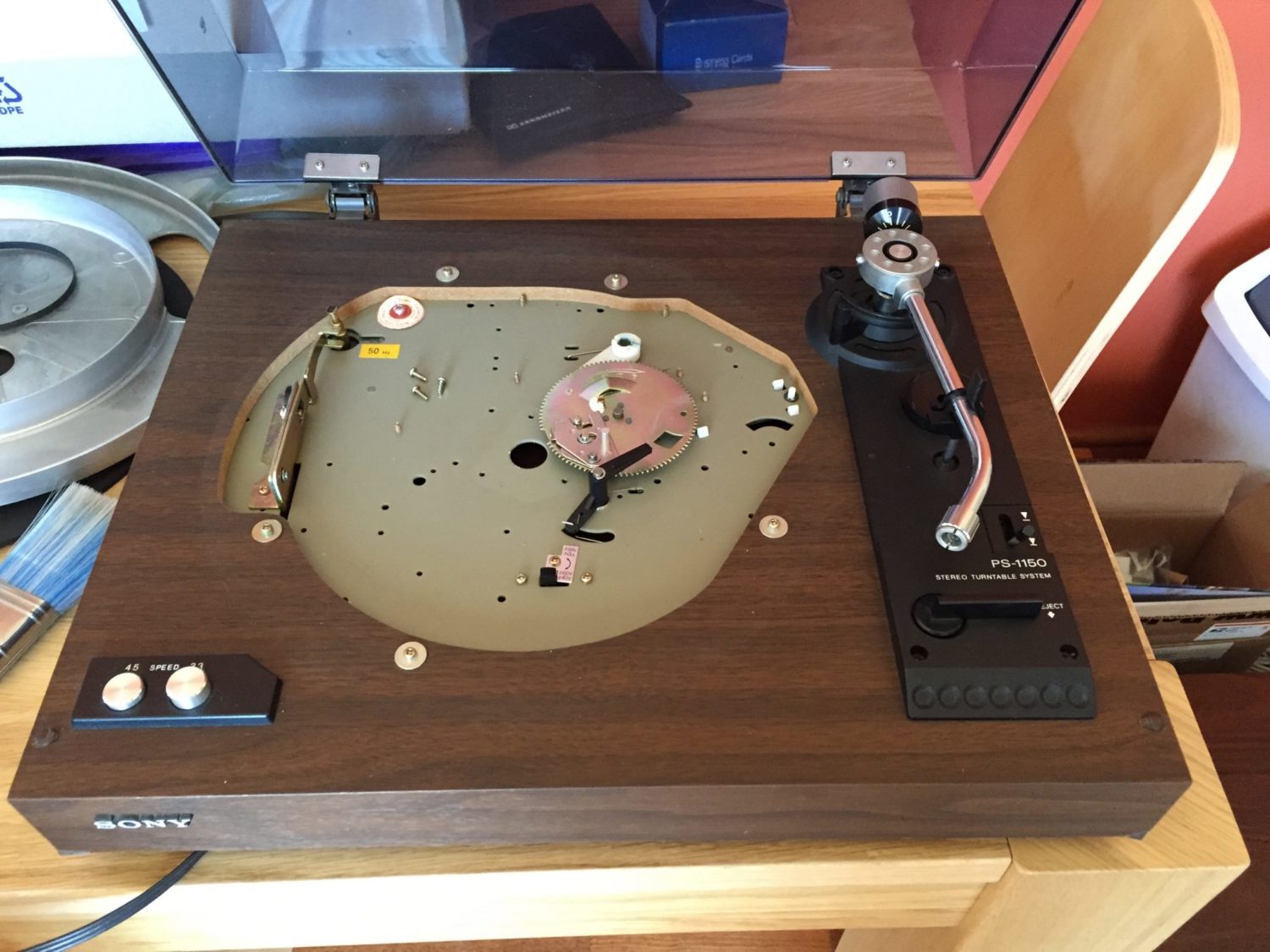
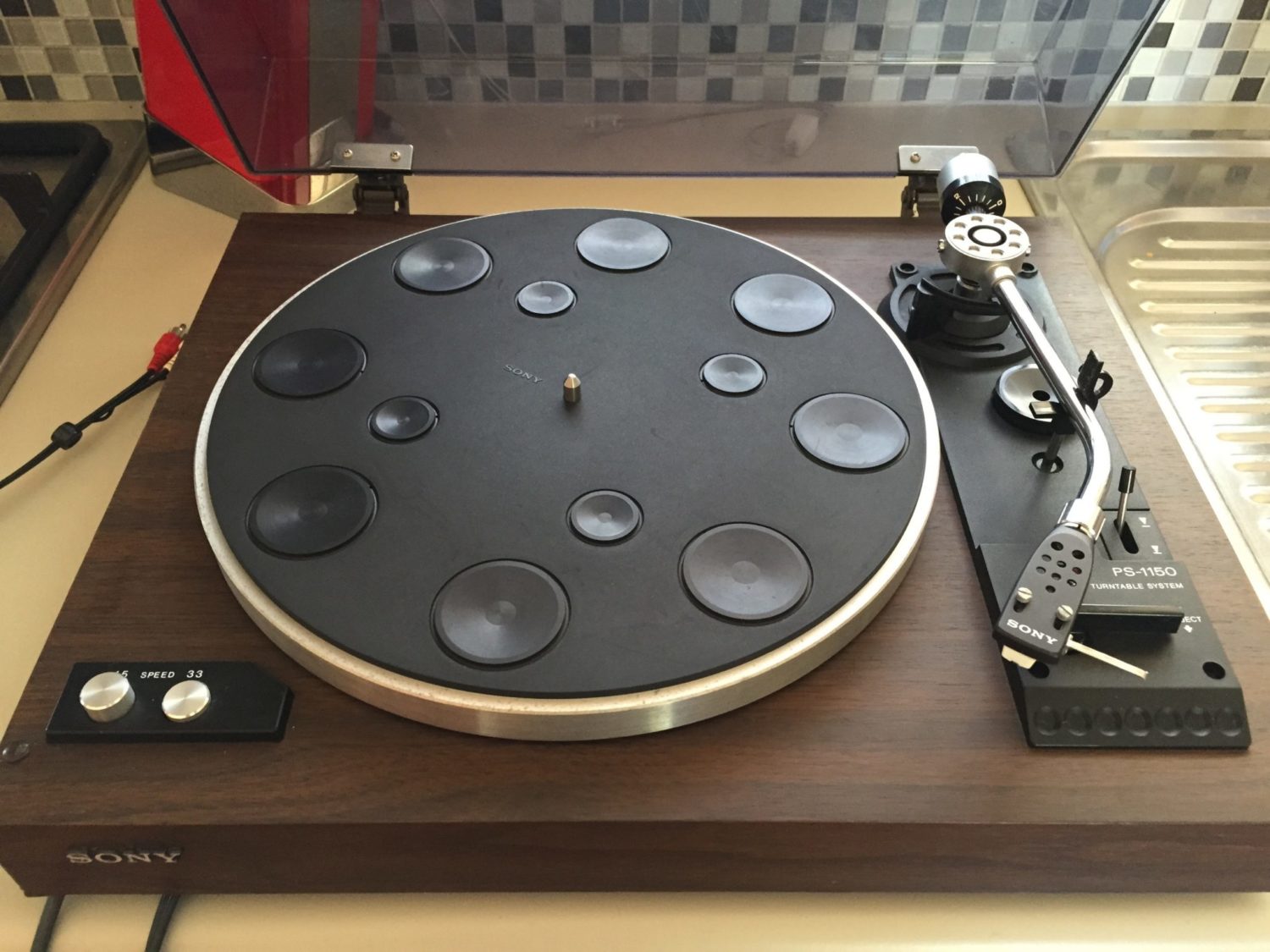
I recently serviced a Sony PS-1150 belt drive turntable and want to discuss why I service the spindle bearings on turntables.
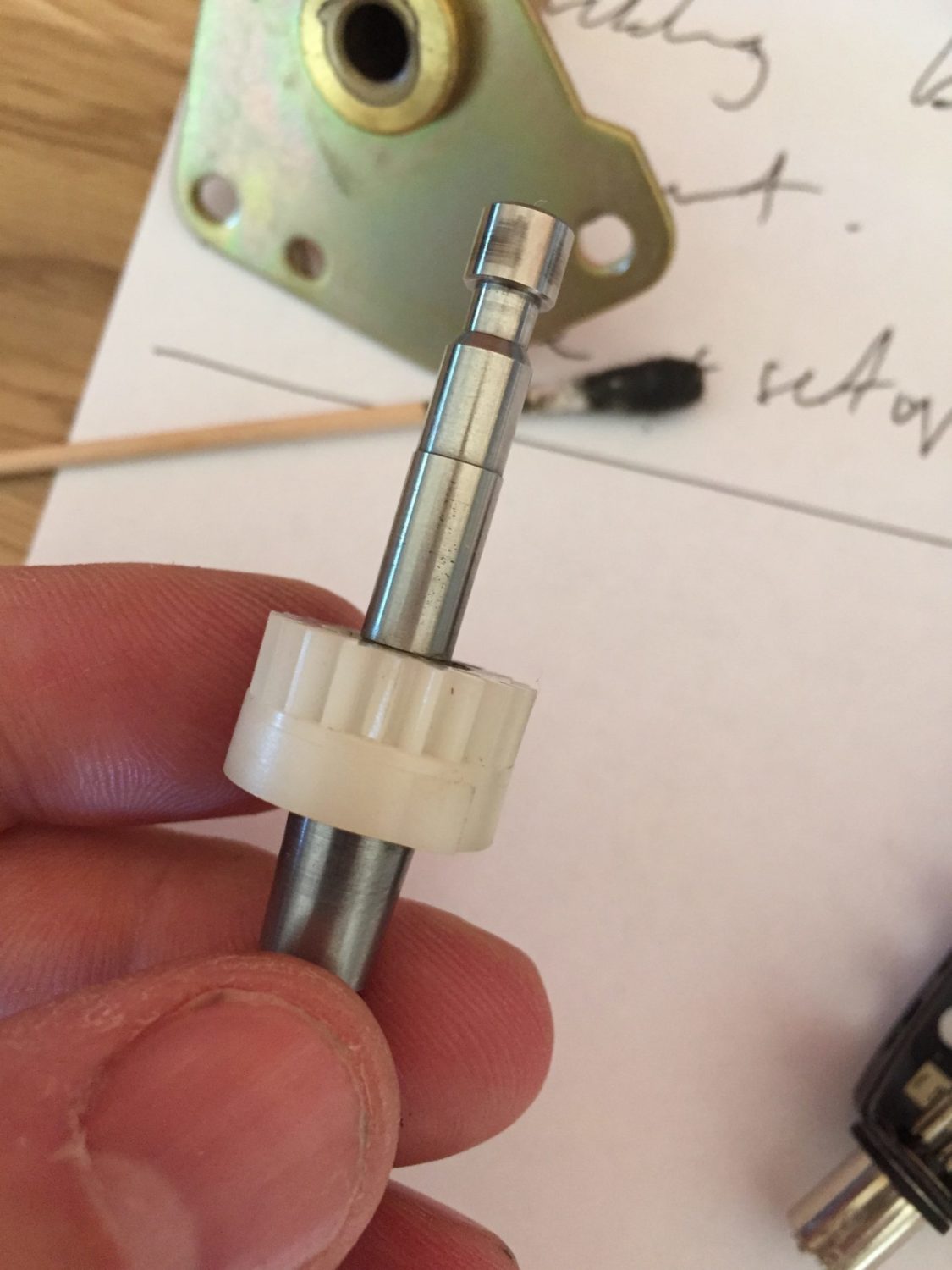
The spindle bearing is the central bearing about which the platter turns, rotating the record. This bearing can be anything from a basic narrow steel spindle, to an elaborate bearing with massive stainless steel shaft and ball bearing at the top or bottom. Very often the housing itself is made of brass or bronze.
The lubrication used ranges from grease where clearances are high, to thinner oil in tight-fitting bearings. Really close-tolerance bearings such as those found in my Kenwood KD-600 are so precisely machines that the platter takes all night to settle back down to its resting point as the air is expelled very slowly from the bearing assembly!
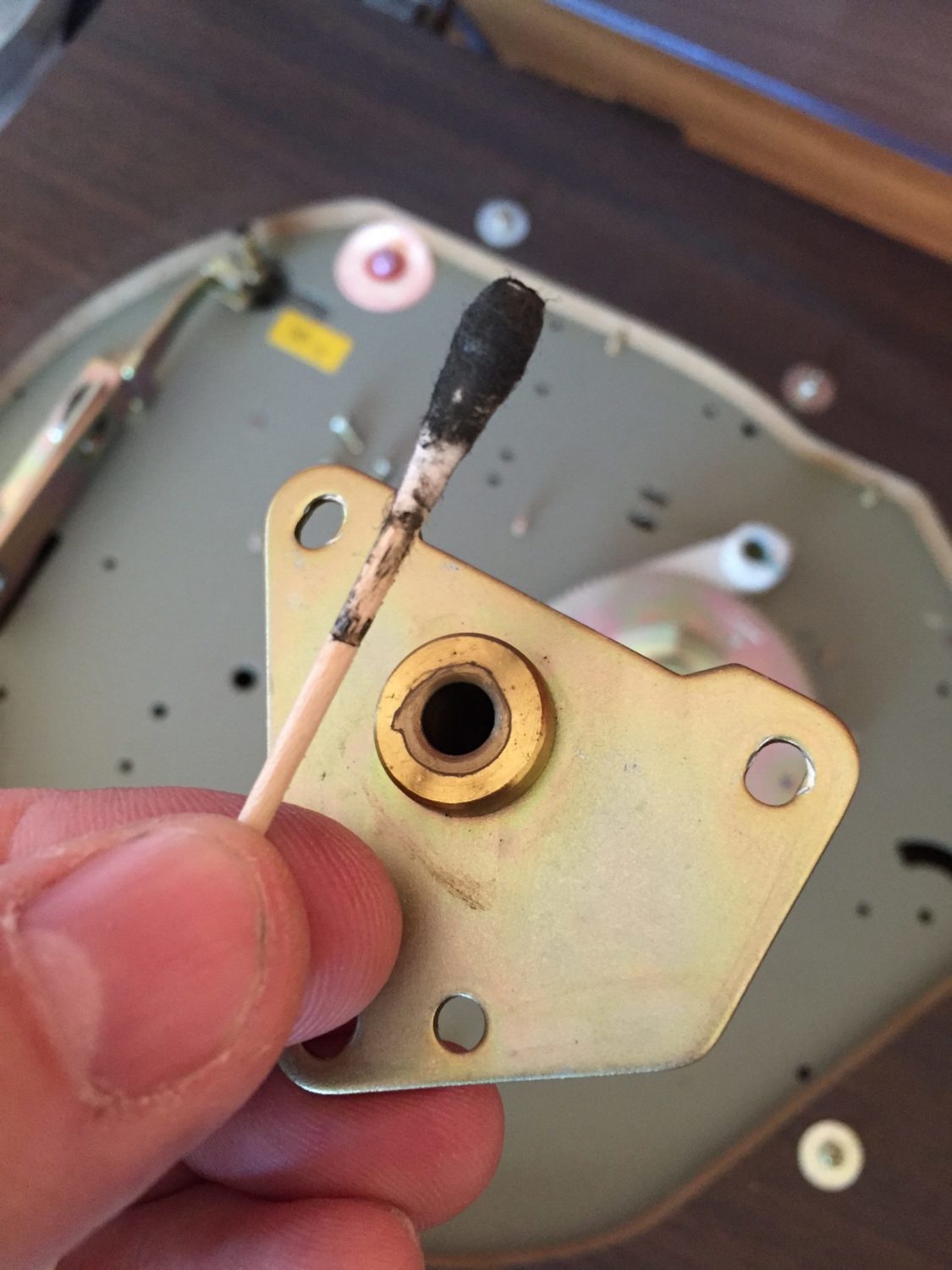
Back to the Sony PS-1150. The bearing was desperately in need of service, as it is with most turntables I service. The lubricant had turned to a dirty, black sludge and there was not much of it left. This causes high levels of rumble and increases wow and flutter as friction in the bearing fluctuates as the spindle turns. This black sludge must be completely removed and in its place a suitable lubricant must then be added. In this case I used a thicker weight synthetic oil, but not grease as may have been originally used.
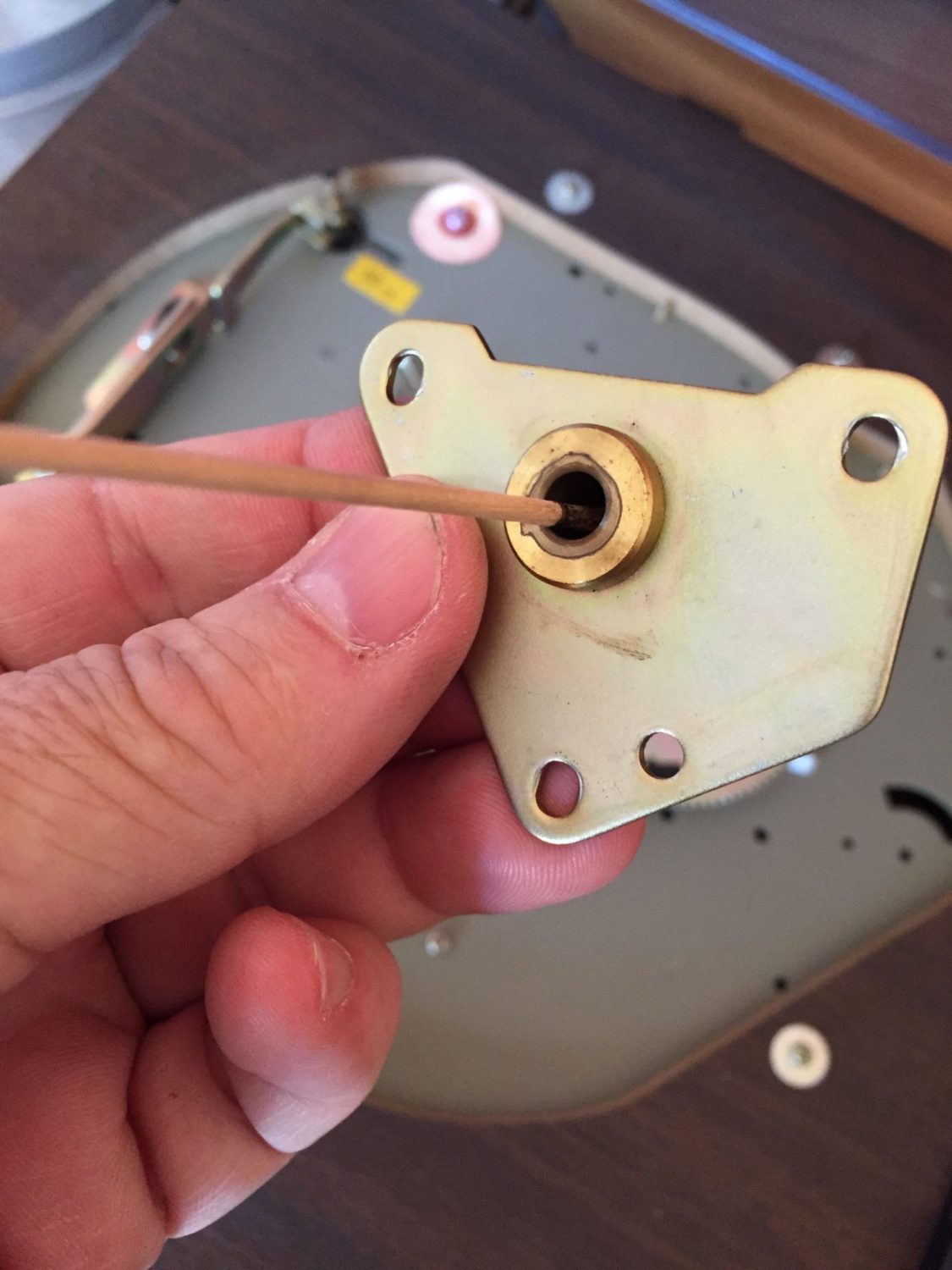
For this deck I chose to remove the bearing assembly as this made it easier to work on. The images show me cleaning out the old grease and show some nice detail in the bearing and spindle. This deck now plays a record very nicely and with less noise than before.
Don’t forget that if you want me to perform this type of service on your deck, just fill out the contact form.
Till the next post, play those records!
Discover more from LiQUiD AUDiO
Subscribe to get the latest posts sent to your email.
Thanks
Excelente trabajo! Compartimos la misma pasión, no hay como la satisfacción de recuperar esas joyas del pasado!
Thank you, Jorge!
Hello,
I’m matteo From Italy. i recently bought a Sony PS-1150 ad tried to restore it also seeing your article, thank you! I still have some problems with the turning speed: after verification with a stroboscopic plate it seem tunt at 33 1/3 SLOW. With an app I mesured 32,8 RPM. I tried to change the belt also but I can’t find the right misure. What indicated in the web is too short and it force the motor. Can you help me in order to understand the right belt? P.S. I already cleaneda all the mechanics included the bearing asselmby…
Hi Matteo, thanks for your question, and I’m glad you are enjoying the articles! Belt dimensions play a critical part in running speed and are an often-overlooked/misunderstood aspect of turntable service. I can’t see what’s wrong without your turntable in front of me, but if the belt is too loose, too tight, too thick, too thin, too wide or too narrow, the running speed will be incorrect. Other factors affect running speed too, of course.
Some (non-AC-synchronous) belt-drive turntables have motor speed adjustments to allow fine-tuning to accommodate belt variations. Failing that, you will need to substitute a belt of slightly different dimensions, slightly thicker in this case, whilst keeping other dimensions the same. Make sure the belt is not a tight fit, as this will cause running problems and excessive wear.
This is a great illustration of the value of a good turntable specialist for work like this. All the little things that a specialist brings to a job like this make the difference between a deck that just runs and one that absolutely sings. Stick at this, though; it sounds like you are nearly there!